• (216) 767-6323
  • office@juststumpit.com
  • OHIO

Why are insects living in tree stumps dangerous?

Five Interesting Facts About Stump‑Dwelling Insects.

1. Insects in the stump often arrive within weeks of a tree being cut, because freshly dead wood releases moisture and sugars that attract beetles, ants, woodlice, and termites looking for a new home.
2. What insects eat tree stumps varies by species— termites consume cellulose and excavate galleries, woodlice eat wet wood and bark, and wood‑boring beetles feed on inner bark and sapwood. Each group uses the stump differently, but all contribute to structural breakdown.
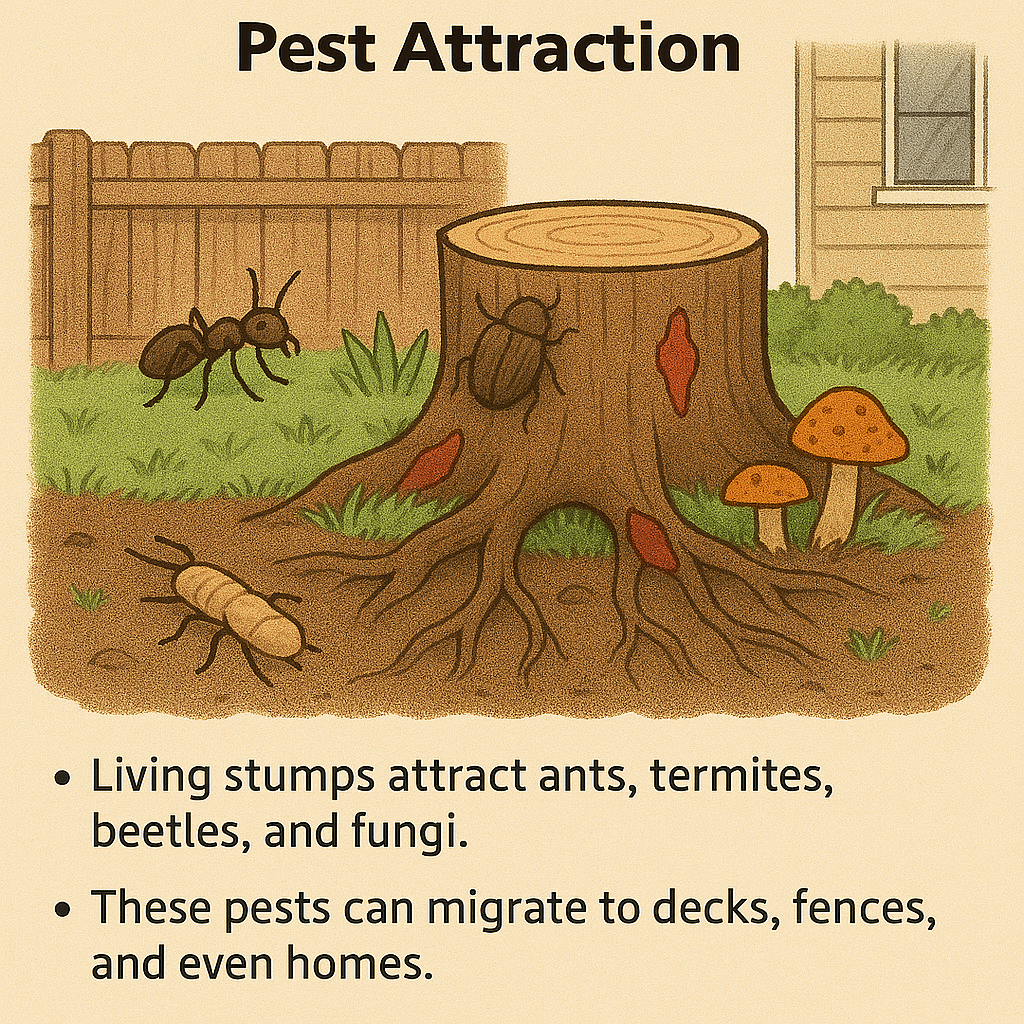
Pest Attraction. Living stumps attract ants, termites, beetles, and fungi. - These pests can migrate to decks, fences, and even homes.
3. What insects live in tree stumps often includes species that later invade healthy trees, such as bark beetles, flatheaded borers, carpenter ants, and subterranean termites. Once their population grows inside the stump, they spread outward into nearby living wood.
4. Insects in the stump can introduce fungi and pathogens into your landscape, because many stump‑dwelling beetles carry spores on their bodies. This makes tree stump insects a hidden source of disease pressure for surrounding trees.
5. Tree stump insects create a mini food chain in your yard, often attracting rodents and spiders that move in to feast on the abundant pests living inside the decaying wood.

Insects that colonize rotting stumps can become dangerous to nearby living trees because they spread into healthy wood and roots.

The most problematic groups are bark beetles, wood borers, carpenter ants, and termites.
Key Insects Found in Stumps That Threaten Trees.

Why Stumps Are Problematic.

Management Recommendations.

Rotting stumps are not just fungal reservoirs—they also harbor insect pests like bark beetles, borers, carpenter ants, and termites that can spread into living trees, causing decline and mortality. Removing or treating stumps is a critical step in protecting forest and landscape health.

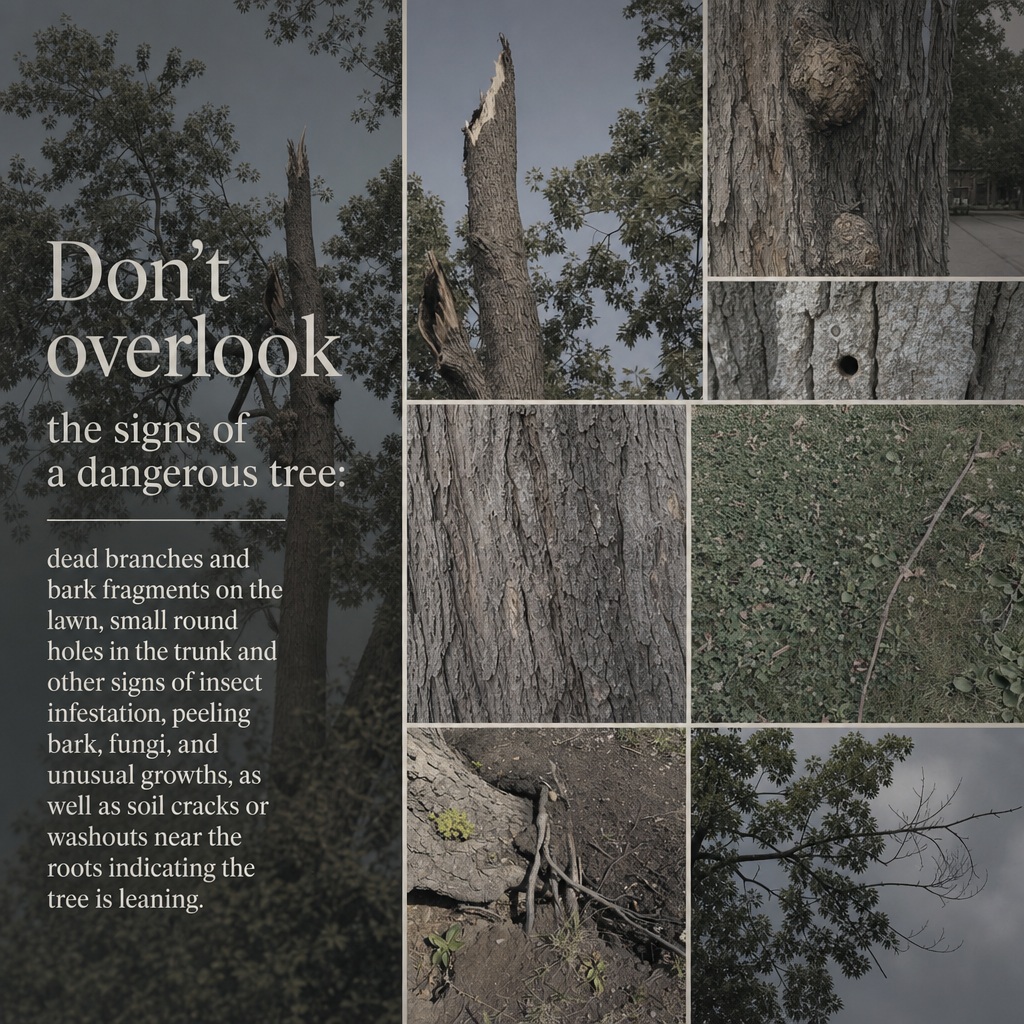
Dead branches dropping unexpectedly Peeling or missing bark Mushrooms or fungi growing on the trunk or roots Sticky honeydew or black sooty mold Small round holes from insect feeding Cracked or shifting soil around the base A new lean that wasn’t there before Any of these can indicate a dangerous tree, and several together often mean the tree is at risk of falling.
0 0 votes
Article Rating
Subscribe
Notify of
guest

0 Comments
Oldest
Newest Most Voted
Translate »
0
Would love your thoughts, please comment.x
()
x