Spring Flooding Problems? Meet the Plant‑Powered Solution.
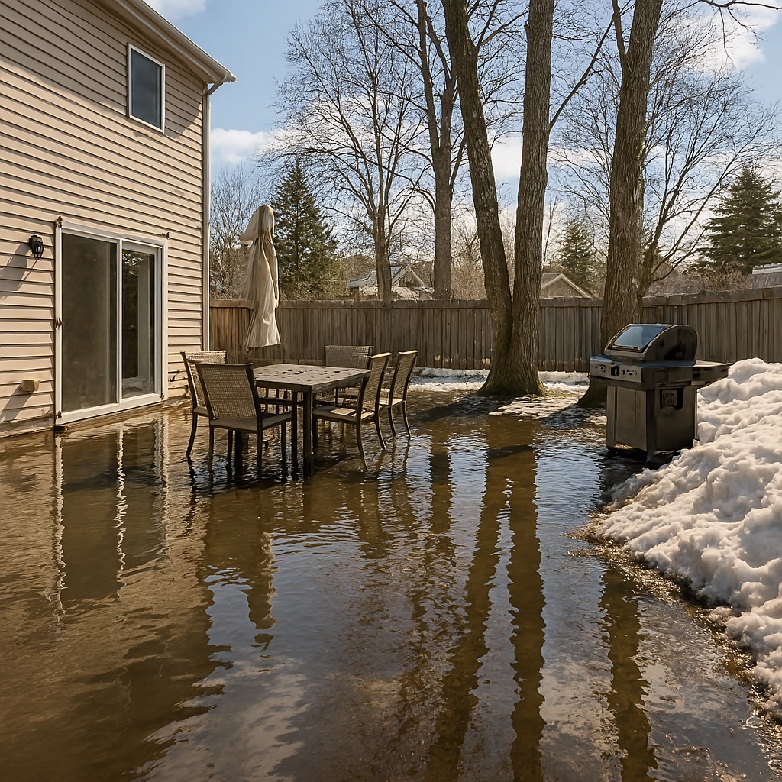
Spring flooding on residential lots usually comes from a mix of soil conditions, weather patterns, and changes in how water moves across the property. Understanding these causes helps homeowners see what’s happening beneath the surface and what can be improved.

Seasonal Weather Patterns That Overwhelm the Ground Spring brings a combination of rapid snowmelt and frequent rainstorms. When these arrive back to back, the soil becomes saturated before it has a chance to drain.
Rapid snowmelt sends large volumes of water into the soil all at once.
Cold, compacted spring soil absorbs water slowly, causing runoff to pool.
Heavy spring rains add more water than the ground can handle.
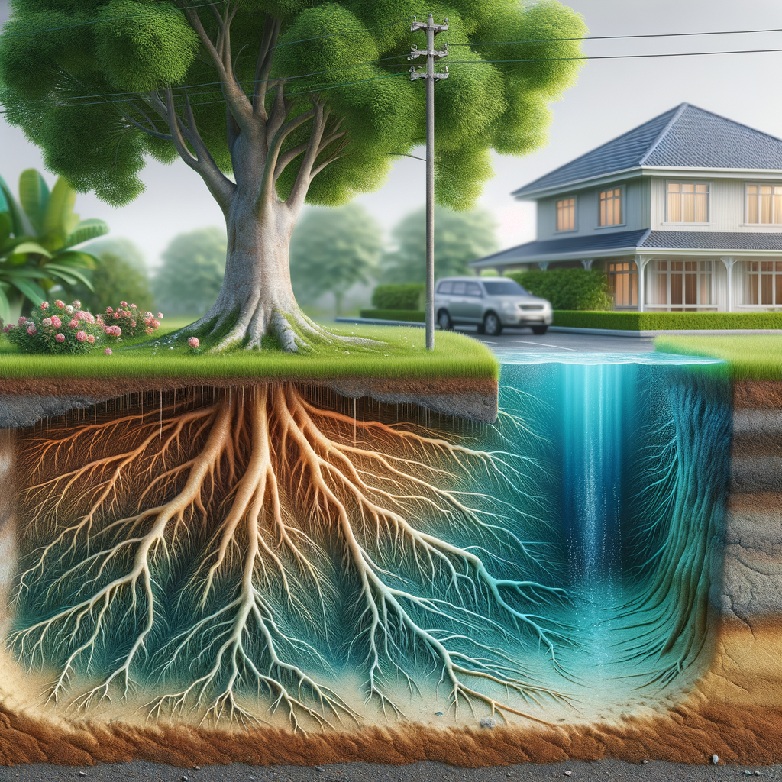
- Soil Structure and Drainage Limitations Many Ohio yards—especially in Parma and surrounding areas—sit on heavy clay soil. Clay holds water tightly, making drainage slow and inconsistent.
- Clay soil becomes sticky and dense, preventing water from moving downward.
- Compaction from winter freeze thaw cycles reduces pore space even further.
- Low organic matter means fewer channels for water to infiltrate.
- When the soil can’t absorb water, it spreads across the surface and collects in low spots.
Yard Grading and Low Areas Even small imperfections in yard slope can create seasonal flooding.
- Negative grading directs water toward the house instead of away from it.
- Settled soil around old stumps, utility trenches, or previous landscaping creates dips that trap water.
- Hardscapes without drainage—like patios, walkways, or driveways—can redirect water into the lawn.
Over time, these small grade issues become major contributors to spring pooling.
High Groundwater Levels. Spring is the time when groundwater naturally rises.
Snowmelt and rain recharge the water table, pushing it closer to the surface.
Low lying neighborhoods or properties near creeks, wetlands, or storm drains feel this most.
Saturated groundwater prevents surface water from draining downward.
When the water table is high, even well graded yards can flood.
Neighborhood and Infrastructure Factors. Sometimes the cause isn’t on your property at all.
Overloaded storm drains back water into yards during heavy rain.
Blocked roadside ditches slow the flow of runoff.
New construction nearby changes how water moves across the landscape.
A single new driveway or regraded lot can redirect water toward your property.

What This Means for Homeowners
Spring flooding is rarely caused by just one factor. It’s usually a combination of saturated soil, poor drainage, and seasonal weather. The good news is that many of these issues can be improved with grading, soil amendments, biodrainage plantings.
Biodrainage offers a natural, long term way to manage the excess water that causes spring flooding and damp basements. By using living plants—especially deep rooted, high water use trees and shrubs—you can redirect moisture, stabilize the soil, and reduce the pressure that spring moisture puts on your home.
Manager
0