Mold in the Basement: A Warning Sign of High Humidity — and How Biodrainage Helps
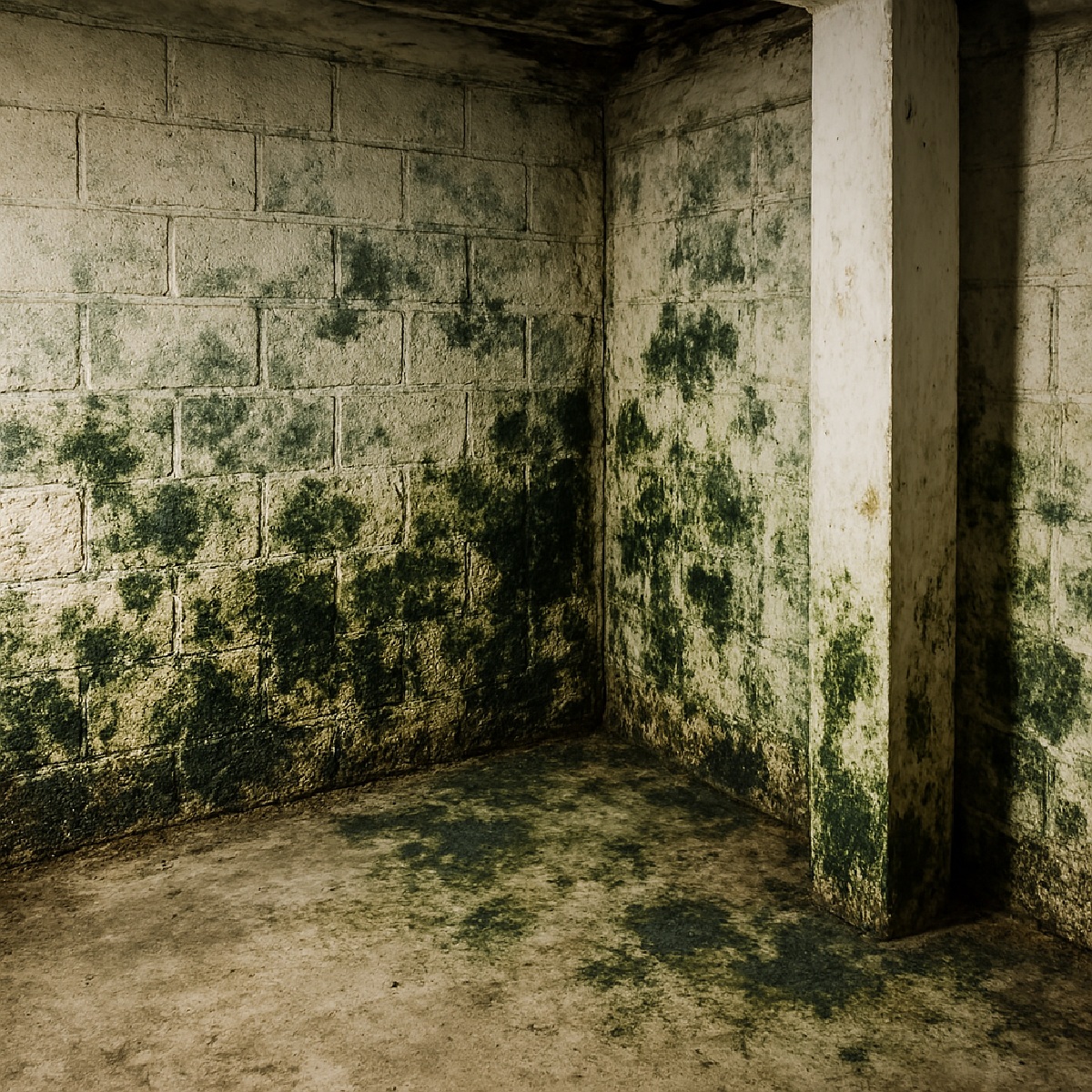
Basement mold doesn’t appear out of nowhere. It’s almost always a symptom of a bigger problem: excess moisture in the soil around your home. When the ground stays wet for long periods—especially in spring—humidity rises inside the basement, creating the perfect environment for mold to grow.
Understanding why this happens is the first step toward fixing it. And one of the most effective long term solutions is surprisingly natural: biodrainage.
Why Mold Shows Up in the Basement?
Mold thrives in damp, humid environments. When you see it in the basement, it’s usually because moisture is entering the home in one of three ways:
1. Wet Soil Pressing Against the Foundation
After heavy rain, snowmelt, or a high water spring, the soil around your home becomes saturated.
- Saturated soil holds moisture against the foundation walls.
- That moisture slowly seeps inward.
- Humidity rises, and mold follows.
2. Hydrostatic Pressure
When the ground is oversaturated, water doesn’t just sit there—it pushes.
This pressure forces moisture through tiny cracks, joints, and pores in the concrete.
3. Poor Drainage Around the Yard
Low spots, compacted clay soil, and old tree root systems can trap water.
If the yard stays wet, the basement stays humid.
Mold is simply the messenger. The real issue is too much water in the soil.
The Hidden Link: Soil Moisture → Basement Humidity.
Basements are naturally cooler than the rest of the home. When warm, moist air meets cool surfaces, condensation forms.
Add in damp foundation walls, and you get a perfect storm:
– High humidity
– Musty odors
– Mold on walls, joists, and stored items
If the soil outside never dries, the basement inside never does either.
How Biodrainage Fixes the Problem at the Source?
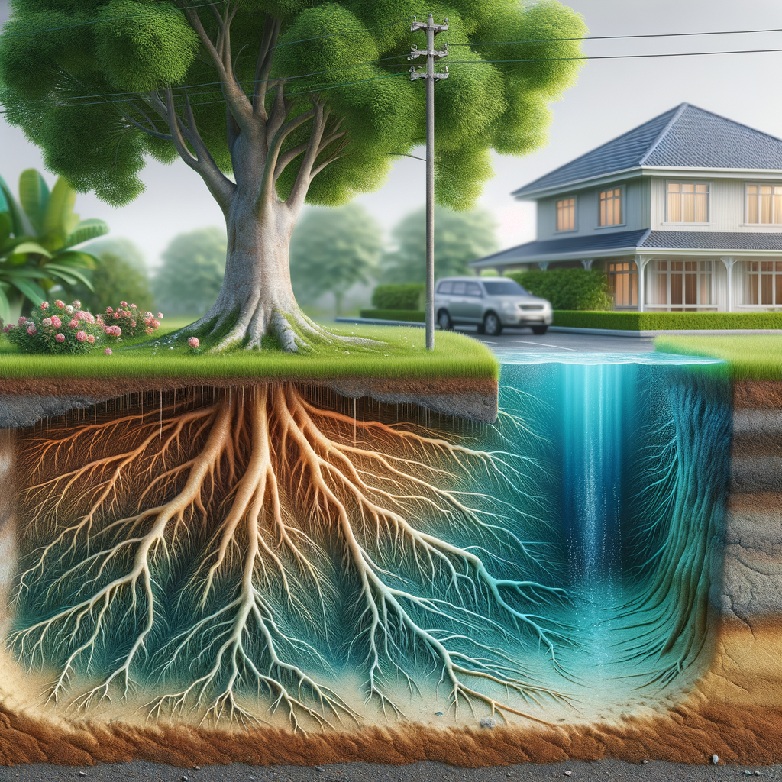
Instead of relying only on mechanical systems like sump pumps or French drains, biodrainage uses living plants—especially deep rooted, high water use trees and shrubs—to remove excess moisture from the soil.
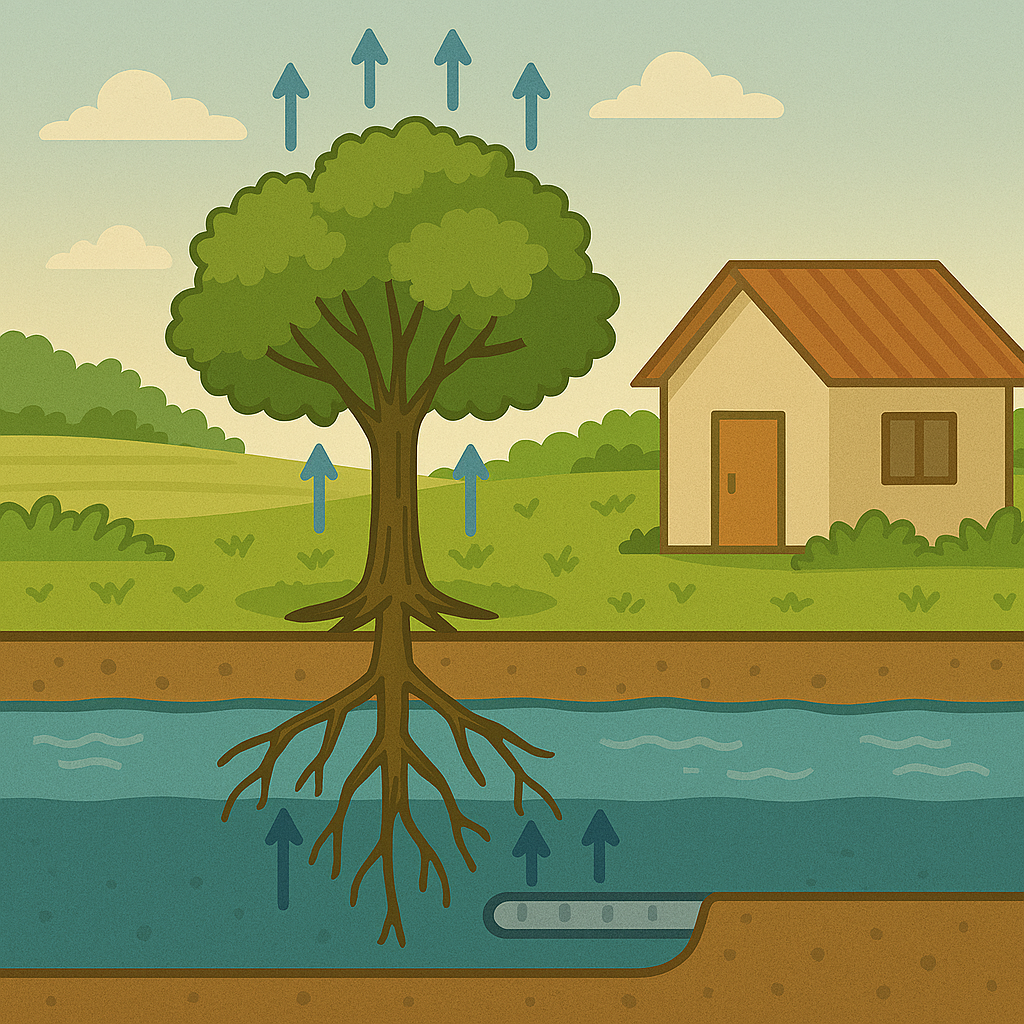
These plants act like natural pumps.
How Biodrainage Works.
– Deep roots pull water from the soil and release it into the air through evapotranspiration.
– Root systems break up compacted soil, improving infiltration.
– Moisture levels drop, reducing pressure on the foundation.
– The yard dries faster, even after heavy spring rains.
Where traditional drainage moves water from one place to another, biodrainage reduces the total amount of water in the ground.
Why Biodrainage Helps Prevent Basement Mold?
When the soil around your home stays drier, everything changes:
1. Lower Humidity Inside the Basement.
Less moisture in the soil means less moisture entering the home.
2. Reduced Hydrostatic Pressure.
Dryer soil = less force pushing water through the foundation.
3. Fewer Damp Spots and Musty Odors.
As the foundation dries, the basement environment becomes less mold friendly.
4. Long Term Stability
As biodrainage plants mature, their water use increases—making the system more effective over time.
Where Biodrainage Works Best?
Biodrainage is especially helpful in areas with:
- Persistent spring flooding
- Clay-heavy soil
- Low spots that collect water
- Former tree locations with decomposing roots
- Water flowing in from neighboring yards
- Damp basements every spring
If your basement smells musty every year, the soil outside is sending you a message.
A Natural, Long-Term Solution.
Mold in the basement is a sign—not just of indoor humidity, but of outdoor moisture problems. Biodrainage addresses the issue at its source by drying the soil naturally and reducing the moisture load on your home.
It’s environmentally friendly, low maintenance, and becomes more effective as the plants grow. Combined with good grading, gutters, and sump systems, biodrainage creates a powerful, long term defense against basement humidity and mold.
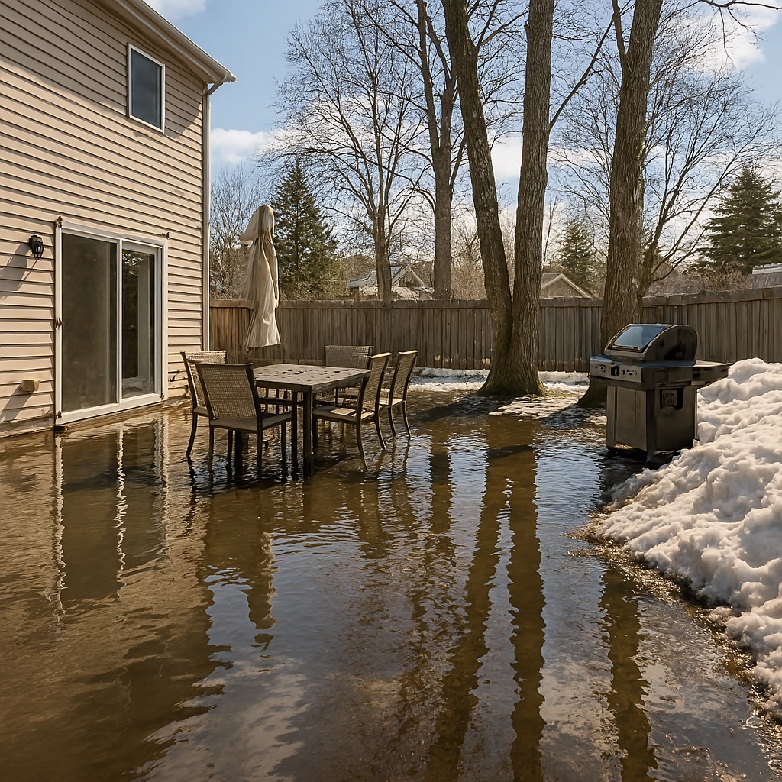
Something doesn't add up. There are trees on my plot, yet it's still damp.
That’s what someone reading this post might think.
Why Your Trees Aren’t Drying Out the Yard?
If your yard stays soggy even though you “have plenty of trees,” the issue usually isn’t the amount of trees — it’s the effectiveness of them.
Many older or ornamental trees simply don’t drink enough water to make a difference. As trees age, their roots weaken, their canopy thins, and their water use drops. Some species barely pull moisture at all, even when the soil is saturated. And if the wet area is larger than the tree’s root zone, the water just sits.
That’s why many Northeast Ohio yards stay soft, muddy, or mushroom‑prone despite having trees on the property.
The fix: Remove inefficient, declining, or poorly placed trees and replace them with younger, high‑water‑use species that actually help drain the soil.
If you’re dealing with standing water, soft ground, or constant moisture issues, we can remove the old tree and stump so your yard can finally start drying out.
📞 Contact us to remove inefficient trees and improve your yard’s drainage.
 That’s what someone reading this post might think.