• (216) 532-9138
  • office@juststumpit.com
  • OHIO

Designing an Effective Biodrainage System
3. Space Plants Generously Crowded roots trap moisture. Give each plant enough room to breathe so water can move through the soil instead of pooling around stems.
Which Trees in Cleveland Evaporate the Most Water?

1. Plant in the wettest zones

Low spots, swales, and areas where water naturally collects.
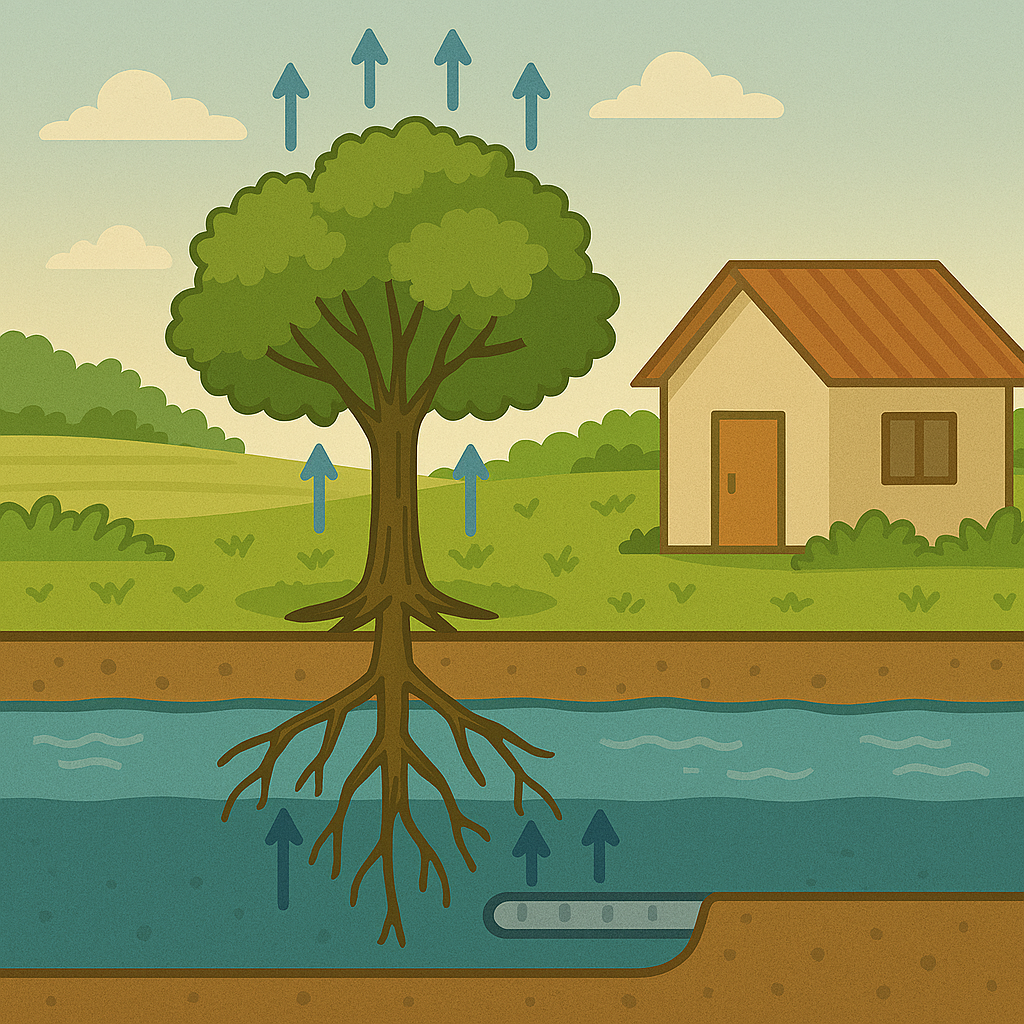
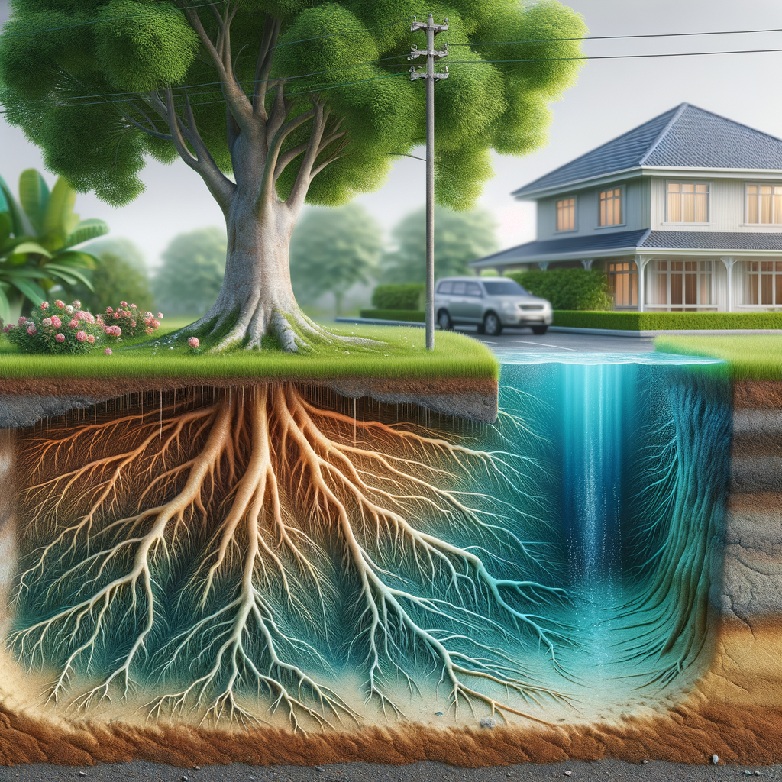
Trees are unmatched in their ability to move water. A single mature, high‑water‑use tree can evaporate **tens of gallons of water a day** through its leaves. No pump, pipe, or drain works as quietly or as continuously. Their deep roots pull moisture from saturated soil, and their broad canopies release it back into the air — turning excess groundwater into clean vapor. This natural process is why biodrainage succeeds where traditional drainage systems often fall short.

2. Use clusters, not single specimens

Groups of trees and shrubs create a stronger cumulative effect.
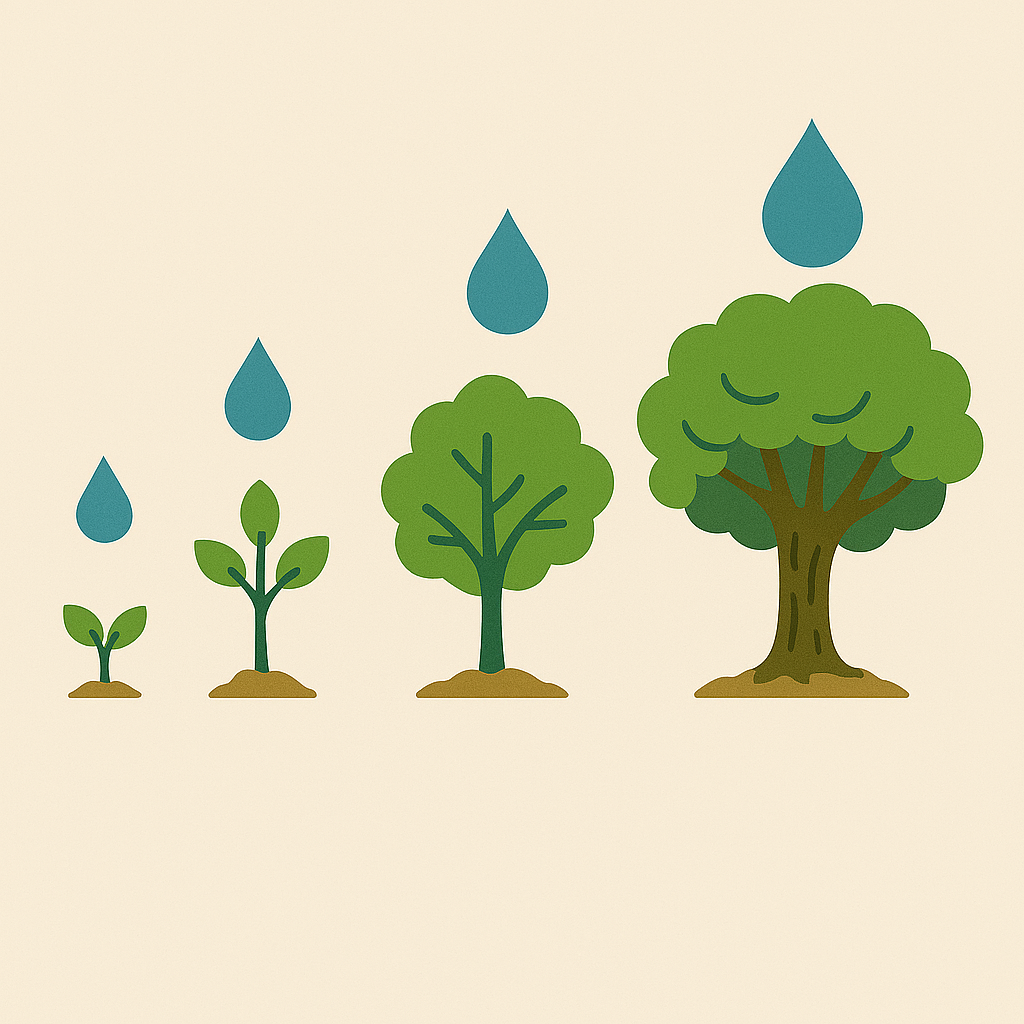
There is **no fixed “expiration date”** for biodrainage plants, but their effectiveness follows a predictable curve tied to age, canopy size, and root vigor. The goal is to replace a plant **before** its water‑use capacity declines.

3. Mix ages for immediate and long‑term performance

A few larger nursery trees + younger ones for longevity
Turns out, Guzzler had left behind a legacy. The underground root network still buzzed with stories of overwatering, burnout, and unrealistic expectations. Sunny tapped into it like a gossip hotline.

4. Consider the individual needs of the plants in terms of soil quality and available space for healthy development.

A stressed or diseased tree can’t manage groundwater.

Practical Takeaway for Biodrainage Design

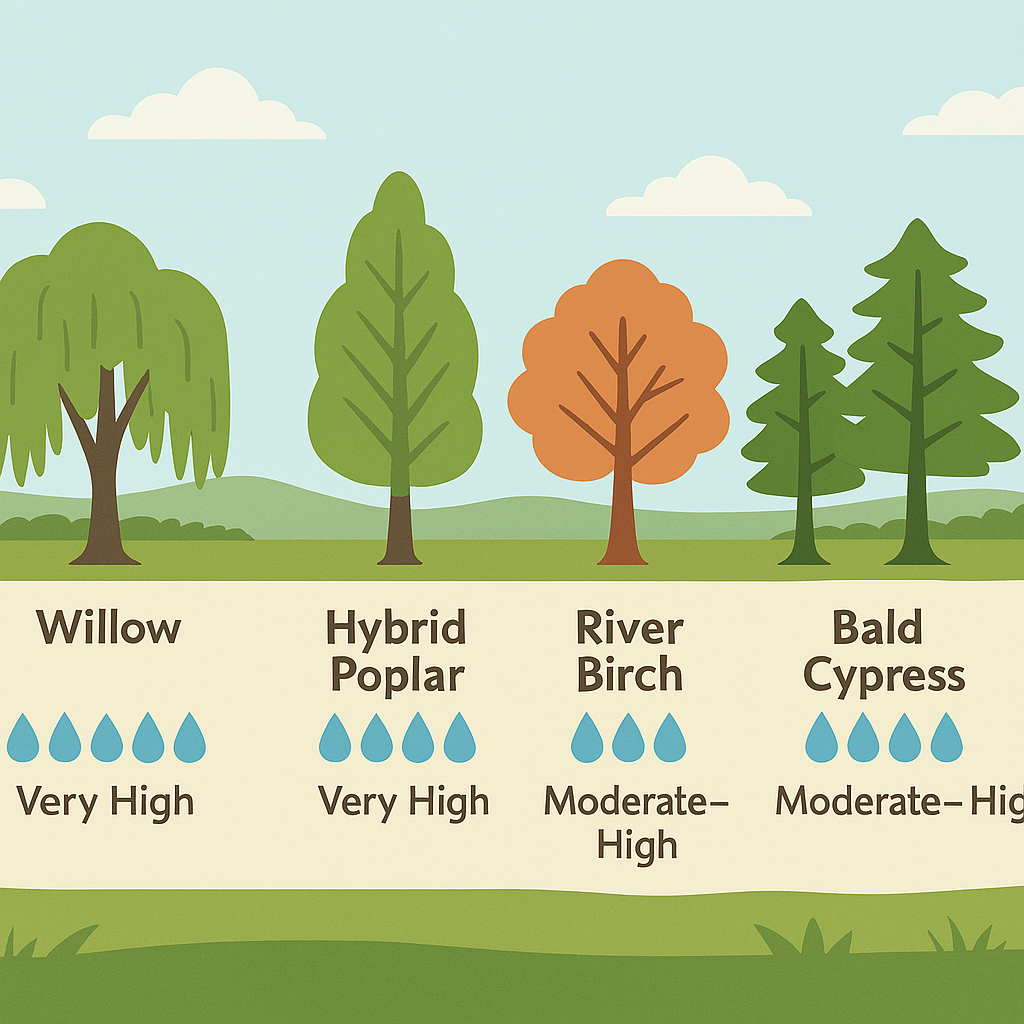
If you want maximum water removal, the ranking goes like this:

1. Willows

Best for extreme wetness, stormwater swales, or large properties.

2. Hybrid Poplars

Best for rapid results; excellent for large wet zones.

3. River Birch

Best all‑around choice for residential landscapes. High water use. Beautiful bark and form. Safer root behavior. Strong performance in Ohio soils.

4. Bald Cypress & Red Maple

Great supporting species for layered biodrainage systems.

Shrubs That Support Biodrainage:

Red Osier Dogwood (Cornus sericea)

Buttonbush (Cephalanthus occidentalis)

Winterberry Holly (Ilex verticillata)

Elderberry (Sambucus canadensis)

Ninebark (Physocarpus opulifolius)

Wishing you great success on your landscape design journey. May each idea take root and flourish into something truly beautiful. If you’d like to share your plans or have a question, feel free to leave a comment—I’d be happy to hear from you.
Tags :

Leave a Reply

Your email address will not be published. Required fields are marked *

Translate »