Designing an Effective Biodrainage System
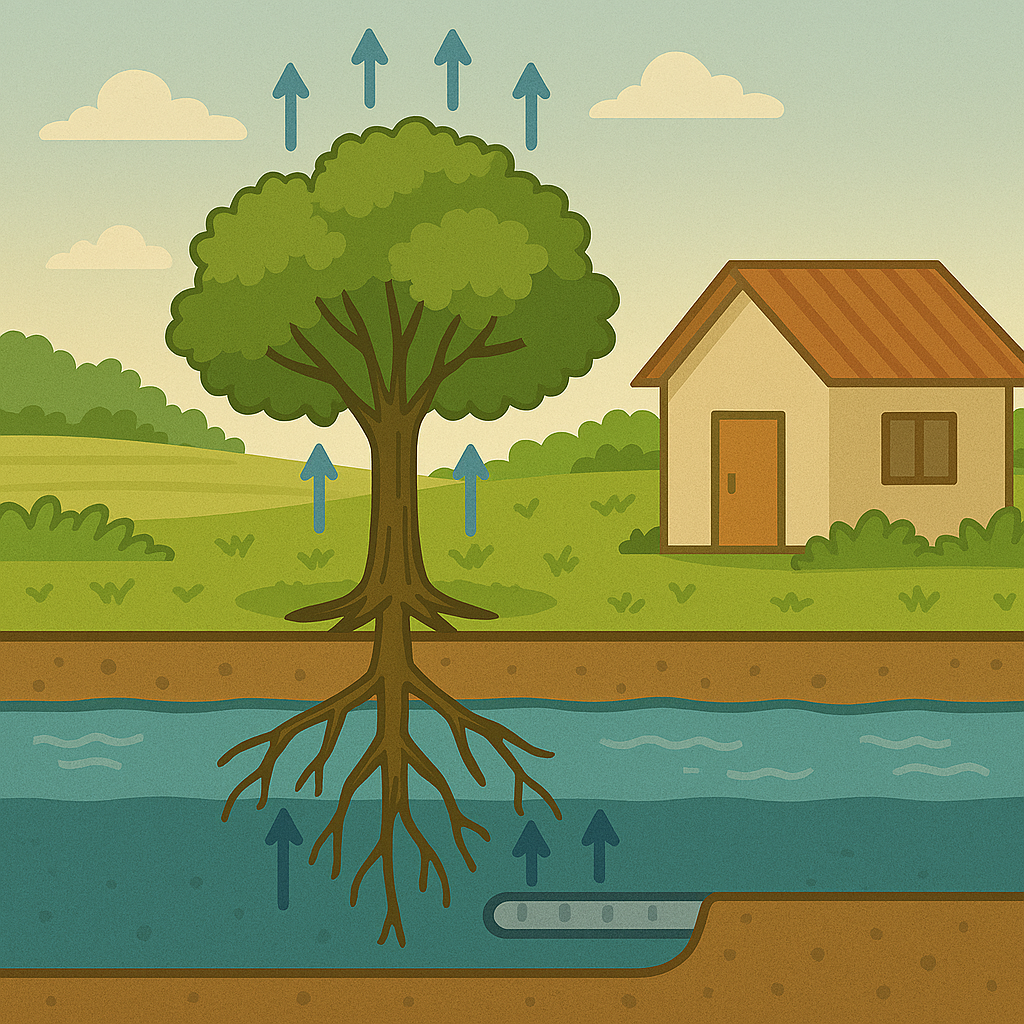
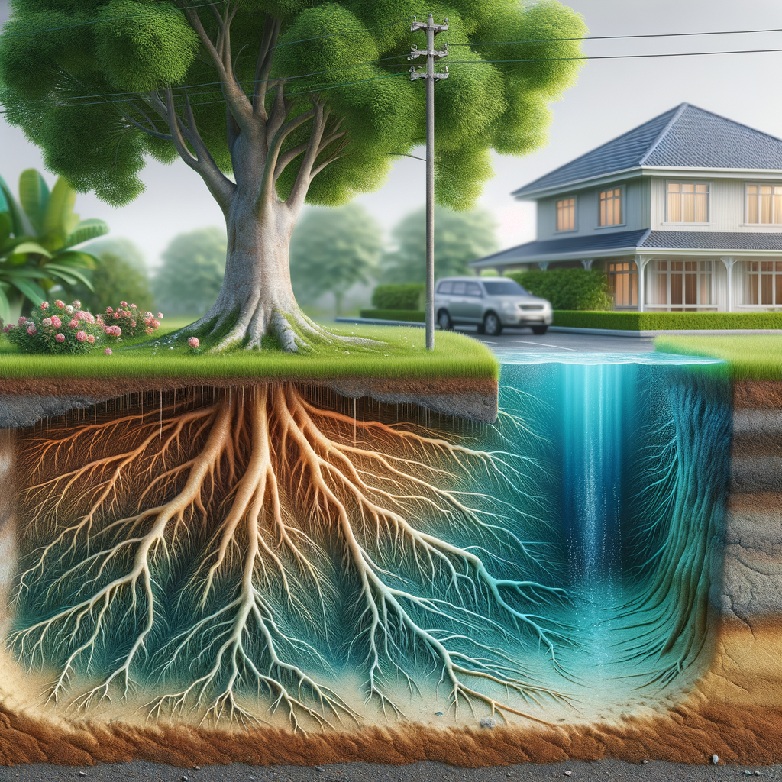
1. Plant in the wettest zones
Low spots, swales, and areas where water naturally collects.
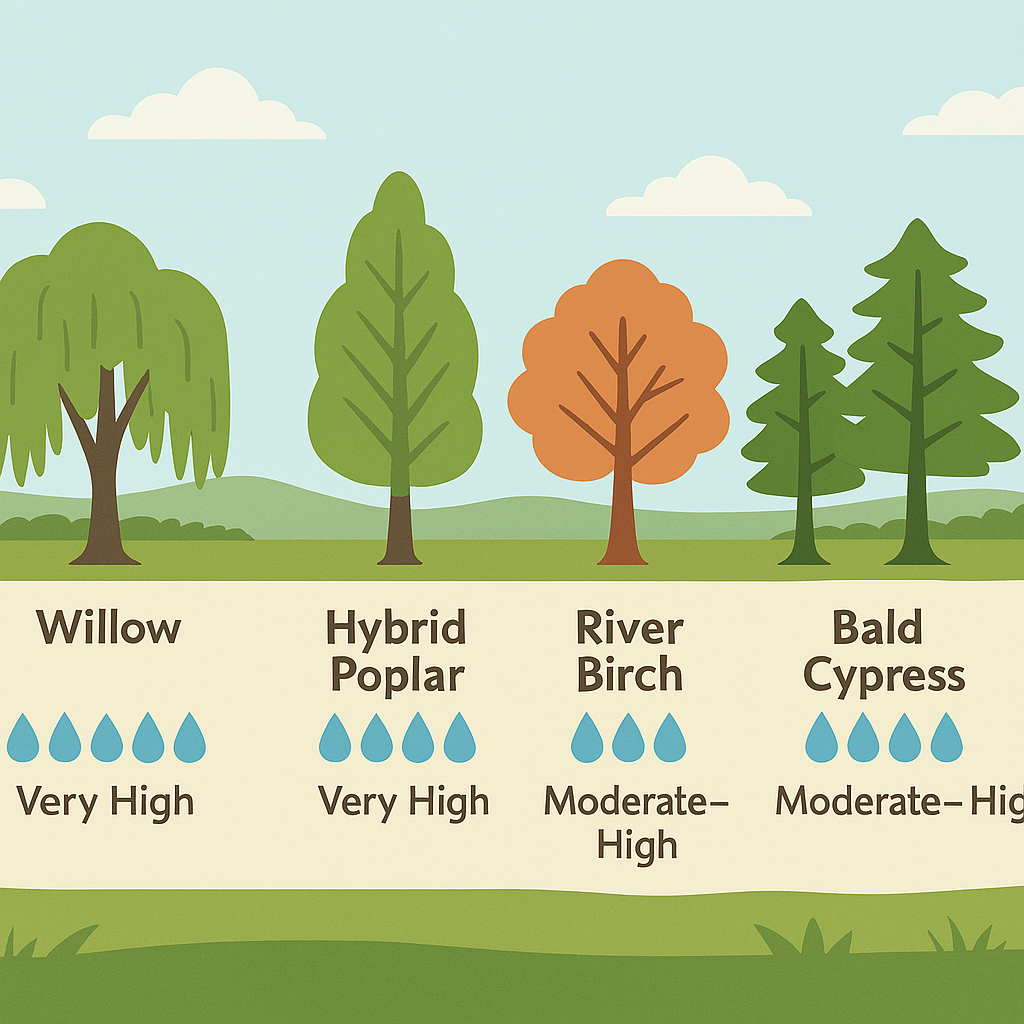
2. Use clusters, not single specimens
Groups of trees and shrubs create a stronger cumulative effect.
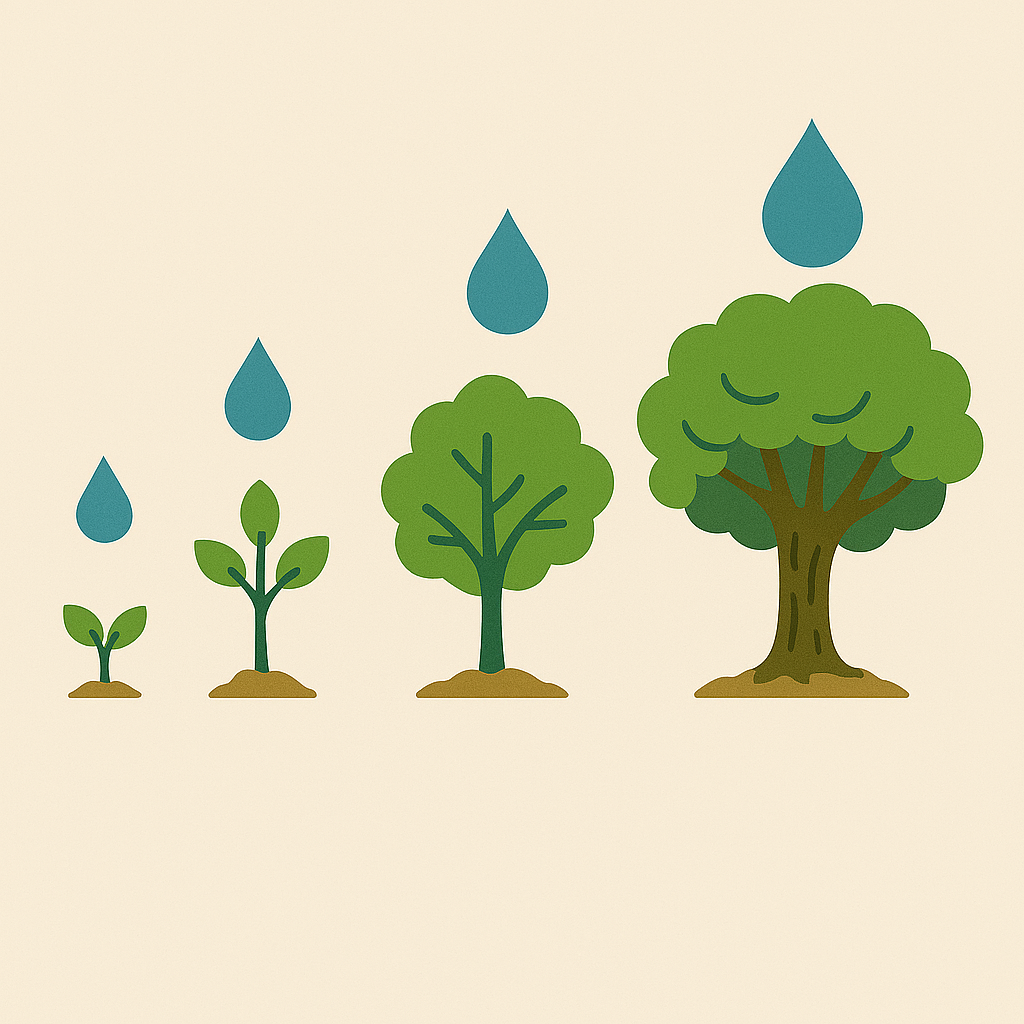
3. Mix ages for immediate and long‑term performance
A few larger nursery trees + younger ones for longevity
4. Consider the individual needs of the plants in terms of soil quality and available space for healthy development.
A stressed or diseased tree can’t manage groundwater.
Manager
0
Tags :
Subscribe
Login
0 Comments
Oldest