• (216) 532-9138
  • office@juststumpit.com
  • OHIO

Chondrostereum purpureum: The Silent Killer Hiding in Old Tree Stumps
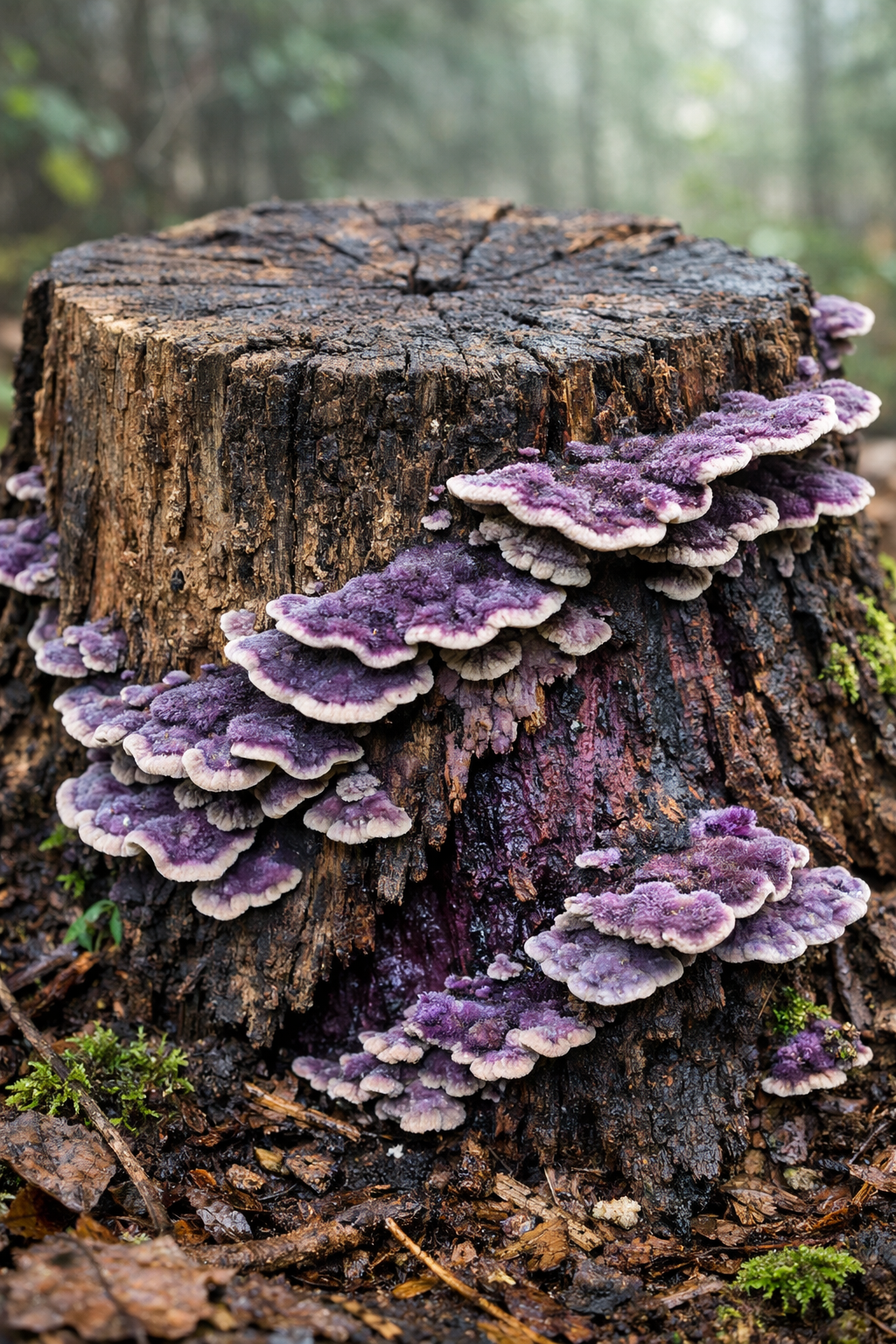
"Chondrostereum purpureum" may not be a household name, but homeowners, arborists, and landscapers should know it well. This fungus—best known for causing "silver leaf disease"—is one of the most destructive pathogens affecting fruit trees, ornamentals, and stressed hardwoods across North America and Europe. It thrives quietly in dead wood, old stumps, and pruning wounds, waiting for the perfect opportunity to invade living trees.

"Chondrostereum purpureum" may not be a household name, but homeowners, arborists, and landscapers should know it well. This fungus—best known for causing "silver leaf disease"—is one of the most destructive pathogens affecting fruit trees, ornamentals, and stressed hardwoods across North America and Europe. It thrives quietly in dead wood, old stumps, and pruning wounds, waiting for the perfect opportunity to invade living trees.

Below is a comprehensive look at what it is, how it spreads, and why stump removal is one of the most effective ways to stop it.

What Is "Chondrostereum purpureum"?
“Chondrostereum purpureum” is a wood decaying fungus that produces distinctive, velvety, purple gray fruiting bodies on dead or dying wood. While it plays a natural role in forest decomposition, it becomes a serious threat when it infects living trees.
Its most infamous symptom is “silver leaf disease”, named for the shimmering, metallic sheen it causes on infected foliage.
The fungus spreads primarily through airborne spores released from fruiting bodies on:
– Old tree stumps
– Fallen branches
– Deadwood left after improper pruning
– Storm damaged trees
Spores land on fresh wounds—especially pruning cuts—and begin colonizing the wood. Once inside, the fungus moves through the vascular system, disrupting water flow and slowly killing branches or the entire tree.
While many hardwoods are susceptible, “Chondrostereum purpureum” is especially aggressive toward:
– Cherry
– Plum
– Peach
– Apple
– Pear
– Willow
– Poplar
– Birch
Ornamental varieties of these species are equally vulnerable.

Why Old Stumps Are a Major Source of Infection

A stump left after tree removal is not just an eyesore—it’s a pathogen reservoir.
"Chondrostereum purpureum" thrives in:
- Moist, decaying stumps
- Large root systems left underground
- Deadwood that remains unremoved
As the fungus matures, it releases millions of spores into the air. Any nearby tree with a fresh wound becomes a target.
This is why professional arborists strongly recommend stump grinding as part of responsible tree care.

How to Prevent Infection
Early infections may be managed by:
– Removing affected branches well below the infected area
– Improving airflow and reducing moisture
– Strengthening tree health through proper watering and mulching
However, advanced infections often require complete removal to protect nearby trees.

A Natural Fungus With Serious Consequences.

While "Chondrostereum purpureum" is a natural decomposer, it becomes a destructive force when it jumps from dead wood into living trees. For homeowners and landscapers, understanding this fungus—and eliminating the stumps that harbor it—is essential for maintaining a healthy landscape.
If you notice silvering leaves, unusual dieback, or purple fungal growth on nearby stumps, it’s time to take action.

Fill out the form on this page or call us at 216-767-6323 for stump removal.

Leave a Reply

Your email address will not be published. Required fields are marked *

Translate »