Acidic Soil Under a Tree Stump: Why It Happens and What You Can Plant There
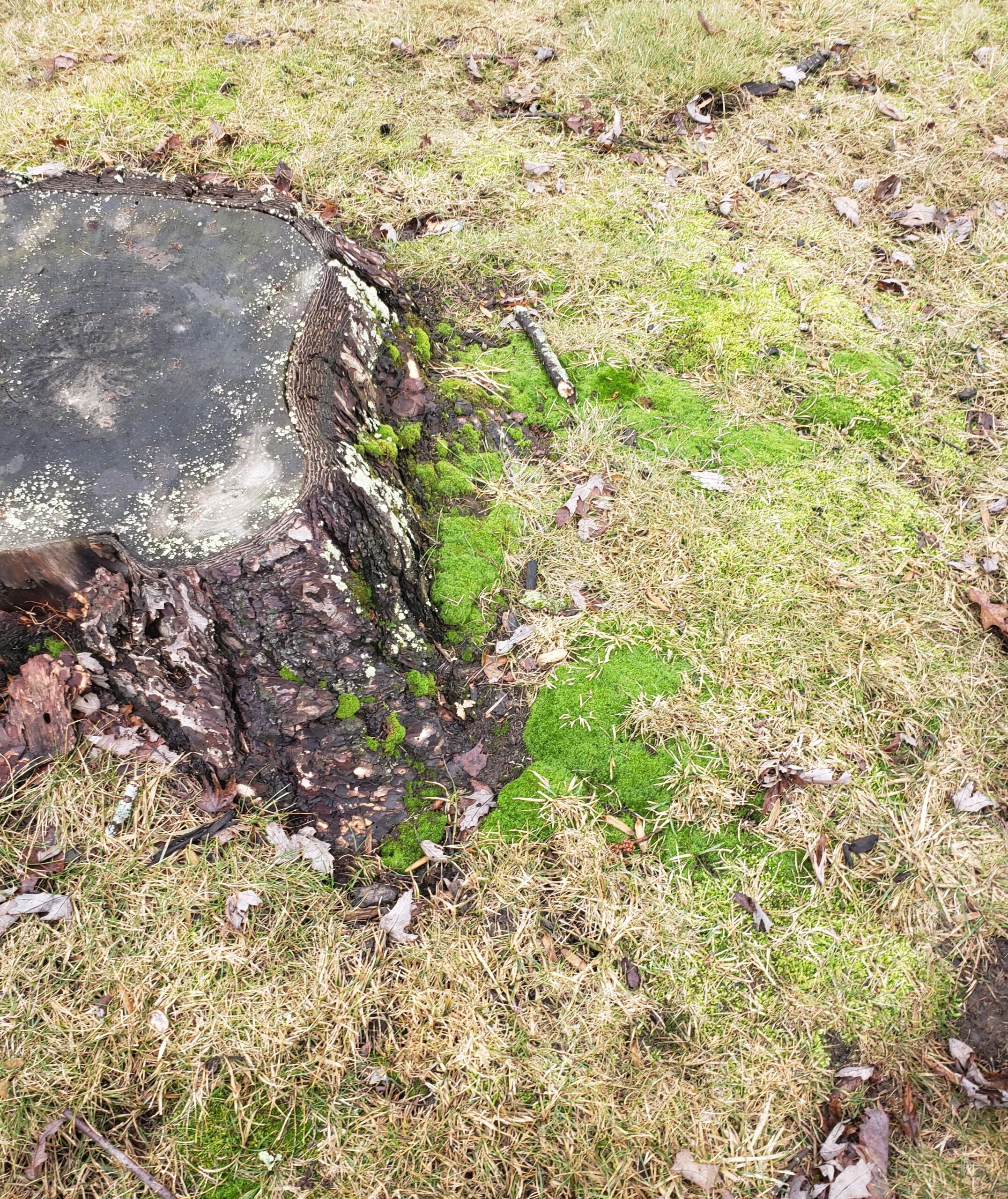
When a tree is removed, the soil beneath the stump doesn’t immediately return to “normal.” In fact, the area often becomes more acidic, especially if the tree was a conifer. This acidity affects what will grow well in that spot — and what won’t.
Understanding why stump areas turn acidic and which plants naturally thrive there makes it much easier to transform that bare patch into something beautiful.
Why Soil Under a Tree Stump Becomes Acidic?
Several natural processes work together to lower soil pH around an old stump:
1. Coniferous Trees Naturally Acidify Soil
If the stump belonged to a pine, spruce, fir, or other conifer, the soil beneath it is almost always acidic. Conifer needles, bark, and roots break down slowly and release organic acids into the soil over many years.
2. Decomposing Wood Continues to Lower pH
Even after the tree is gone, the remaining roots and wood fibers keep breaking down. As they decompose, microorganisms release acids that temporarily push the soil pH even lower.
Moisture Collects Around Old Root Systems
Stump areas often stay damp because old roots create pockets that hold water. Constant moisture slows decomposition and keeps the soil acidic for longer.

Moss Growth Is a Strong Indicator of Acidity
What Can You Plant in Acidic Soil?
Shrubs and Trees That Prefer Acidic Soil
Flowers and herbs that tolerate acidic and slightly acidic soil well:
Groundcovers for Acidic Spots
How to Choose the Right Plant for Your Former Stump Area

A Former Stump Area Can Become a Beautiful Planting Bed
Acidic soil isn’t a problem — it’s an opportunity. With the right plants, the spot where a tree once stood can become one of the most attractive areas in your yard. Acid loving shrubs, perennials, and groundcovers will settle in quickly and thrive in the conditions the stump left behind.