• (216) 532-9138
  • office@juststumpit.com
  • OHIO

Chestnut Blight: The Fungus That Transformed America’s Forests
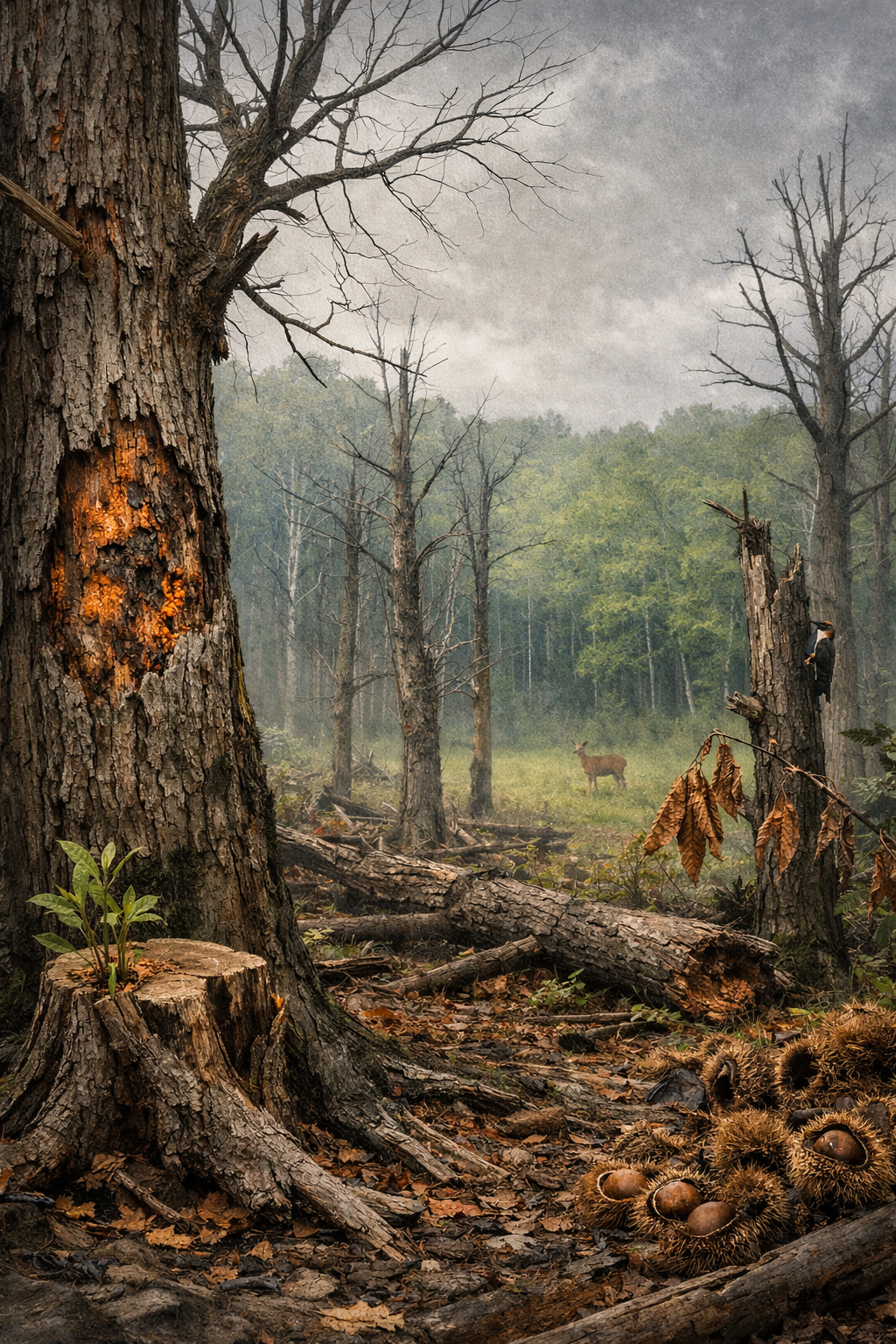
Chestnut blight is one of the most destructive tree diseases in North American history, responsible for eliminating billions of American chestnut trees and reshaping entire forest ecosystems.

Chestnut blight is a lethal fungal disease caused by *Cryphonectria parasitica*, an invasive pathogen introduced from East Asia in the early 1900s.

Within just a few decades, it wiped out nearly all mature American chestnut trees (*Castanea dentata*), a species once considered the “redwood of the East” for its size, strength, and ecological importance. [NC State Extension Publications]
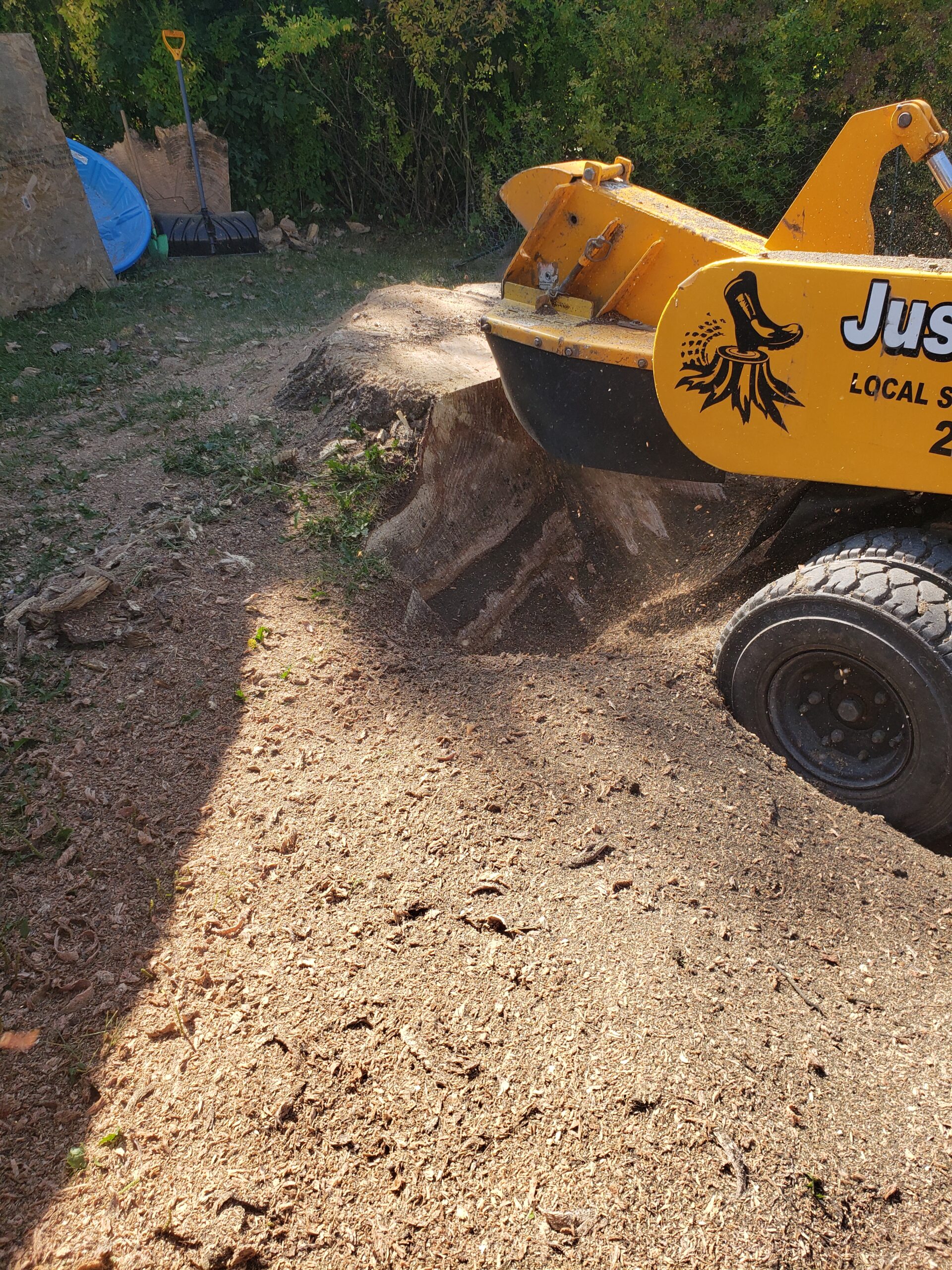
🌰 Chestnut Blight: Why Tree Stumps Are More Dangerous Than You Think
Chestnut blight has reshaped forests across the eastern United States, wiping out billions of American chestnut trees and leaving behind a legacy of dead trunks, sprouting shoots, and infected stumps. But while most people focus on the dramatic dieback above ground, the real danger often sits quietly at soil level — the stump.
Many homeowners don’t realize that a chestnut stump can continue to harbor the blight fungus long after the tree has died, silently spreading disease to nearby trees and shrubs. Even if the stump looks dry, stable, or harmless, it can still be a reservoir of infection.
How the fungus infects trees:
Spores enter through bark wounds or natural fissures. The fungus spreads beneath the bark, forming sunken cankers. It produces oxalic acid, which kills cambium tissue. Once a canker girdles the trunk or branch, everything above it dies. [en.wikipedia.org]
The fungus does not kill the root system. As a result, chestnut stumps continue to sprout new shoots—but these young stems rarely survive long enough to mature before being reinfected.
Common signs include:
– Sunken or swollen orange brown patches on bark
– Cracked, peeling bark on older trees
– Orange or yellow fungal fruiting bodies (pycnidia)
– Rapid dieback of branches above the canker
– Wilted leaves that remain attached through winter
These symptoms reflect the fungus’s aggressive colonization of the inner bark and cambium.
[biologyinsights.com]
The fungus *Cryphonectria parasitica* attacks the bark and cambium of chestnut trees, killing everything above the infection site. But the roots? They often stay alive.
That means:
– The stump continues to send up new shoots
– Those shoots become reinfected almost immediately
– The fungus remains active in the dead wood
– Spores spread to healthy trees through wind, rain, insects, and animals
In other words, a stump becomes a permanent disease factory.
Even if you don’t have other chestnut trees on your property, infected stumps still pose serious risks:
1. They keep the blight alive in your soil. Chestnut blight doesn’t disappear when the tree dies. The fungus can persist for years, waiting for new hosts.
2. They infect nearby trees — not just chestnuts. Oak, maple, and other hardwoods can suffer secondary infections through wounds, creating weak spots and structural hazards.
3. They attract pests. Decaying stumps draw insects and fungi that can spread to healthy trees or even your home.
4. They create trip hazards and mower damage. A stump that looks “low enough” today becomes a costly problem tomorrow.
Some companies will happily grind just the top of the stump because it’s fast, easy, and profitable. But stopping at the surface leaves behind:

🌱 The Best Defense: Remove Stumps Early

Stump removal isn’t just a cosmetic choice — it’s a preventive measure. Eliminating the stump removes the fungus’s hiding place and breaks the cycle of reinfection.
For homeowners in Northeast Ohio, where chestnut blight and other tree diseases are common, early stump removal protects:
Your yard
Your neighboring trees
Your long‑term landscape health

Chestnut blight doesn’t end when the tree dies. The stump keeps the disease alive, spreads infection, and creates long-term hazards. Removing it early is one of the simplest, most effective ways to protect your property.
If you’re dealing with a dead chestnut or suspect blight on your property, **don’t wait for symptoms to spread — take action now.
Protect your property and your trees — remove infected stumps before the blight spreads. Call us today.

Leave a Reply

Your email address will not be published. Required fields are marked *

Translate »