• (216) 532-9138
  • office@juststumpit.com
  • OHIO

Acidic Soil Under a Tree Stump: Why It Happens and What You Can Plant There
When a tree is removed, the soil beneath the stump doesn’t immediately return to “normal.” In fact, the area often becomes more acidic, especially if the tree was a conifer. This acidity affects what will grow well in that spot — and what won’t.

Understanding why stump areas turn acidic and which plants naturally thrive there makes it much easier to transform that bare patch into something beautiful.

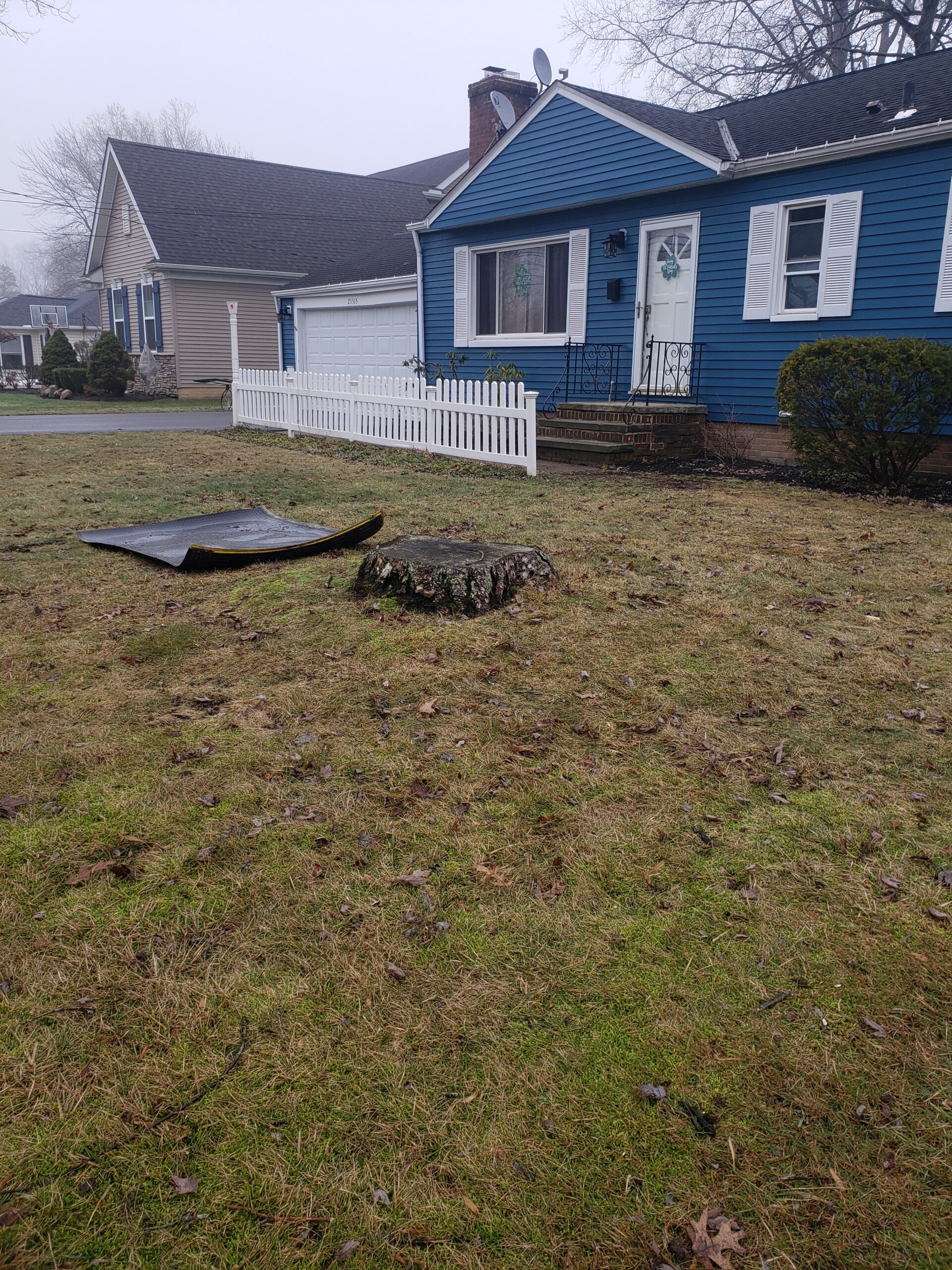
A quick field note from the crew: Ohio got buried in snow this winter, and now it’s all melting at once. The yard where we were supposed to remove a stump? Pure sponge. The kind of ground that swallows your boots and your dignity.

Why Soil Under a Tree Stump Becomes Acidic?

Several natural processes work together to lower soil pH around an old stump:

1. Coniferous Trees Naturally Acidify Soil

If the stump belonged to a pine, spruce, fir, or other conifer, the soil beneath it is almost always acidic. Conifer needles, bark, and roots break down slowly and release organic acids into the soil over many years.

2. Decomposing Wood Continues to Lower pH

Even after the tree is gone, the remaining roots and wood fibers keep breaking down. As they decompose, microorganisms release acids that temporarily push the soil pH even lower.

Moisture Collects Around Old Root Systems

Stump areas often stay damp because old roots create pockets that hold water. Constant moisture slows decomposition and keeps the soil acidic for longer.

When a tree is removed, the soil beneath the stump doesn’t immediately return to “normal.” In fact, the area often becomes more acidic, especially if the tree was a conifer. This acidity affects what will grow well in that spot — and what won’t. Understanding why stump areas turn acidic and which plants naturally thrive there makes it much easier to transform that bare patch into something beautiful.

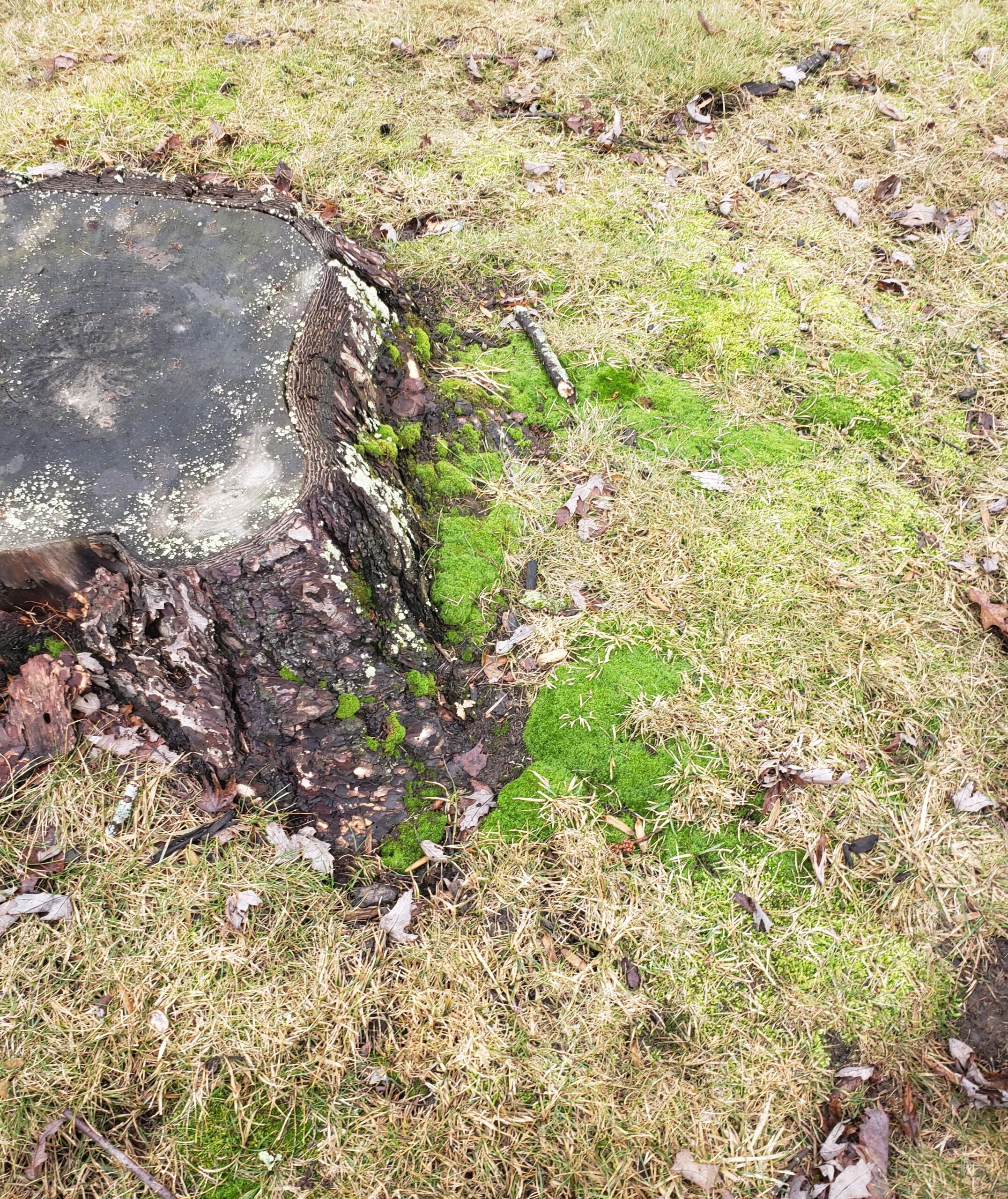
Moss Growth Is a Strong Indicator of Acidity

If moss is thriving around the stump site, that’s a natural sign the soil is acidic.
Moss loves:
- low pH
- moisture
- shade
- compacted soil
Its presence is a reliable clue about the soil conditions.
What Can You Plant in Acidic Soil?

The good news: acid loving plants thrive in the exact conditions left behind by a stump. If you want to plant right away without adjusting the soil, these are your best options.

Shrubs That Love Acidic Soil

These shrubs naturally thrive in low pH environments and will establish well in former stump areas:

Perennials That Do Well in Acidic Soil

These plants handle shade, moisture, and acidic conditions beautifully:

Groundcovers for Acidic Spots

Perfect for filling in the area quickly and naturally:

How to Choose the Right Plant for Your Former Stump Area

Consider these factors when deciding what to plant:

Shade Level

Stump areas — especially from conifers — are often shaded. Ferns, hostas, and foamflower are excellent for low light spots.

Moisture

If the area stays damp, choose plants that enjoy moisture, such as astilbe or sweet woodruff.

Desired Look

- Want a low maintenance fill in? Choose groundcovers.
- Want color? Azaleas, rhododendrons, and hydrangeas shine.
- Want a natural woodland feel? Ferns and native perennials are perfect.

A Former Stump Area Can Become a Beautiful Planting Bed

Acidic soil isn’t a problem — it’s an opportunity. With the right plants, the spot where a tree once stood can become one of the most attractive areas in your yard. Acid loving shrubs, perennials, and groundcovers will settle in quickly and thrive in the conditions the stump left behind.

I’m curious — what would you plant in a freshly cleared stump spot? Drop your ideas in the comments.

Leave a Reply

Your email address will not be published. Required fields are marked *

Translate »