What kind of flowers can be planted after grinding down a tree stump?
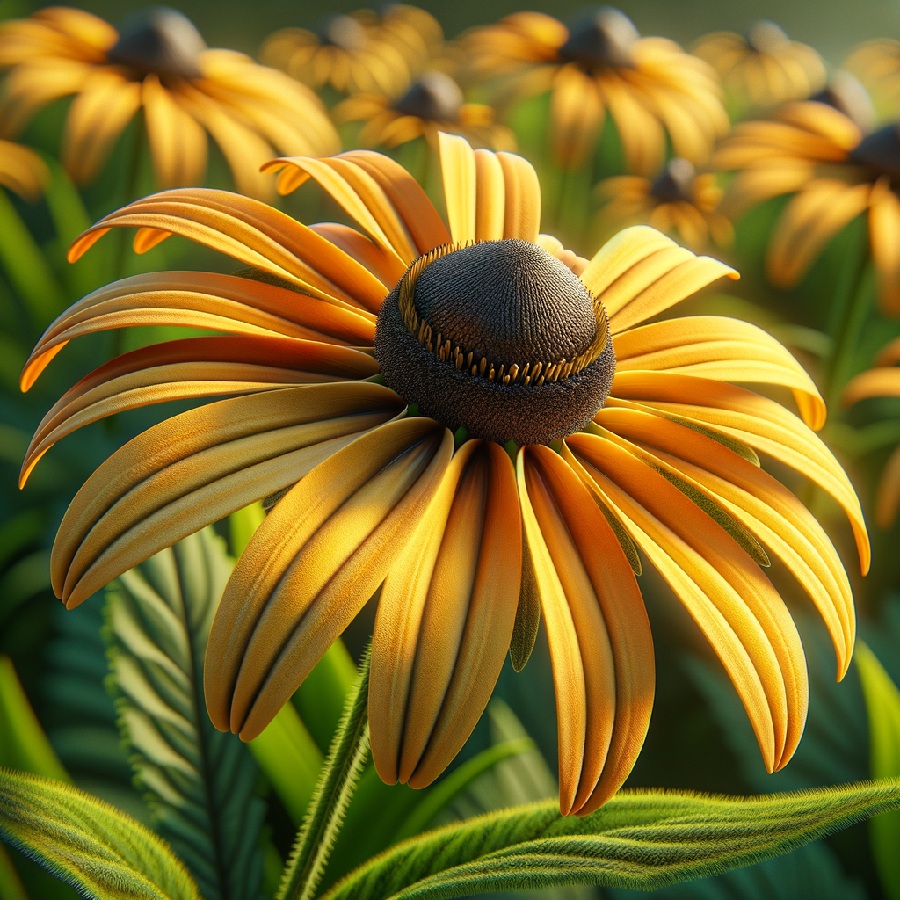


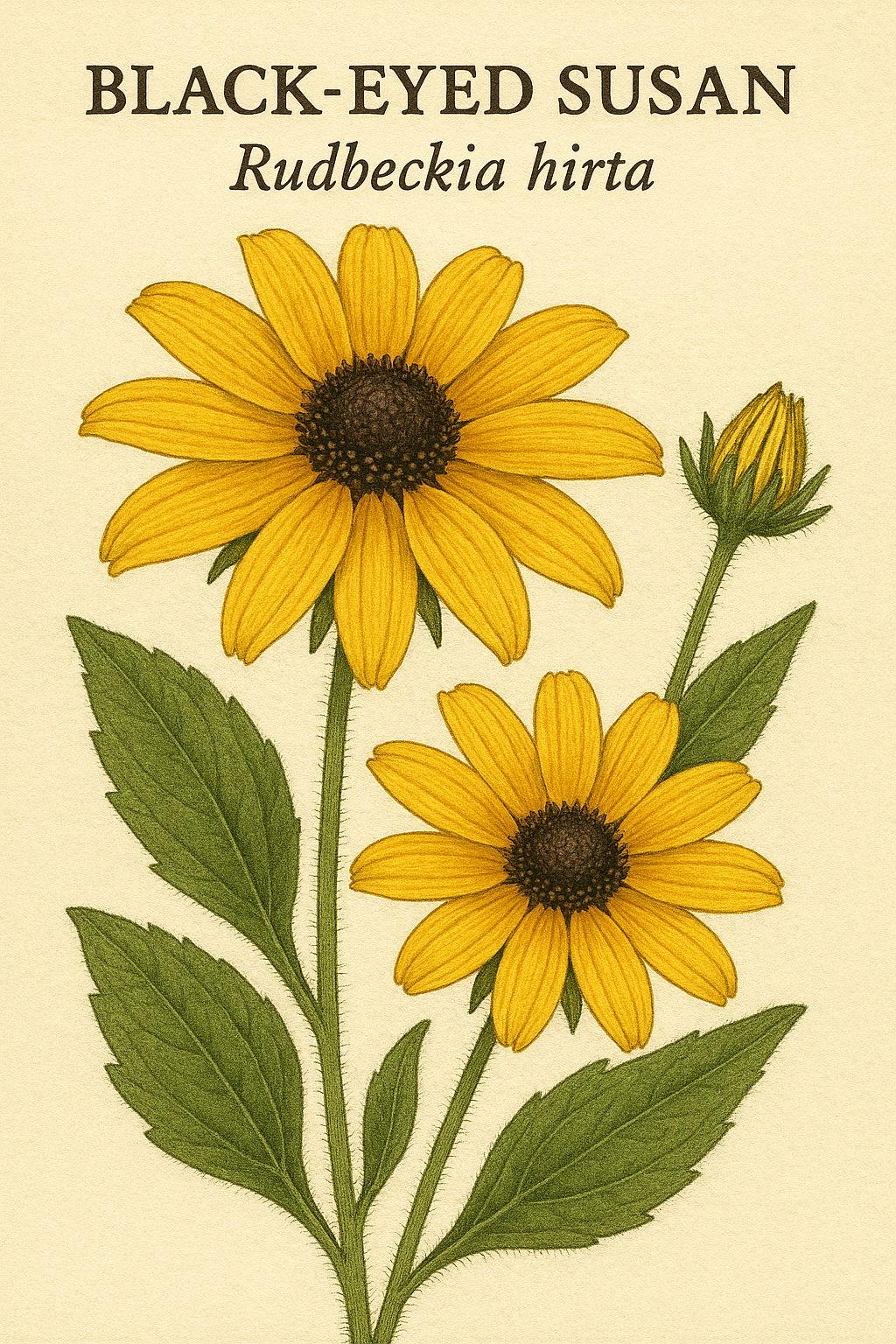
Black-eyed Susans – bright, pest-resistant, pollinator magnets.
Rudbeckia thrives in poor soil because it’s naturally hardy, drought‑tolerant, and adapted to low‑nutrient conditions. Its deep roots access moisture and stabilize growth, allowing it to bloom reliably even where other ornamentals struggle.
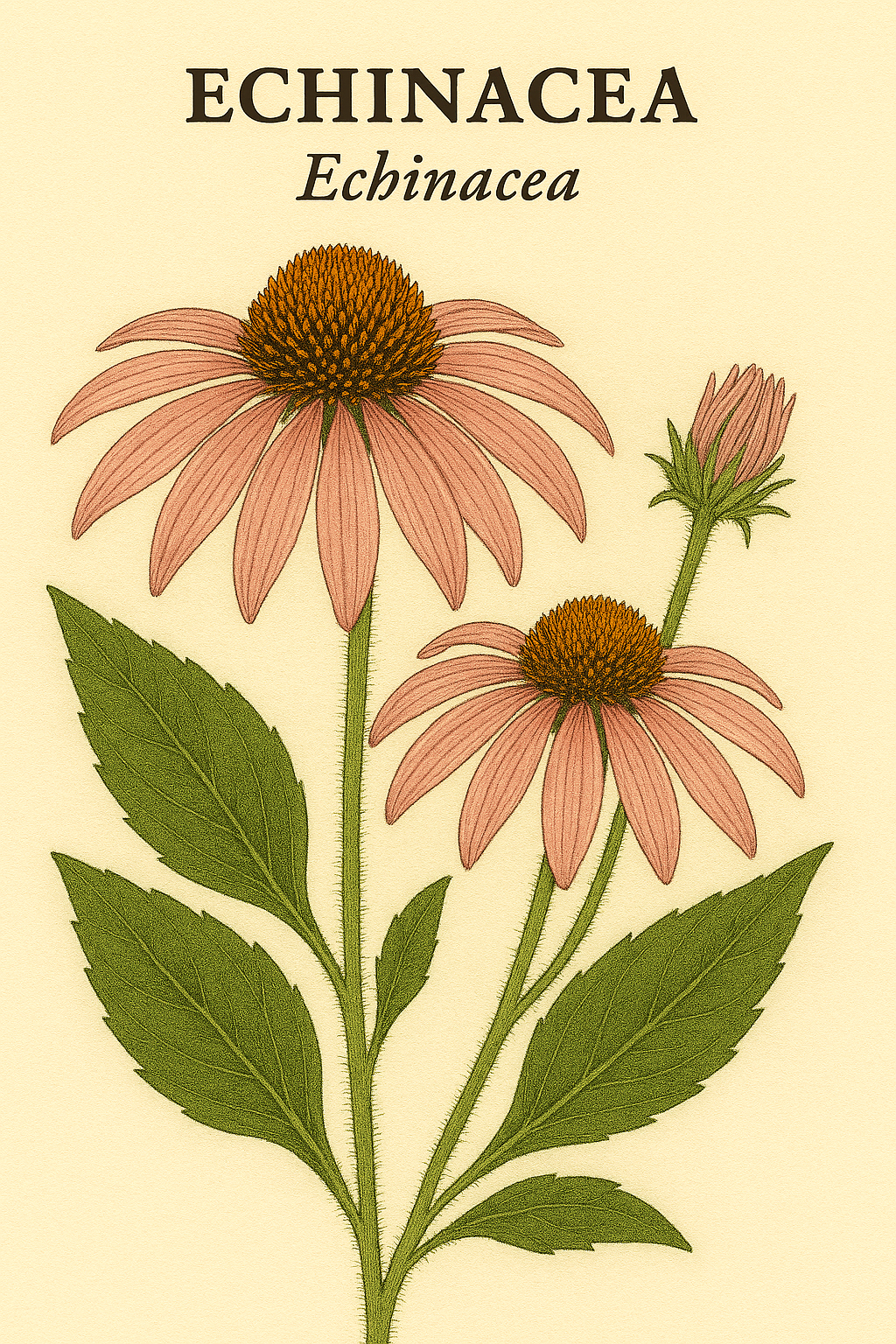
Coneflowers – long bloomers, butterflies love them.
Echinacea handles poor soils because it evolved on dry, rocky prairies. Its deep taproot reaches moisture and nutrients other plants can’t access, and its tough, low‑nutrient tolerance keeps it thriving and blooming even in lean, unfertilized ground.
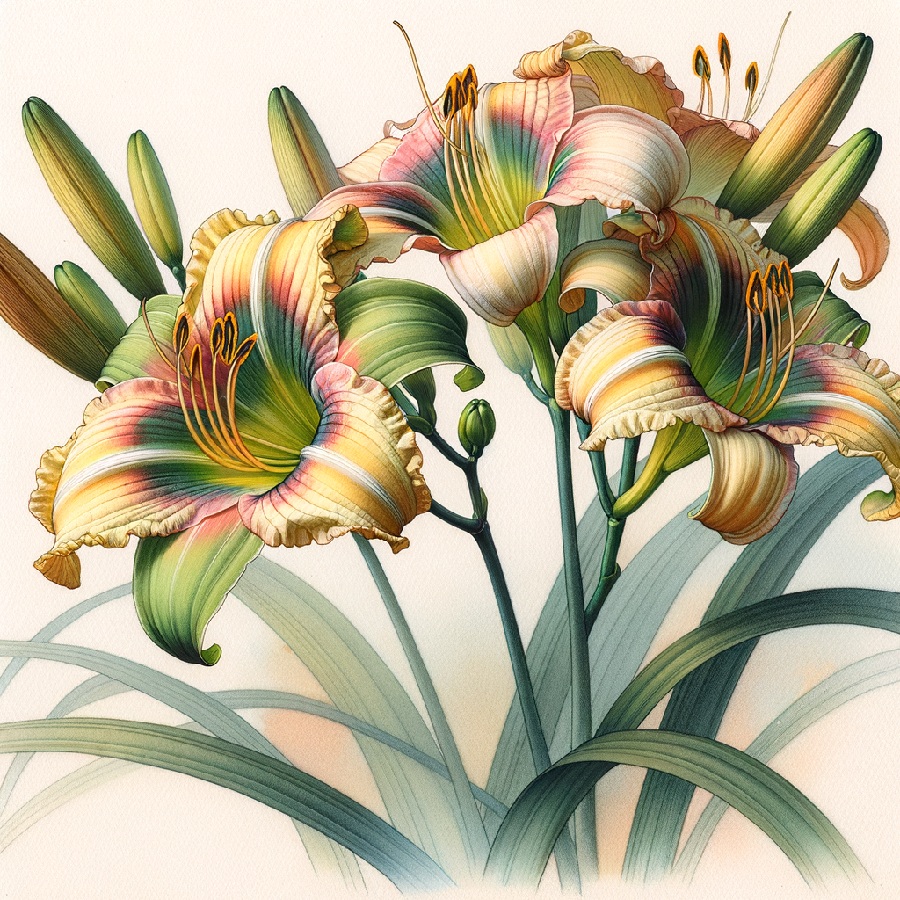
Daylilies – resilient, vibrant, nearly indestructible
Daylilies tolerate rough, low‑nutrient soil and don’t mind the loose, woody grindings left behind. Their fibrous roots establish quickly, even in recently disturbed ground, letting them settle in and grow while the remaining stump debris naturally breaks down.
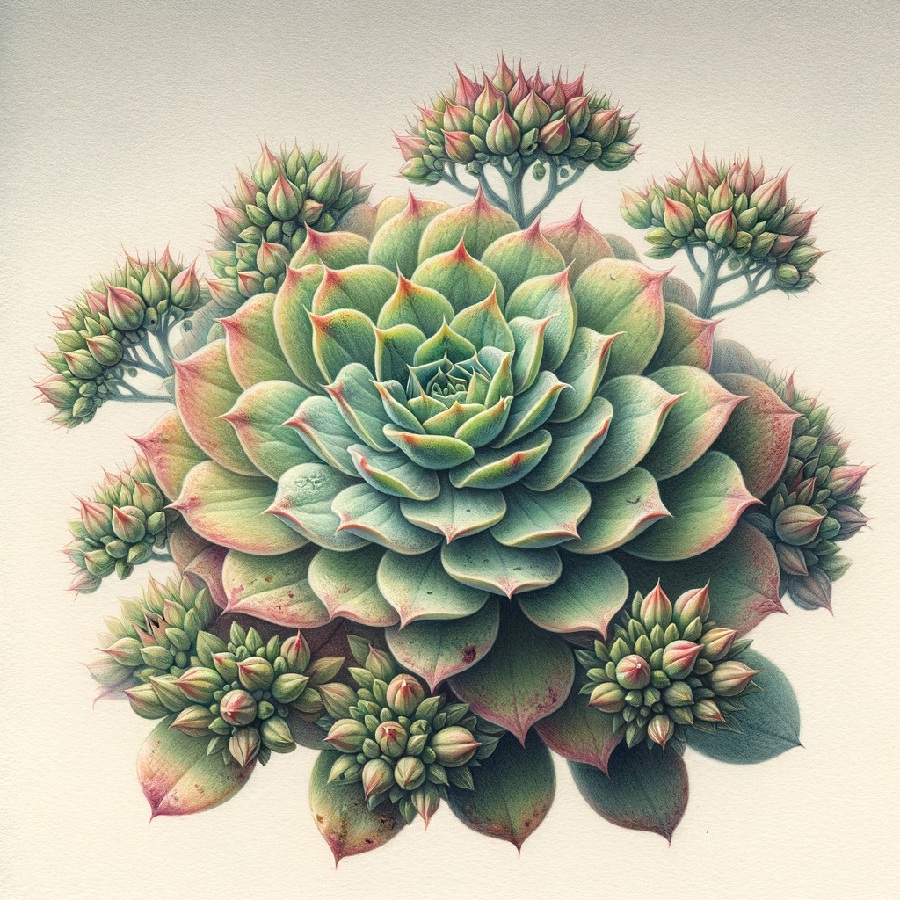
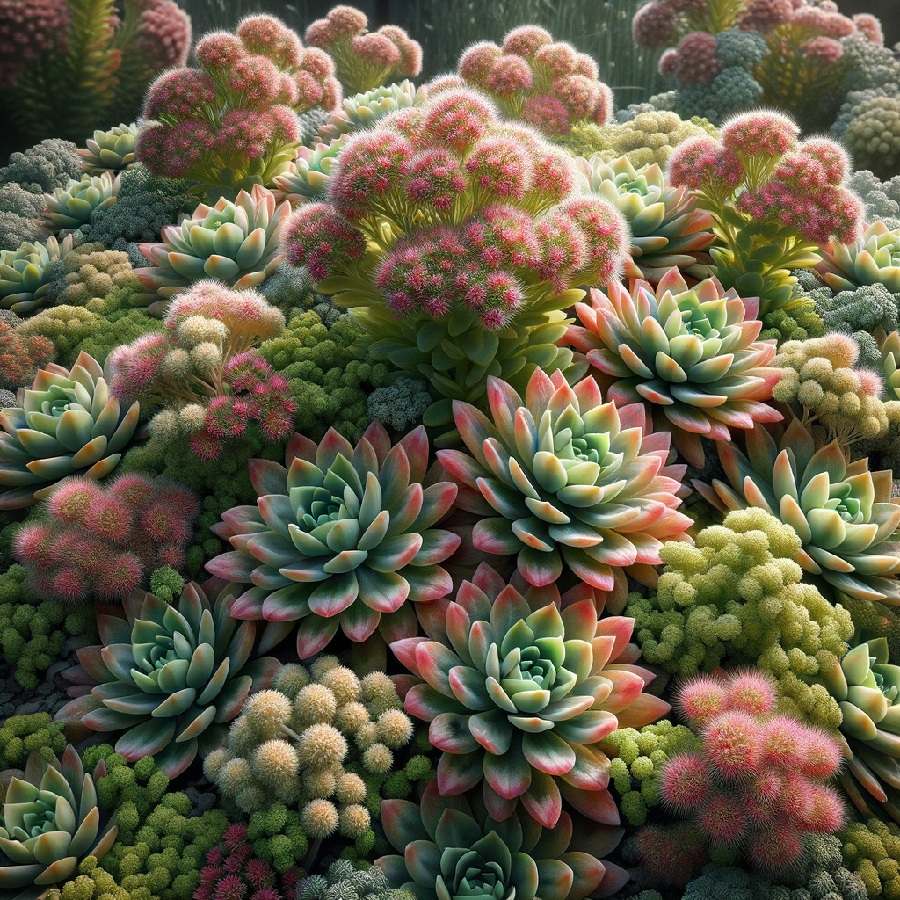
Sedum (Stonecrop) – drought-tolerant, late-summer charm.
Sedum loves the conditions stump grinding creates. The soil becomes loose, well‑drained, and low in nutrients—exactly what sedum prefers. Its shallow roots spread easily through the disturbed ground, and the remaining wood chips don’t hinder growth because sedum thrives in lean, airy soils.
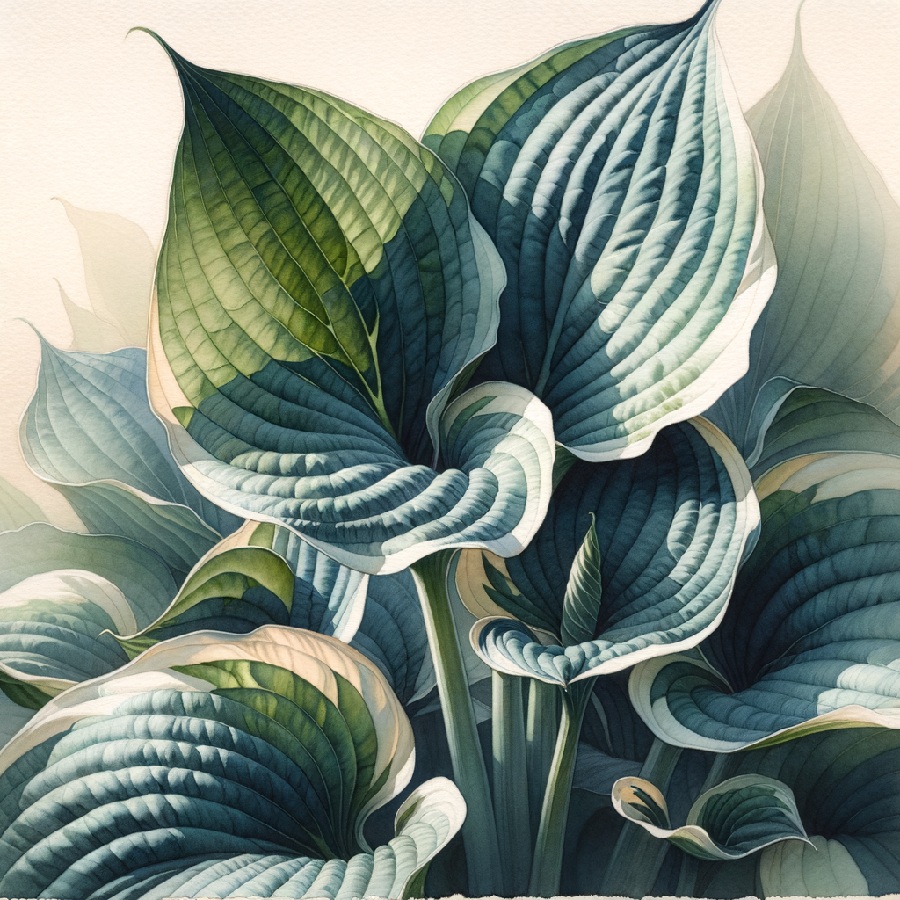
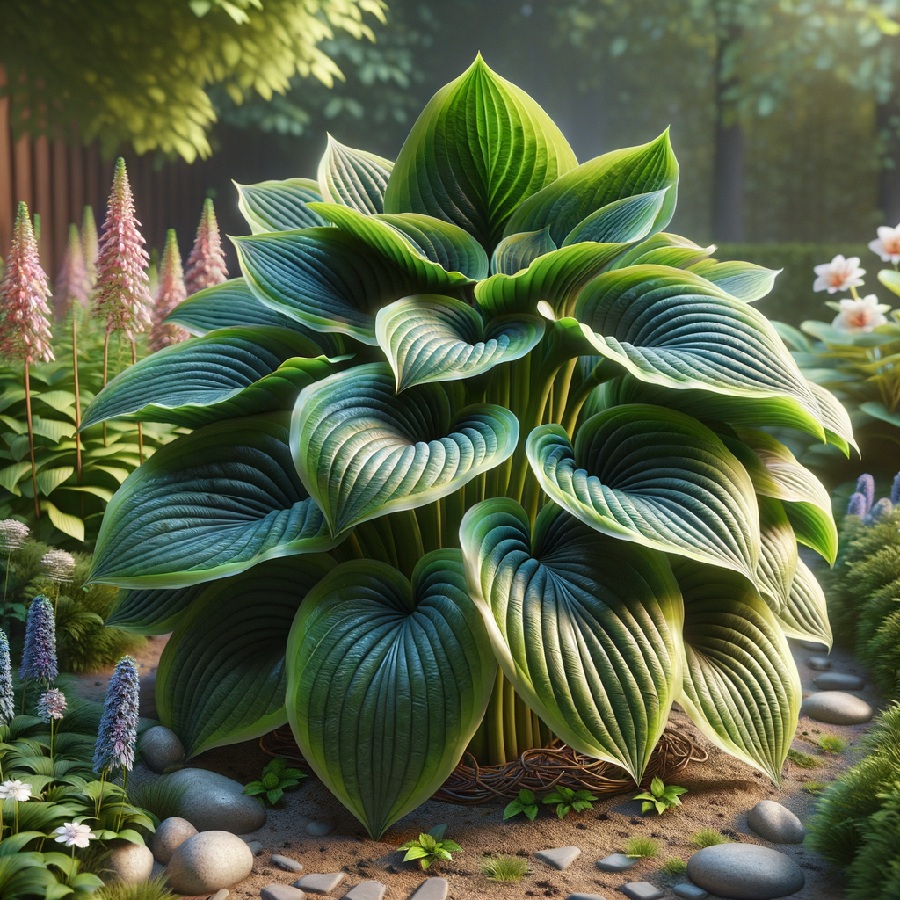
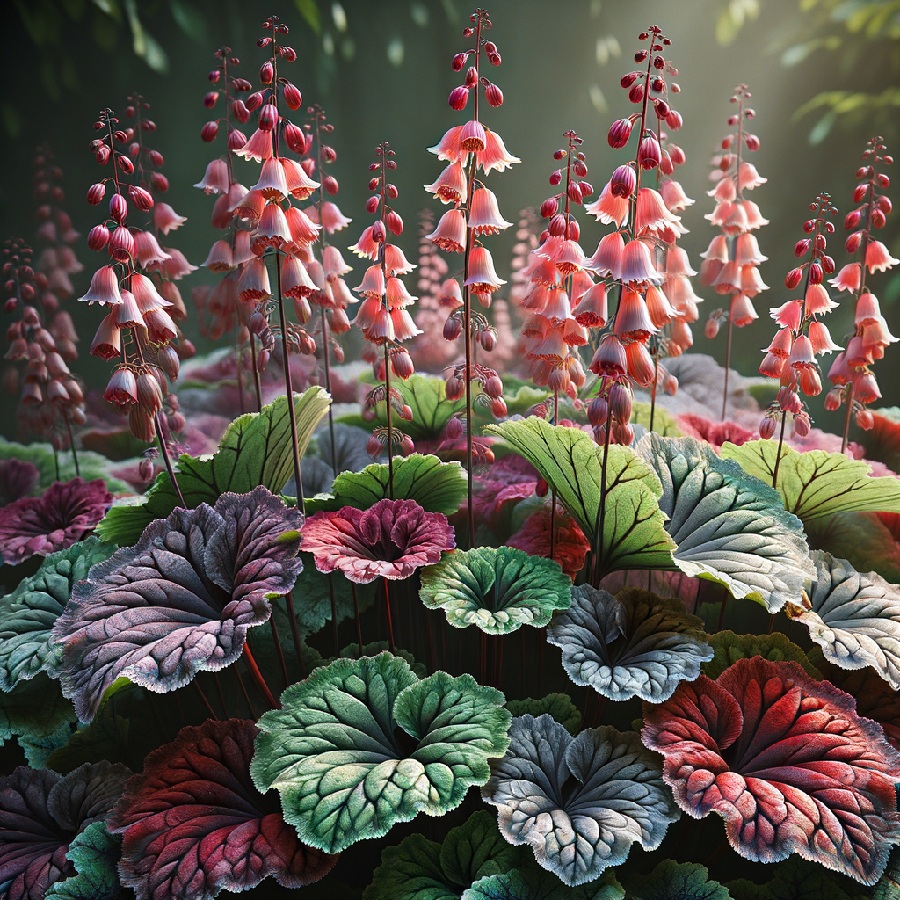
Hostas & Coral Bells – lush foliage, shade-friendly.
Hostas settle in beautifully after a stump is ground because they’re built for disturbed, low‑nutrient soil. Their dense, fibrous roots spread easily through the loosened ground, and they tolerate the temporary dryness caused by wood chips. As the grindings break down, the soil slowly enriches—giving hostas even better conditions over time.
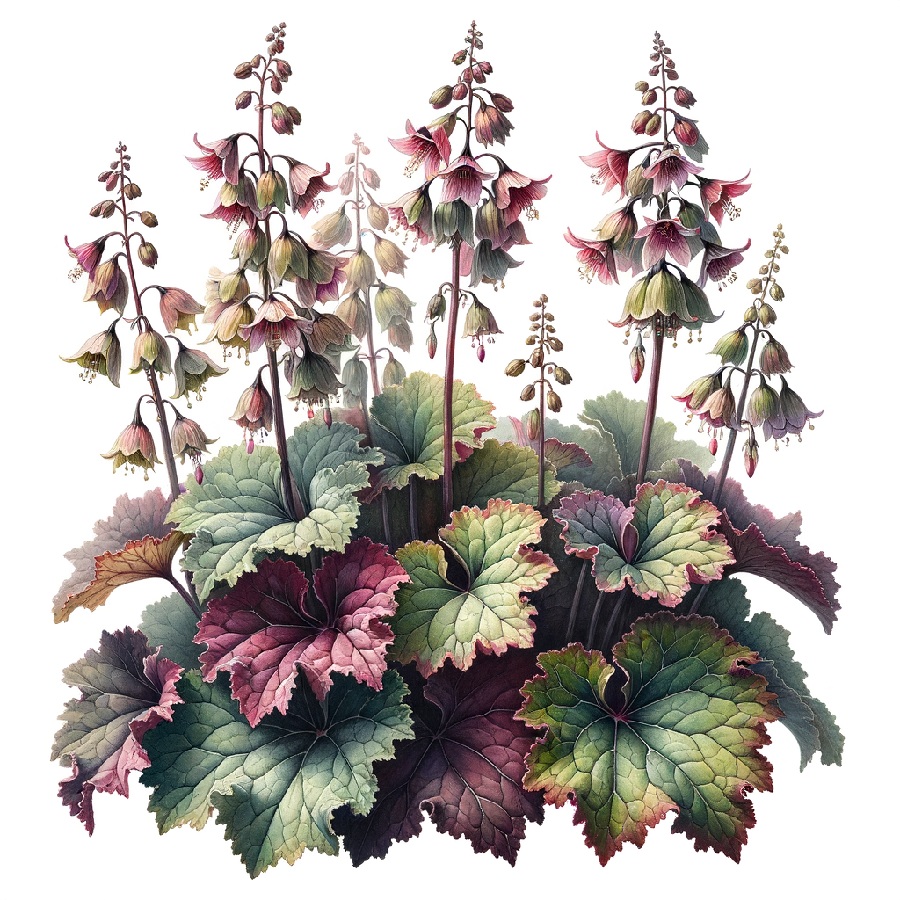
Heuchera is an unpretentious flower.
Coral Bells is unpretentious because it adapts to many soils, handles shade or sun, and needs little care. Its shallow roots settle quickly in disturbed ground, and it stays attractive through the seasons without demanding watering, fertilizing, or constant upkeep.