• (216) 532-9138
  • office@juststumpit.com
  • OHIO

Why is mulch compost not infectious?

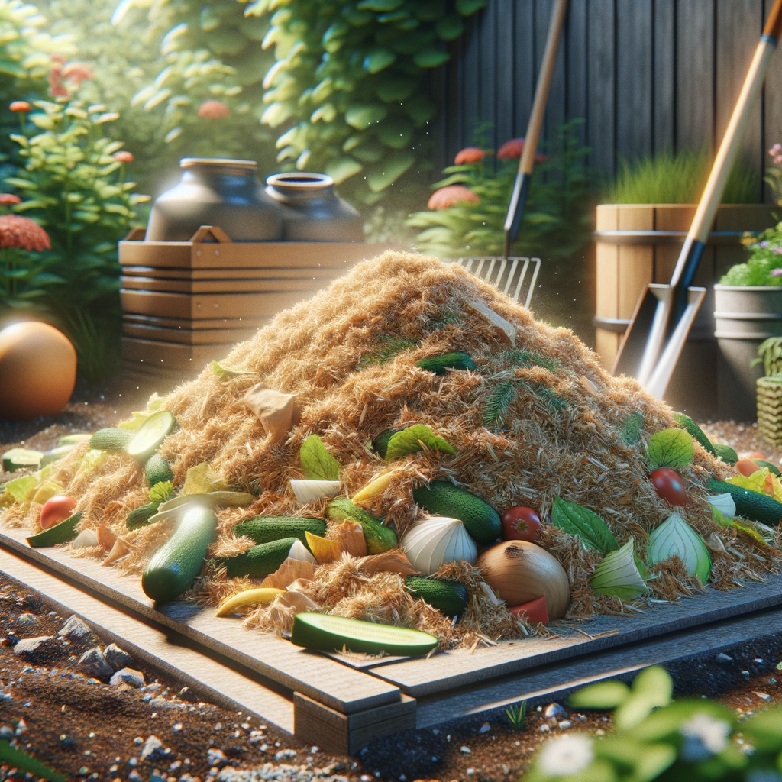
Composting plant residues is a safe and scientifically validated method for eliminating plant diseases. During decomposition, microbial activity generates heat—often reaching **55–70°C**—that destroys harmful fungi, bacteria, and nematodes. Beyond this thermophilic phase, compost becomes a living shield thanks to beneficial microorganisms. Species such as *Bacillus subtilis* and *Pseudomonas fluorescens* produce antibiotics and enzymes that suppress pathogens, while *Streptomyces* (actinomycetes) degrade complex organic matter and release antifungal compounds. Fungi like *Trichoderma* parasitize harmful fungi and stimulate plant immune responses, creating long-term protection. Together, these microbes outcompete pathogens for nutrients and space, preventing reinfection. The result is a nutrient-rich humus that improves soil fertility, structure, and resilience. By transforming infected residues into a biologically active amendment, composting not only recycles waste but also safeguards gardens and crops in a sustainable, eco-friendly way. 🌱🌿 Using compost not only recycles garden waste but also reduces reliance on chemical treatments, making it an eco-friendly and sustainable practice. In short, composting transforms potential sources of infection into a safe, valuable resource for healthier gardens and landscapes. 🌱🌿
Leave a Reply

Your email address will not be published. Required fields are marked *

Translate »