What to do with mulch after grinding a stump?
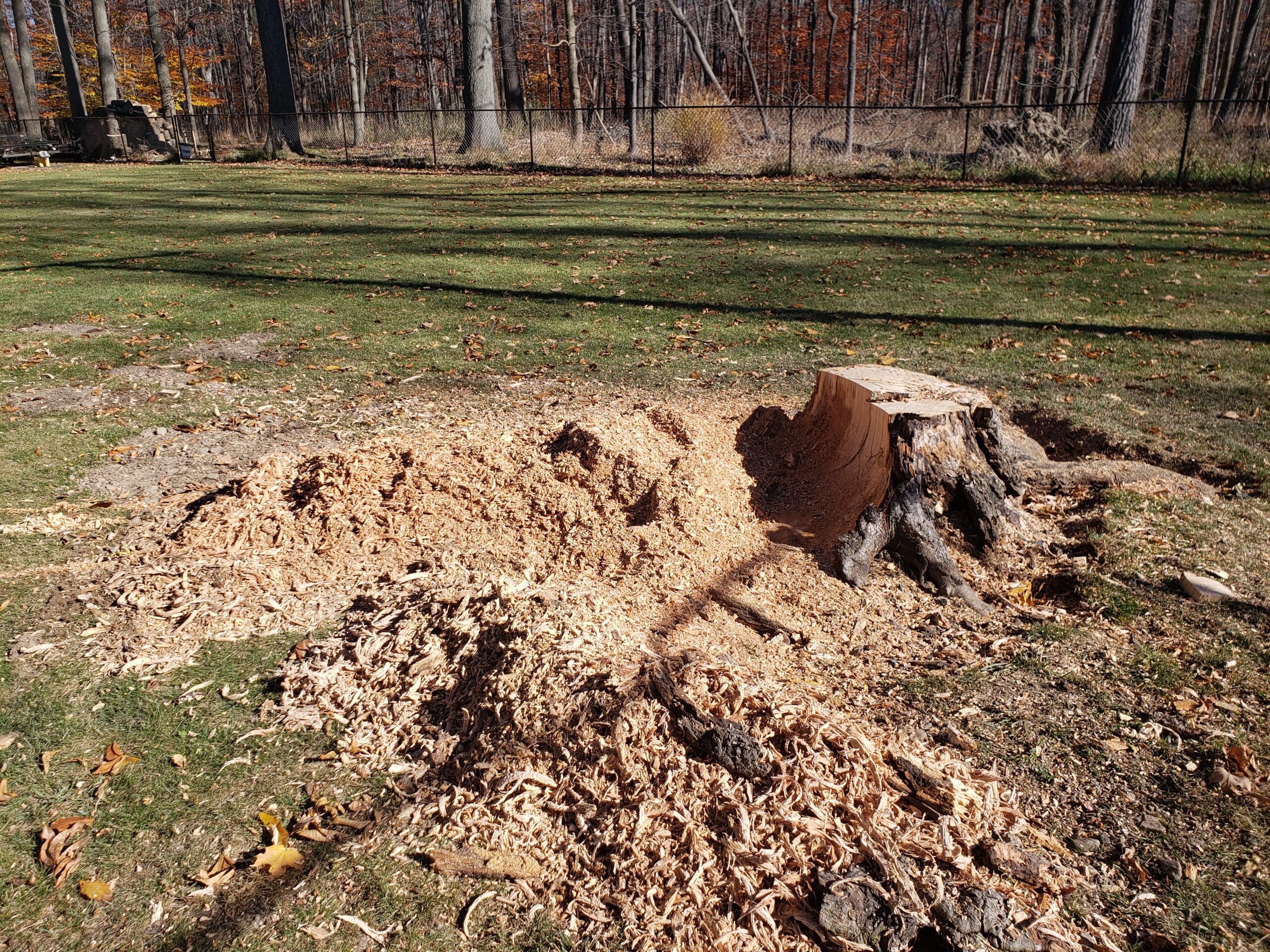
Mulch left after stump grinding doesn’t have to go to waste — it can be reused for soil improvement, landscaping, composting, erosion control, or pathways. —
### 🌳 Five Practical Uses for Stump Grinding Mulch
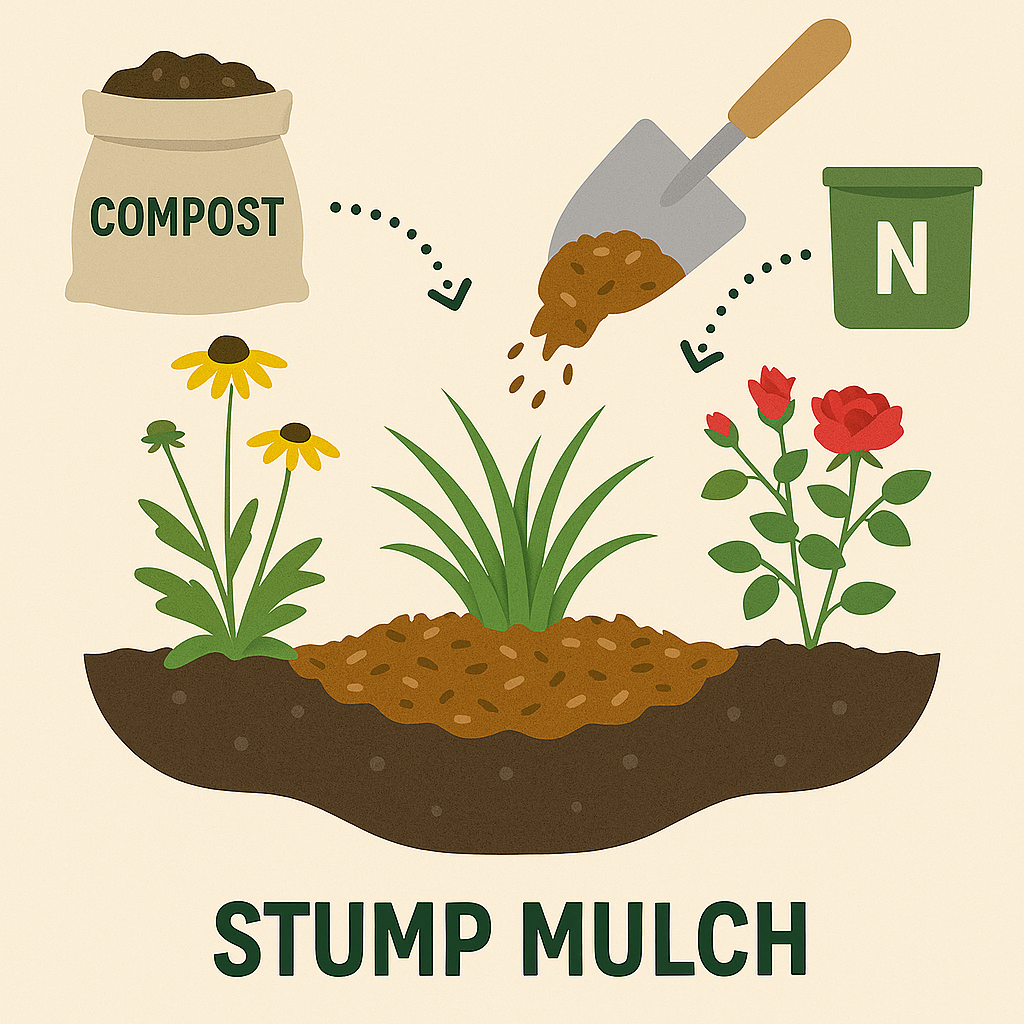
1. **Soil Amendment** – Mix stump mulch into garden beds to improve soil structure. – It helps retain moisture and adds organic matter as it breaks down. – Best used after composting or blending with nitrogen-rich materials to balance nutrients.
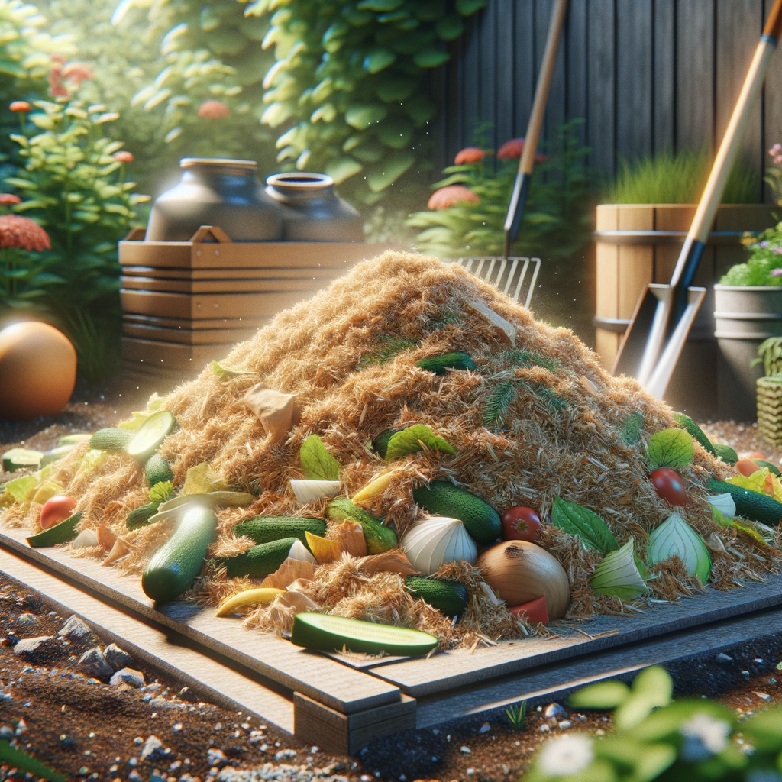
2. **Composting Material** – Add stump grindings to your compost pile. – They provide carbon (“brown” material) that balances food scraps and grass clippings (“green” material). – Over time, this creates nutrient-rich compost for your plants.

3. **Pathways and Trails** – Use stump mulch to create natural-looking garden paths. – It cushions foot traffic, suppresses weeds, and gives a rustic aesthetic. – Works well in informal landscapes or woodland gardens.
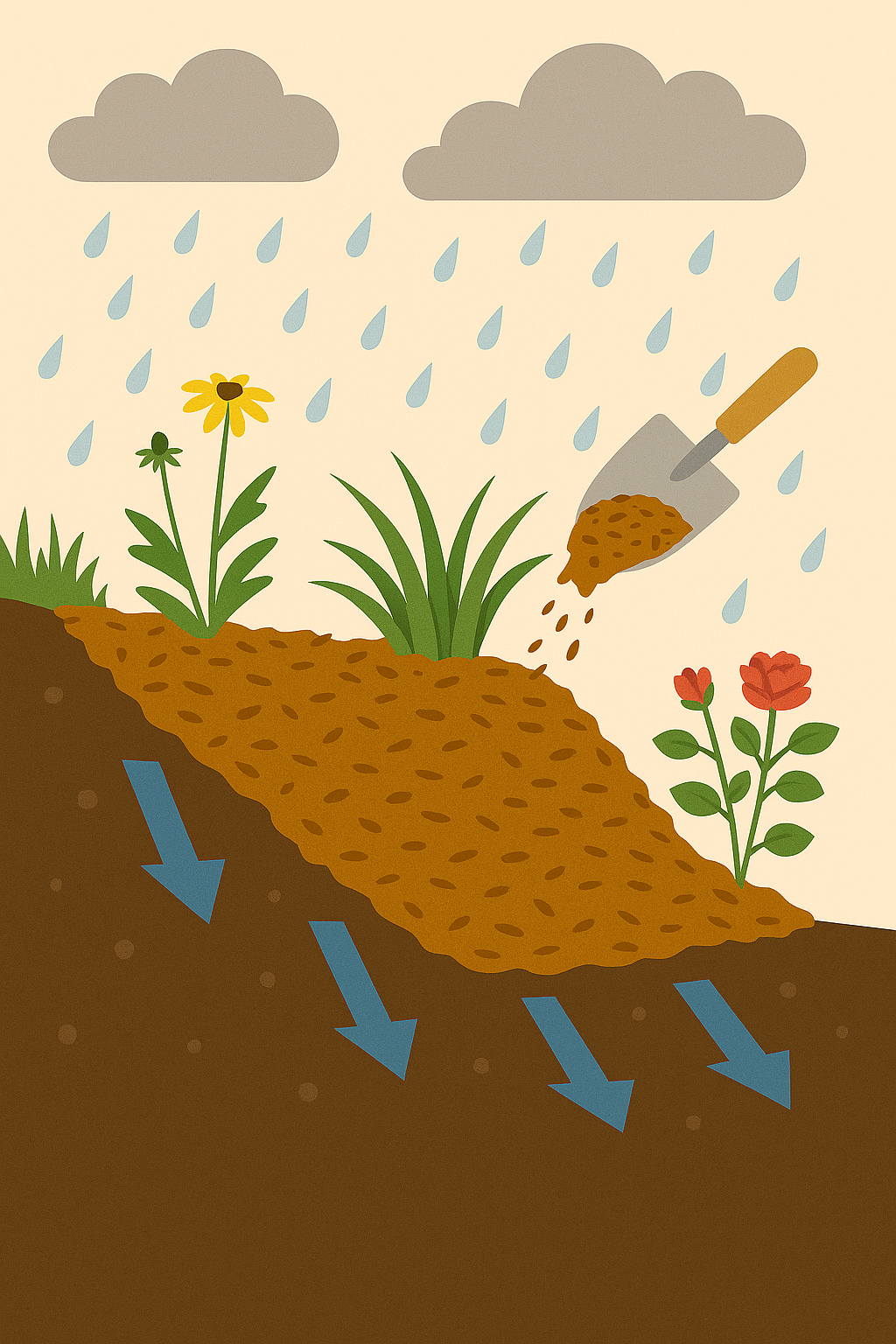
4. **Erosion Control** – Spread mulch on slopes or bare soil to reduce runoff and soil erosion. – The wood chips act as a protective layer, keeping soil in place during heavy rains.
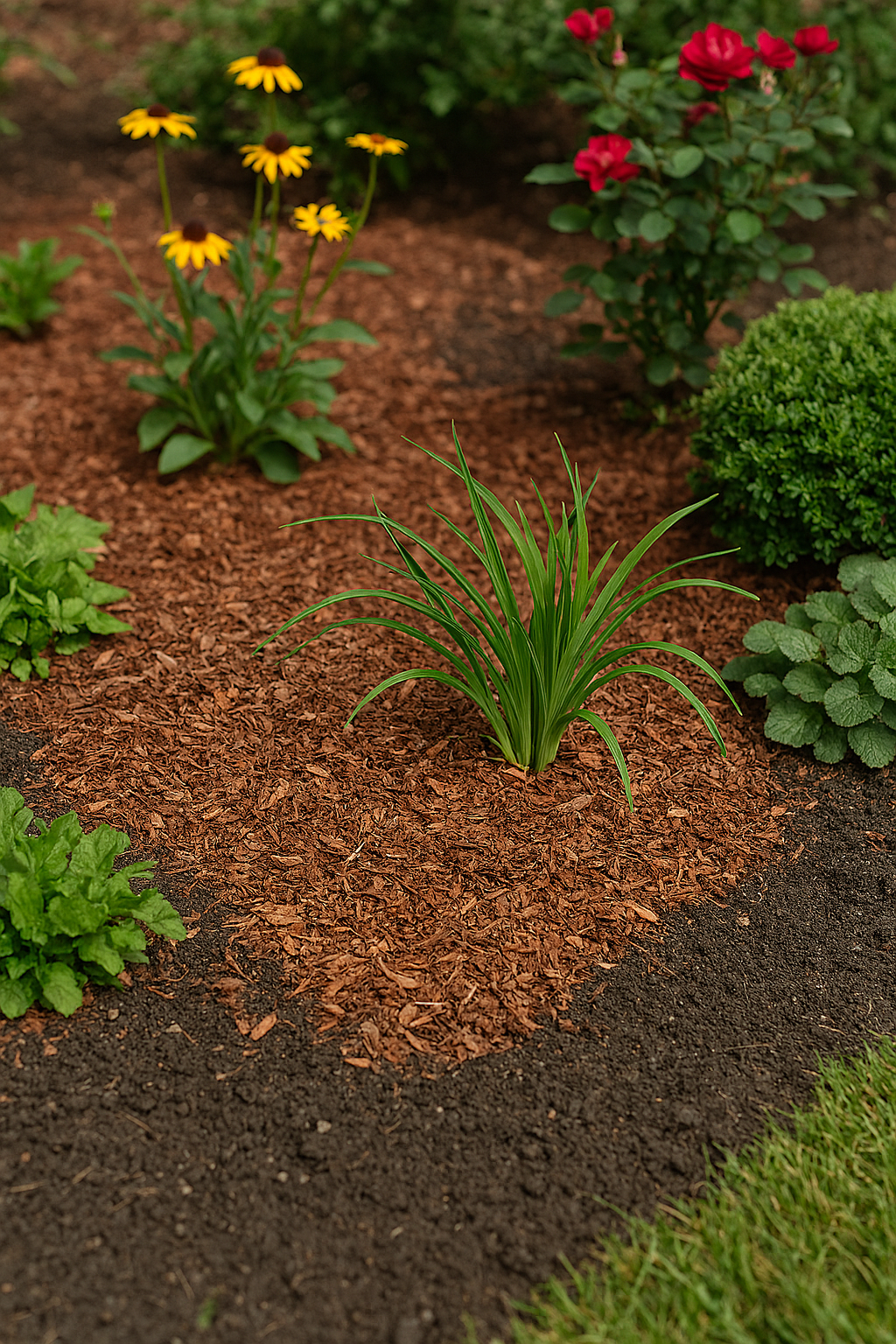
5. **Decorative Landscaping** – Use stump mulch around flower beds, shrubs, or trees as a top layer. – It creates a neat, finished look while insulating roots and conserving water. – Just be cautious: fresh grindings may be acidic, so let them age before applying directly. —

### ⚠️ Things to Keep in Mind – **Fresh stump mulch may contain sawdust and be acidic**, so composting or aging it first is recommended. – **Avoid piling mulch against tree trunks or foundations**, as it can trap moisture and attract pests. – **Mix with nitrogen-rich materials** (like grass clippings or manure) to prevent nutrient lock-up in soil.
### 🌱 Five Landscaping & Soil Health Uses for Stump Mulch
1. **Garden Bed Mulch** – Spread stump mulch over flower beds or around shrubs. – Helps retain soil moisture, regulate temperature, and suppress weeds. – Best if aged or composted first to reduce acidity.
2. **Compost Ingredient** – Mix stump grindings into your compost pile as a carbon‑rich “brown” material. – Balances nitrogen‑rich “greens” like grass clippings or food scraps. – Produces nutrient‑rich compost for healthier soil.
3. **Pathway Covering** – Use mulch to create rustic garden paths or walkways. – Provides a soft surface, suppresses weeds, and blends naturally into the landscape. – Ideal for informal or woodland garden designs.
4. **Erosion Control** – Spread mulch on slopes or bare patches to protect soil from runoff. – The wood chips act as a barrier, keeping soil in place during rain. – Improves long‑term soil stability.
5. **Tree & Shrub Insulation** – Apply mulch in a ring around trees and shrubs (keeping it away from trunks). – Conserves water, insulates roots, and enriches soil as it decomposes. – Encourages healthier, stronger plant growth. —
⚠️ **Tips for Best Results:** – Let fresh stump mulch age or compost before direct use, since it can be acidic. – Mix with nitrogen‑rich materials to avoid nutrient lock‑up. – Avoid piling mulch against tree trunks or foundations to prevent rot and pests.
Manager
0