• (216) 532-9138
  • office@juststumpit.com
  • OHIO

The Brown Recluse Spider, a Tree Stump, and Global Warming: A Hidden Chain Reaction in Our Backyards
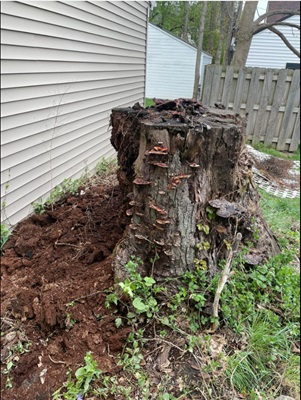
When most people think about climate change, they picture melting glaciers, rising seas, or extreme storms. Few imagine a quiet, rotting tree stump in the corner of a yard — and even fewer imagine that stump becoming a micro‑ecosystem that supports one of North America’s most notorious spiders: the brown recluse.
Yet this is exactly how global warming reshapes our neighborhoods. It works in small, subtle steps, creating new habitats for pests and shifting the balance of local ecosystems. And one of the most overlooked examples is the relationship between warming temperatures, decaying wood, and the spread of venomous insects and spiders.
Pros and cons of stump grinding. An ugly stump takes up useful space. Grinding the stump will help you get rid of it quickly.

Why a Tree Stump Becomes a Pest Magnet

A tree stump isn’t just a leftover piece of wood. It’s a moist, shaded, decomposing habitat — perfect for insects like beetles, termites, ants, and wood‑boring larvae. As the stump breaks down, it becomes:
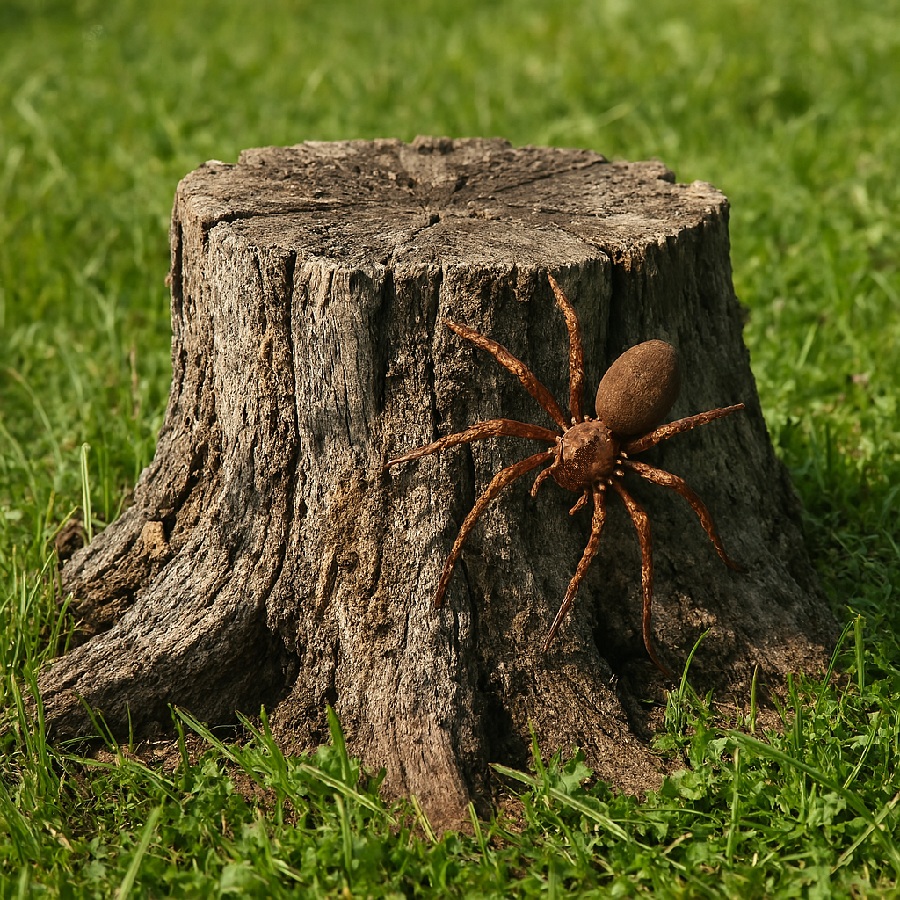
This insect boom attracts predators. And one predator in particular thrives in exactly these conditions: the brown recluse spider.
The Brown Recluse: Why It Loves Stumps
Brown recluses prefer:
The Brown Recluse: Why It Loves Stumps

A stump — especially one hollowing from the inside — checks every box. As insects multiply inside the decaying wood, the recluse moves in to hunt. The stump becomes a quiet, hidden breeding ground, often just a few feet from a home’s foundation.

From there, spiders can wander into:

Not because they’re aggressive, but because they follow prey and stable temperatures.

Global Warming Expands the Recluse’s Territory

Historically, the brown recluse was limited to the central and southern United States. But warming winters and longer warm seasons are changing that.

Climate change creates three major shifts:
A. Warmer winters mean higher survival rates. More spiders and more eggs survive the cold season, increasing population density.
B. Longer warm seasons extend breeding cycles. Recluses can reproduce earlier and remain active later into the year.
C. Expanding habitat range. Regions once too cold for the recluse are now becoming suitable — including parts of the Midwest and Great Lakes region.
This means homeowners in places like Ohio are more likely to encounter species that were once rare here.

The Stump–Spider–Climate Chain Reaction

Put it all together:

A simple stump becomes a climate‑driven pest hub.
Why Homeowners Should Pay Attention.
Brown recluse bites are rare — the spider is shy and avoids confrontation — but when they do occur, they can cause: Painful lesions, Tissue damage, Secondary infections.

A stump isn’t just an eyesore. It’s a climate‑amplified risk factor.

Removing the Stump Breaks the Chain.

Eliminating the stump removes: The insect habitat, The predator shelter, The stepping‑stone pathway toward the home.

Stump grinding also improves soil health, reduces pest pressure, and prevents regrowth — all of which help stabilize the yard’s micro‑ecosystem in a warming climate.

A Small Action With Big Impact.
Climate change can feel overwhelming, but many of its effects start small and local. Managing your yard’s micro‑habitats — especially decaying wood — is one of the simplest ways to reduce pest risks and keep your property safer.
A stump may seem harmless, but in a warming world, it becomes part of a much bigger story.

Leave a Reply

Your email address will not be published. Required fields are marked *

Translate »