• (216) 532-9138
  • office@juststumpit.com
  • OHIO

Proper Planting of Bulbous Flowers After Stump Grinding
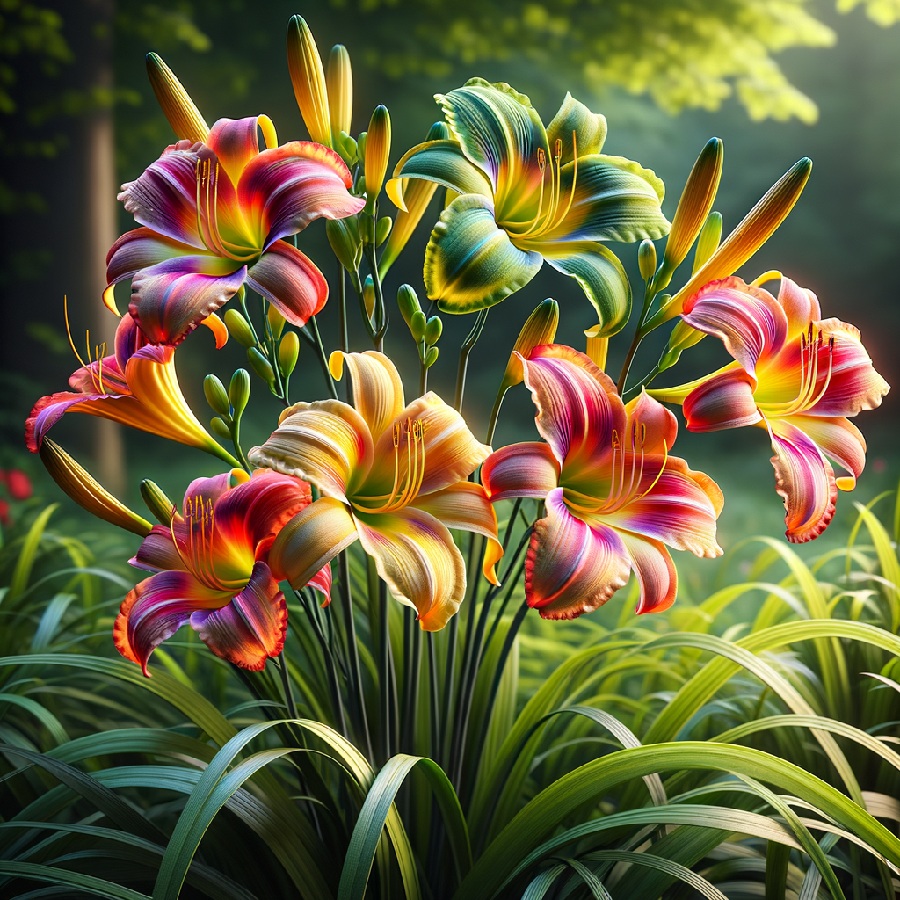
A Simple Guide for Beautiful Blooms 🌷

Bulbous flowers—tulips, daffodils, alliums, hyacinths, lilies, and others—are some of the easiest ways to add vibrant color to your garden immediately after stump grinding. They store everything they need inside their bulbs, making them surprisingly easy to grow, even for beginners. However, a few basic planting rules can make the difference between a spotted arrangement or a stunning spring bloom.
Bulbous flowers—tulips, daffodils, alliums, hyacinths, lilies, and others—are some of the easiest ways to add vibrant color to your garden immediately after stump grinding.

They store everything they need inside their bulbs, making them surprisingly easy to grow, even for beginners. However, a few basic planting rules can make the difference between a spotted arrangement or a stunning spring bloom.

Choose Healthy Bulbs

Start with firm, plump bulbs. Avoid those that appear soft, moldy, or shriveled. Larger bulbs tend to produce more robust blooms, so size matters.

Choose the right location

Prepare the soil

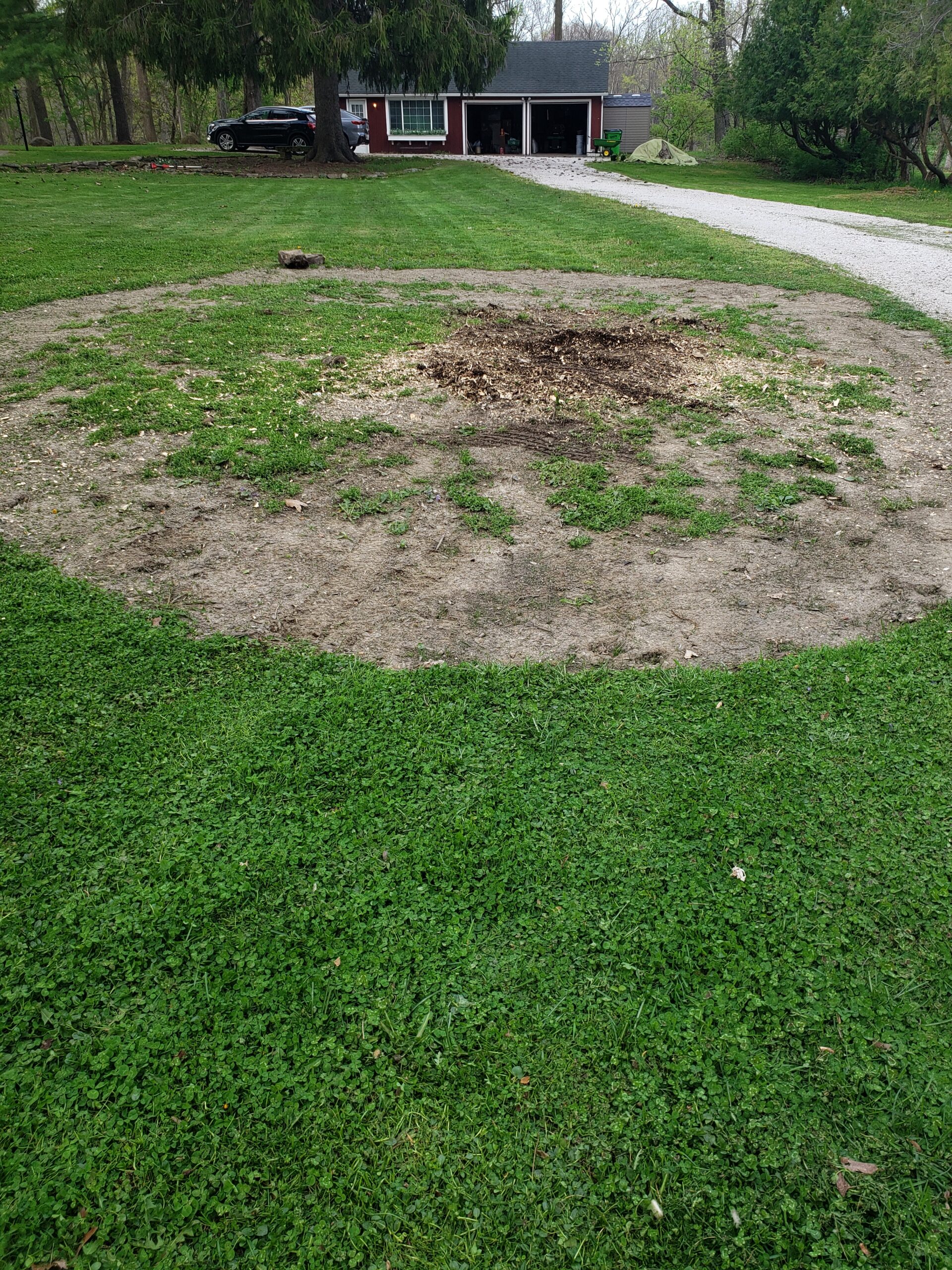
Sometimes you can see circles around a tree, clearly indicating the area of ​​depleted soil. But it's not always so obvious.
Sometimes you can see circles around a tree, clearly indicating the area of ​​depleted soil. But it's not always so obvious.

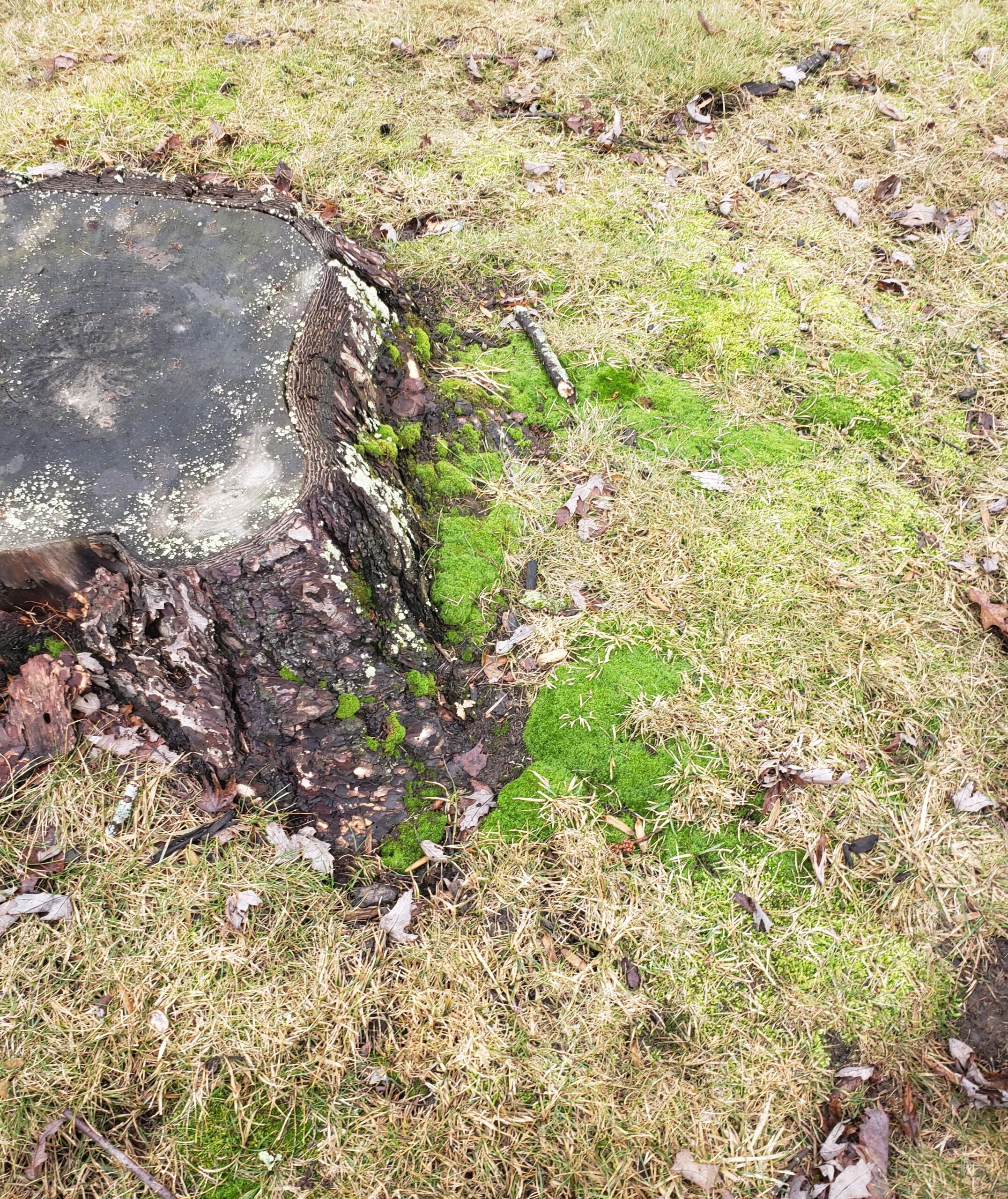
By examining the ground around the stump, you can draw conclusions about the soil's condition. In shady, damp areas, you might see the following picture.

Moss and weakly growing grass are a reliable sign. They often predominate when the soil is acidic and compacted.

Plant at the right depth

A simple rule: Plant bulbs at a depth equal to 2-3 times their height. For example, a 2‑inch bulb should sit 4–6 inches deep.

Plant with the pointed end facing up—that’s where the stem emerges. If you can’t tell, plant it sideways; the bulb will straighten itself.

Give them space

Watering after planting

Water thoroughly once to allow the soil around the bulbs to settle. After this, bulbs planted in the fall don't require much moisture—rain and snow are usually sufficient. Spring bulbs require regular watering as they grow.

Fertilizing for future years

To encourage repeat flowering, apply a slow-release fertilizer for bulbous plants in early spring, once shoots emerge. After flowering, allow the foliage to yellow naturally—this will allow the bulbs to regain their strength for next year.

Use stump mulch to create natural-looking garden paths. – It cushions foot traffic, suppresses weeds, and gives a rustic aesthetic. – Works well in informal landscapes or woodland gardens.

Wishing you success as your flowers take root and thrive — may every bulb reward you with color and joy this season. Share your progress or questions in the comments; I’d love to hear how your garden is growing. 🌱

Leave a Reply

Your email address will not be published. Required fields are marked *

Translate »