• (216) 767-6323
  • office@juststumpit.com
  • OHIO

Is Your Tree in Trouble? What the Red Legged Lanternfly Outbreak Means for Homeowners
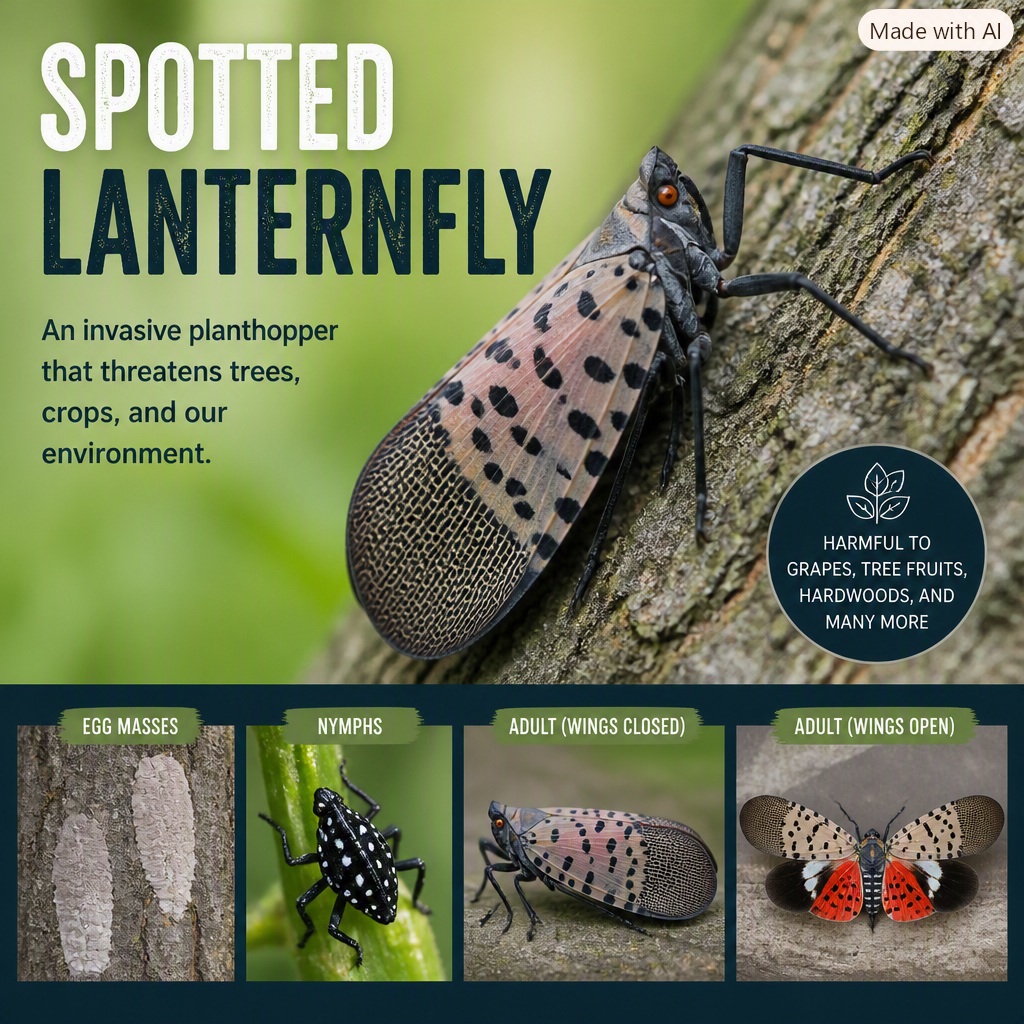
Last year’s red legged lanternfly outbreak in Cleveland caught many homeowners off guard. Entire neighborhoods saw trees dripping sap, covered in black sooty mold, and swarmed by insects. For some properties, the damage was so severe that trees became dangerous, unstable, and had to be removed before they collapsed.

If you’re wondering whether your own trees might be at risk, here’s a quick, friendly guide to what this invasive pest does — and the warning signs that a tree may be dying or becoming hazardous.

Last year’s red legged lanternfly outbreak in Cleveland caught many homeowners off guard. Entire neighborhoods saw trees dripping sap, covered in black sooty mold, and swarmed by insects. For some properties, the damage was so severe that trees became dangerous, unstable, and had to be removed before they collapsed.

What the Lanternfly Does to Trees

The red legged lanternfly (also known as the spotted lanternfly) feeds by tapping directly into a tree’s sap. When hundreds or thousands gather on a single trunk, the stress adds up fast.
Sap loss weakens the tree’s ability to transport nutrients. Weeping bark and sticky residue appear where insects feed. Honeydew and sooty mold coat the bark, leaves, and anything beneath the tree. Long term decline sets in, especially in maples, walnuts, birch, willow, and grapevines.
During the Cleveland outbreak, many trees showed rapid decline within weeks — and some became structurally unsafe.
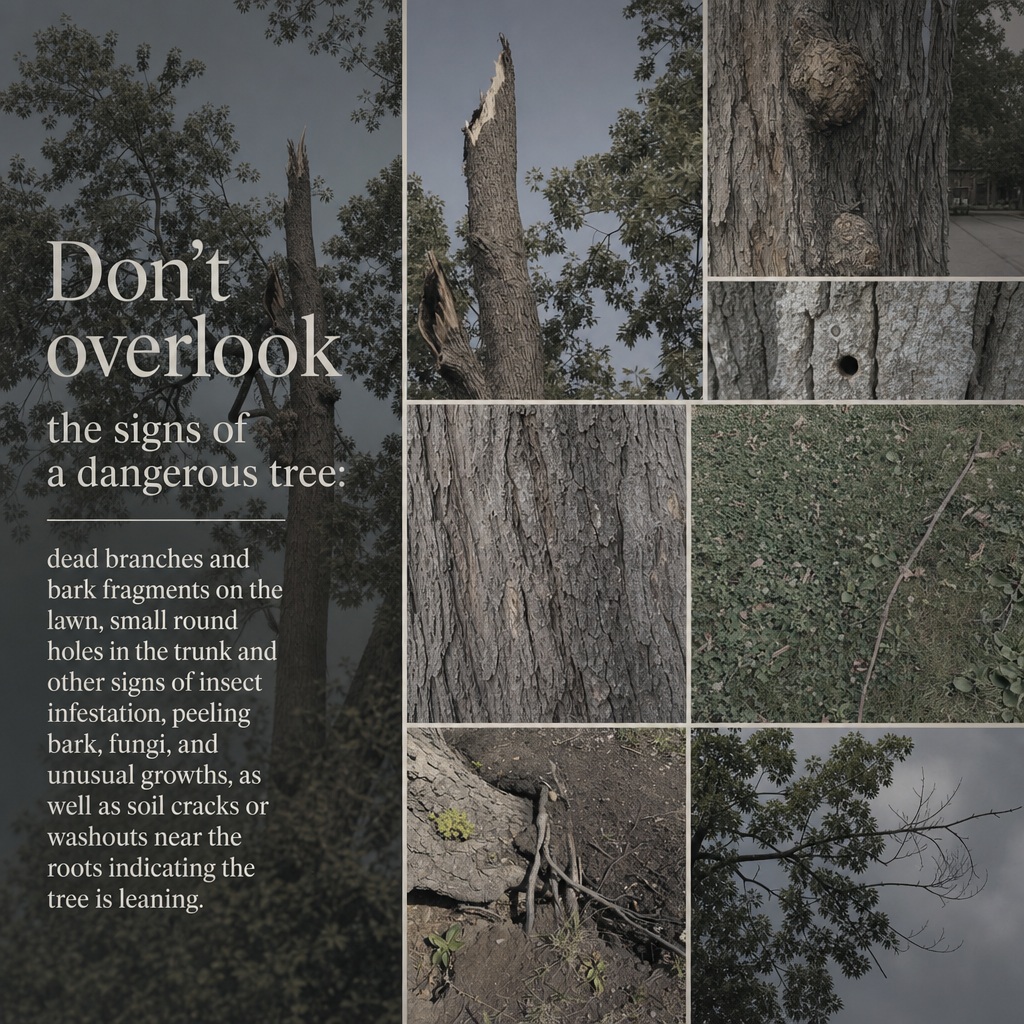
Signs Your Tree May Be Dying or Becoming Dangerous

Even if you haven’t seen lanternflies yet, the damage they cause looks similar to other serious tree health issues. Watch for:

Dead branches dropping unexpectedly Peeling or missing bark Mushrooms or fungi growing on the trunk or roots Sticky honeydew or black sooty mold Small round holes from insect feeding Cracked or shifting soil around the base A new lean that wasn’t there before Any of these can indicate a dangerous tree, and several together often mean the tree is at risk of falling.

Any of these can indicate a dangerous tree, and several together often mean the tree is at risk of falling.

Dead branches dropping unexpectedly
Peeling or missing bark
Mushrooms or fungi growing on the trunk or roots
Sticky honeydew or black sooty mold
Small round holes from insect feeding
Cracked or shifting soil around the base
A new lean that wasn’t there before

Why Acting Early Matters
A weakened tree doesn’t always wait for a storm. Many of the trees affected during the Cleveland lanternfly outbreak failed on calm days — snapping, dropping limbs, or uprooting without warning.
If you spot signs of infestation or decline, it’s worth getting the tree checked before it becomes a hazard. Early removal can prevent property damage and keep your yard safe.
0 0 votes
Article Rating
Subscribe
Notify of
guest

0 Comments
Oldest
Newest Most Voted
Translate »
0
Would love your thoughts, please comment.x
()
x