How to Build a Pond in Place of a Tree Stump
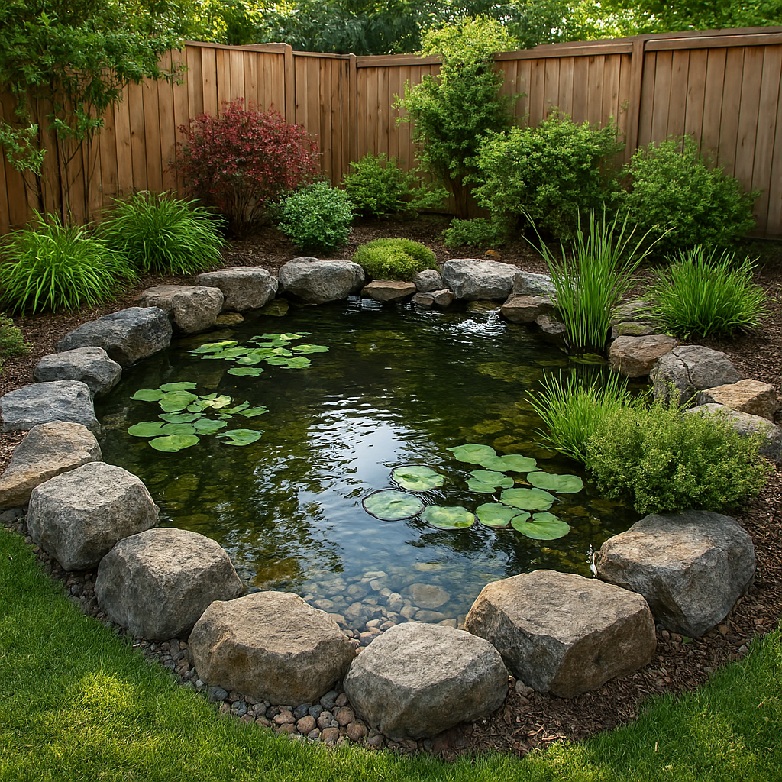
Transforming an old stump into a small backyard pond is one of those rare projects that turns a problem spot into a peaceful, eye catching feature.
Instead of staring at a decaying stump or fighting off sprouts every spring, you can reclaim the space with water, movement, and life. Here’s how to do it safely, beautifully, and with long lasting results.
1. Remove the Stump Properly
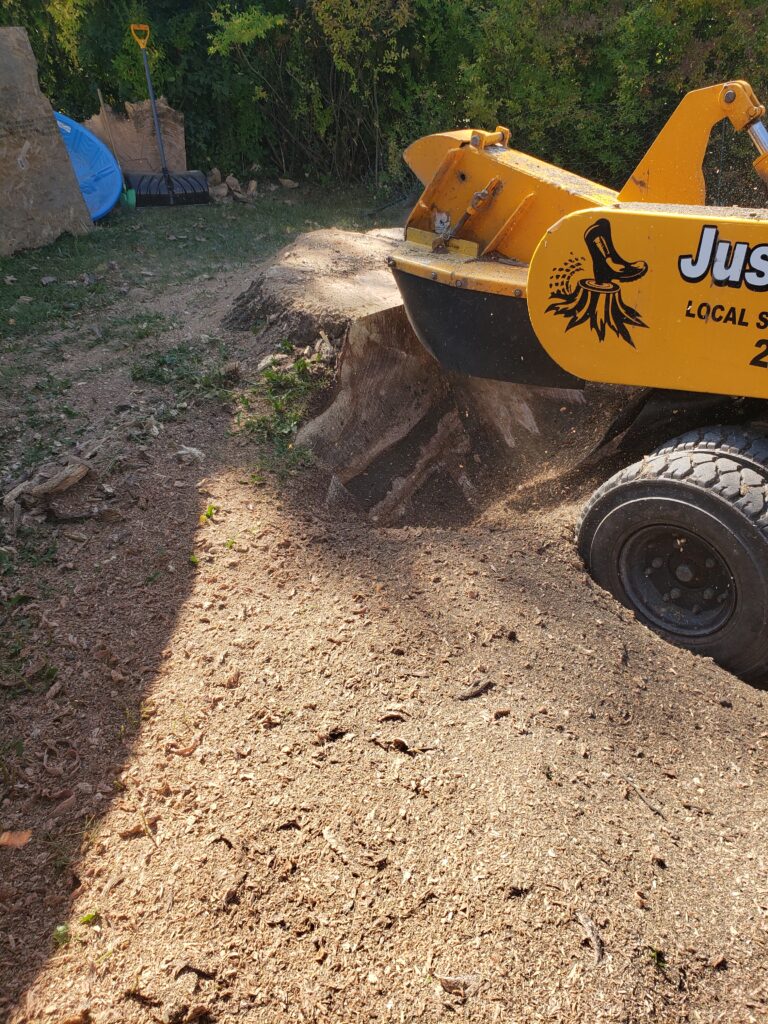
Before you begin building the pond, the tree stump must be fully removed. Ideally, choose a stump from a tree without deep, heavy roots. The entire surface root system needs to be taken out — just specify the size of the area that should be cleared.
Grind the stump down thoroughly and remove all major surface roots so you’re starting with clean, stable, level soil.
A pond depends on firm, compacted soil, but decaying roots create air pockets that lead to sinking ground and potential leaks.
2. Shape the Pond Basin
After grinding the stump, remove all the soil mixed with sawdust. You will be left with a natural depression. Deepen and widen it to the size you want:
- Depth: 18–24 inches for a simple wildlife pond; 30+ inches if you want fish.
- Shape: Gentle slopes look natural and prevent soil collapse.
- Edges: Create a small shelf around the perimeter for plants and stones.
3. Compact the Soil
This step is crucial. If you skip compaction, your pond liner will shift and stretch.
- Wet the soil lightly.
- Tamp it down with a hand tamper or the flat side of a shovel.
- Add a thin layer of sand to create a smooth, cushiony base for the liner.
4. Install the Pond Liner
A flexible EPDM liner works best for small backyard ponds.
- 1. Lay the liner over the basin, leaving generous overlap around the edges.
- 2. Press it into the contours without stretching.
- 3. Add a protective underlayment if your soil has roots or stones.
- 4. Place a few smooth rocks inside to hold the liner in place.
- Trim the excess only after the pond is filled and settled.

5. Build the Edges
This is where the magic happens — the edges make the pond look intentional, not improvised.
- Use flat stones, river rock, or driftwood to hide the liner.
- Create a natural-looking border with plants and mulch.
- Leave one shallow “beach” area for birds and pollinators to drink safely.
6. Add Plants and Water
Fill the pond slowly so the liner settles evenly. Then introduce plants that help keep the water clear and lively:
- Floating plants: water lettuce, duckweed
- Marginals: iris, pickerel rush, marsh marigold
- Oxygenators: hornwort, anacharis
- Plants do the filtering, shading, and balancing for you — no complicated equipment needed for a small wildlife pond.
7. Let Wildlife Move In
Tell us your vision!
If you had an old stump in your yard, would you turn it into a peaceful little pond, a wildlife corner, or something totally different? Share your ideas in the comments — your creativity might inspire someone else’s backyard transformation.