• (216) 532-9138
  • office@juststumpit.com
  • OHIO

Can I plant a new tree after stump grinding?
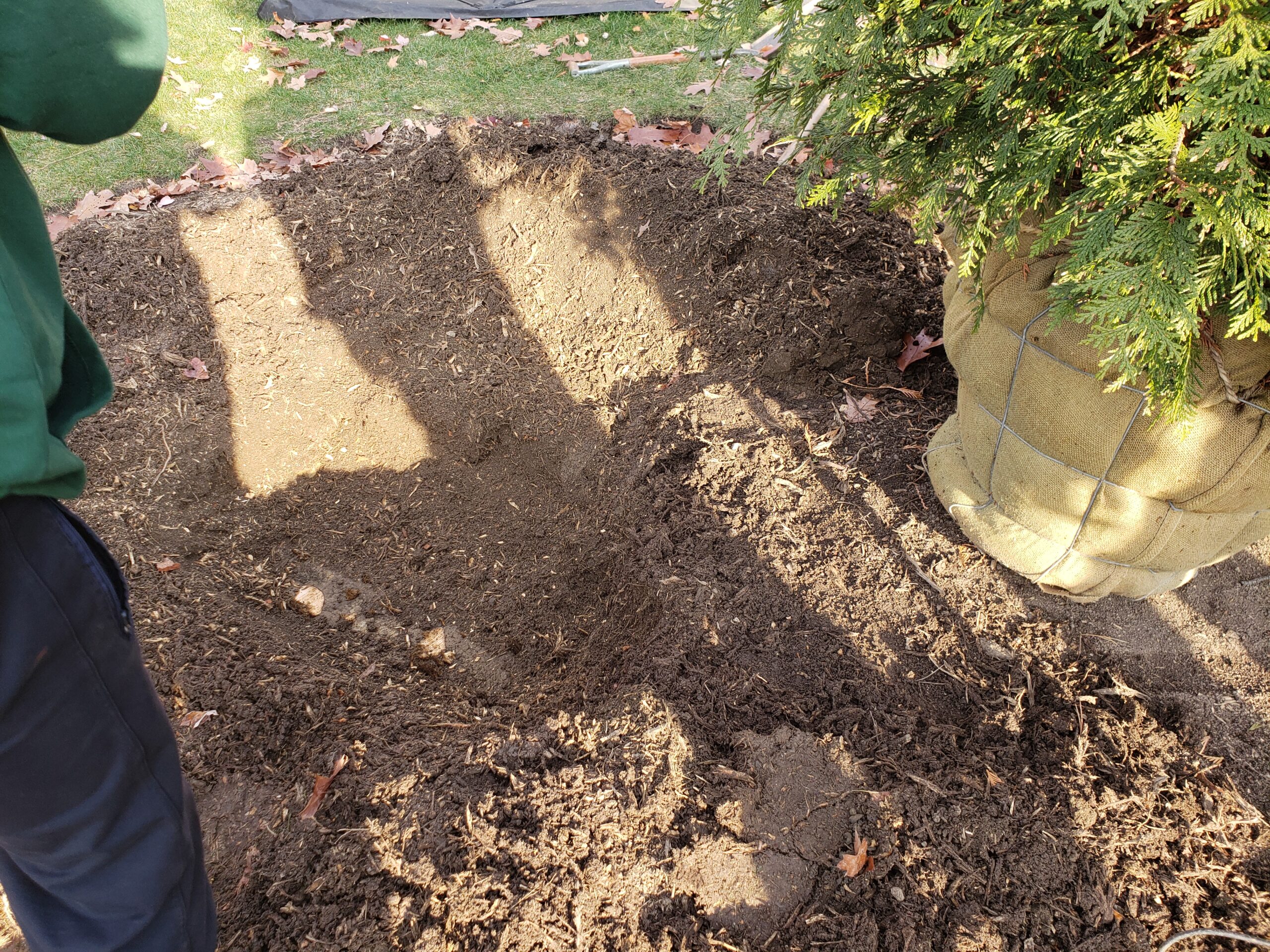
🌳 Step-by-step instructions for preparing the soil after grinding a stump.

A seedling and a planting hole that is not deep enough.

1. Estimate how deep the hole should be for planting the new tree.

Check the depth and width of the root ball of the seedling. Grinding the stump loosens the soil to a depth of 12 inches. Deeper may leave root clippings, which will greatly complicate planting.
2. Remove wood chips and debris.

Use a rake or shovel, but don't overdo it. Why: Fresh wood chips decompose slowly and draw nitrogen from the soil, which is necessary for the growth of new trees. Conversely, a small amount of leftover wood chips will have a positive effect on soil structure.

3. Add soil amendments.

Incorporating compost, well-rotted manure, or organic fertilizers will help compensate for the absorption of nitrogen and phosphorus by fresh sawdust and restore soil fertility. Adding commercial fertilizers will also be beneficial. Mulching will improve aeration, and organic fertilizers will balance nutrients and promote healthy seedling growth.

4. Fill the hole with high-quality topsoil.

Add fresh soil to compensate for the volume lost during stump removal, if needed.

5. Be patient.

Let the soil rest and stabilize. Allow the soil to compact and normalize nutrient levels for a few weeks before planting. This will give microbes time to break down wood debris and balance the pH.

6. Check drainage.

Water the area and observe how quickly it drains. If water accumulates, add sand to improve drainage. Good drainage prevents root rot in your new tree.

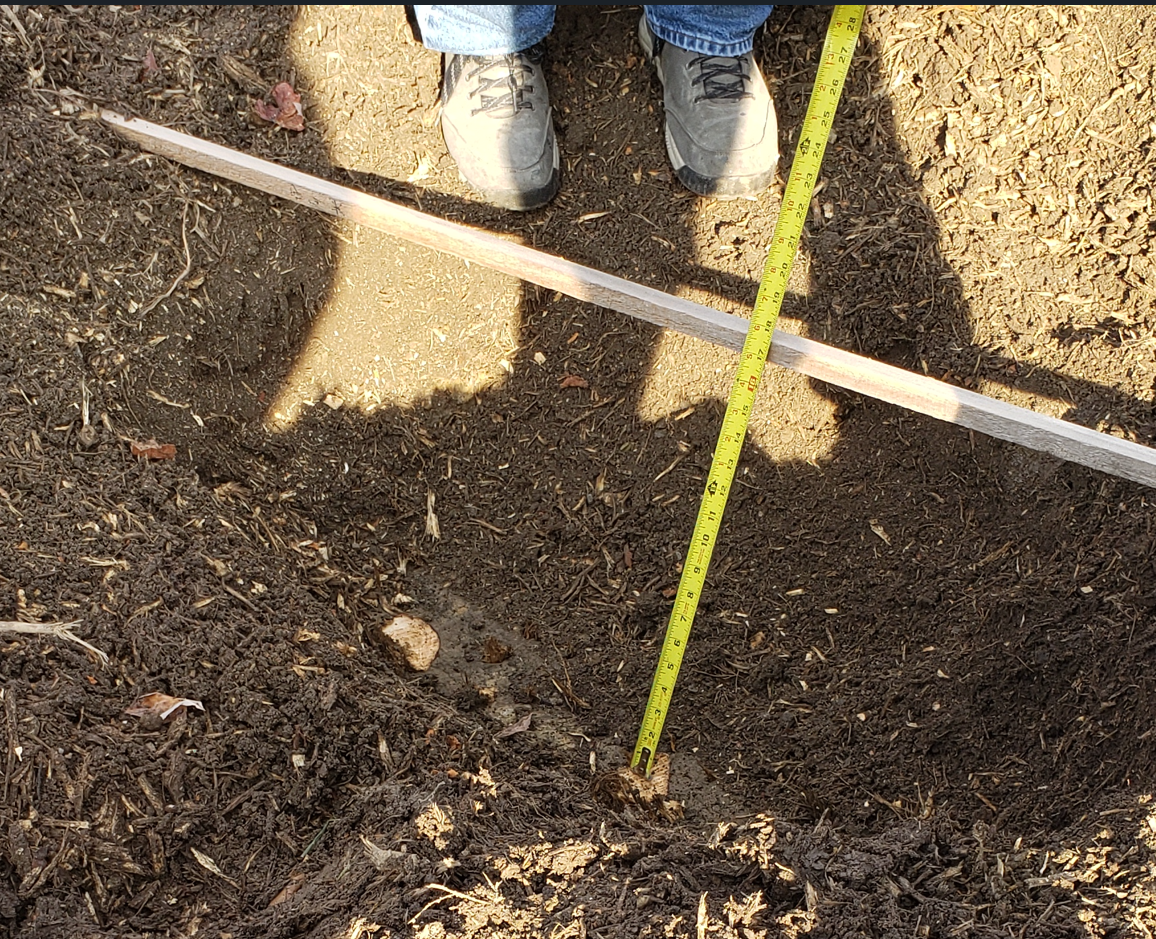
The hole for the seedling is 17 inches deep.

7. It’s time to plant the new tree.

Dig a hole twice as wide as the root ball, but no deeper than its height. Position the tree, fill with tilled soil, and water thoroughly. Mulch the base (but not the trunk) to retain moisture and suppress weeds.

Main Risks and Advice

If the stump was large, the soil is likely severely depleted, and it's wise to wait a year or two for it to stabilize. In this case, removing the sawdust is not necessary; it will decompose on its own and enrich the soil with the micronutrients it contains.

Sometimes, the area where the stump used to be is better suited for small shrubs with shallow root systems. They are less dependent on soil quality. Grass grows well in areas where the stump has been ground down. Restoring the lawn is the simplest solution.

Summary:

Soil preparation after stump grinding includes removing excess wood chips.

Restoring nutrient levels.

Ensuring proper drainage. With the right approach, your new tree will quickly take root and become strong.

Wishing you all the success in bringing your new plants to life. If you’re unsure about anything along the way, drop your questions in the comments — I’m always happy to help you grow a beautiful yard. 🌱

Just Stump It
team

Leave a Reply

Your email address will not be published. Required fields are marked *

Translate »