Why Removing Old Trees Is Essential for a Safe, Healthy Yard?

Trees add beauty, shade, and value to your property—but as they age, their benefits decline while their risks increase. Old or declining trees can become unstable, attract pests, damage infrastructure, and even disrupt the health of your entire landscape. Removing them proactively protects your home, your family, and the long term vitality of your yard.
Below are the key reasons why removing old trees is a necessary part of responsible property care.
🍂 1. Old Trees Become Structurally Unstable
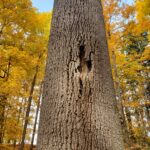
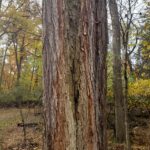
Age, disease, insects, and weather all weaken a tree’s structure. Even a tree that looks “fine” from the outside may be hollow, brittle, or compromised inside.
- Warning signs include:
- Deep cracks or cavities
- Dead or dropping branches
- Leaning trunks
- Mushrooms or fungal growth at the base
- Bark peeling or falling off


🏠 2. They Pose a Serious Risk to Homes and Property

A falling tree can cause thousands of dollars in damage in seconds. Roofs, fences, garages, vehicles, and power lines are all vulnerable. Insurance may help with the aftermath, but it won’t cover the stress or disruption.
Removing an old tree before it falls is always cheaper—and safer—than dealing with the damage afterward.
🐜 3. Old Trees Attract Pests and Disease
Aging trees often become hosts for: carpenter ants, borers, fungal infections, wood decaying organisms. These pests spread quickly, threatening nearby trees and even your home’s structure.
💧 4. Old Trees Lose Their Ability to Transpire This is a big one—and most homeowners never hear about it.
This is a big one—and most homeowners never hear about it. As trees age, their vascular system becomes less efficient, reducing their ability to move water from the soil up through the canopy. This means:
- Less moisture pulled from the ground
- Reduced cooling effect on the yard
- Slower nutrient cycling
- Higher soil moisture content after rains or spring snowmelt
- Increased risk of fungal growth around the base
5. Winter and Storm Seasons Make Old Trees Even More Dangerous
In Northeast Ohio, winter is especially hard on aging trees. Heavy snow, ice, and high winds expose weaknesses that may not be visible in fair weather. Removing hazardous trees before winter storms is one of the smartest preventative steps you can take.