• (216) 532-9138
  • office@juststumpit.com
  • OHIO

The Role of Plant Age in Biodrainage
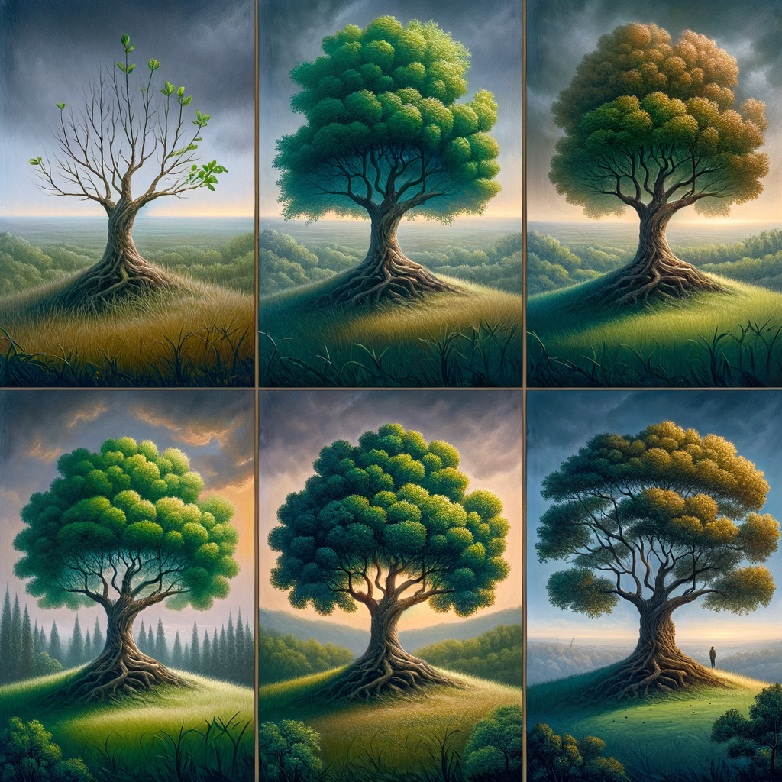
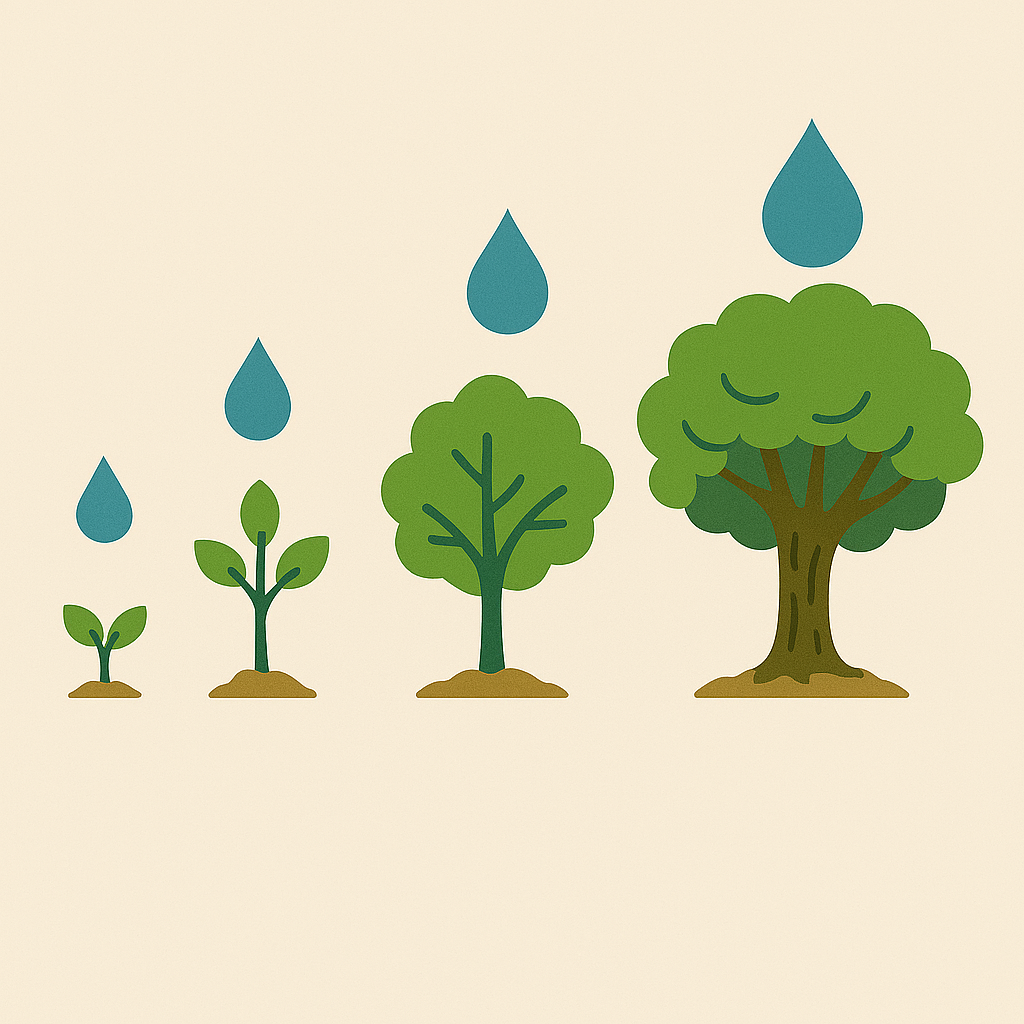
Some species naturally use far more water than others. Together, these traits allow certain trees and shrubs to significantly reduce soil moisture and lower groundwater levels over time.
Plant age is one of the most important—and most overlooked—factors in biodrainage success.

Young Plants (0–3 years)

Still establishing roots. Low water use. Minimal impact on groundwater.

Adolescent Plants (3–10 years)

Rapid canopy expansion. Deepening root systems. Noticeable improvement in wet areas.

Mature Plants (10–30+ years)

Peak water‑use capacity. Maximum groundwater‑lowering effect. Most valuable stage for biodrainage.

Aging Plants (30–50+ years)

Canopy thins. Transpiration declines. Effectiveness gradually decreases.

There is **no fixed “expiration date”** for biodrainage plants, but their effectiveness follows a predictable curve tied to age, canopy size, and root vigor. The goal is to replace a plant **before** its water‑use capacity declines.

Biodrainage is strongest when trees are in their mature growth phase. Replacing declining trees ensures the system stays effective for decades.

Wishing you all the best with your landscaping project—may your vision take root and thrive! If you’ve got tips, stories, or questions to share, we’d love to hear them. Drop a comment and join the conversation!

Leave a Reply

Your email address will not be published. Required fields are marked *

Translate »