Understanding Tree Cankers in Ohio: Causes, Risks, and How to Protect Your Trees
Tree cankers are a growing concern across Ohio, especially in urban and suburban landscapes like Parma Heights. These localized bark infections—often caused by fungi, bacteria, or environmental stress—can lead to branch dieback, structural weakness, and even tree death if left untreated.
Tree Cankers in Ohio: Causes, Symptoms, and Prevention
What Is a Tree Canker?
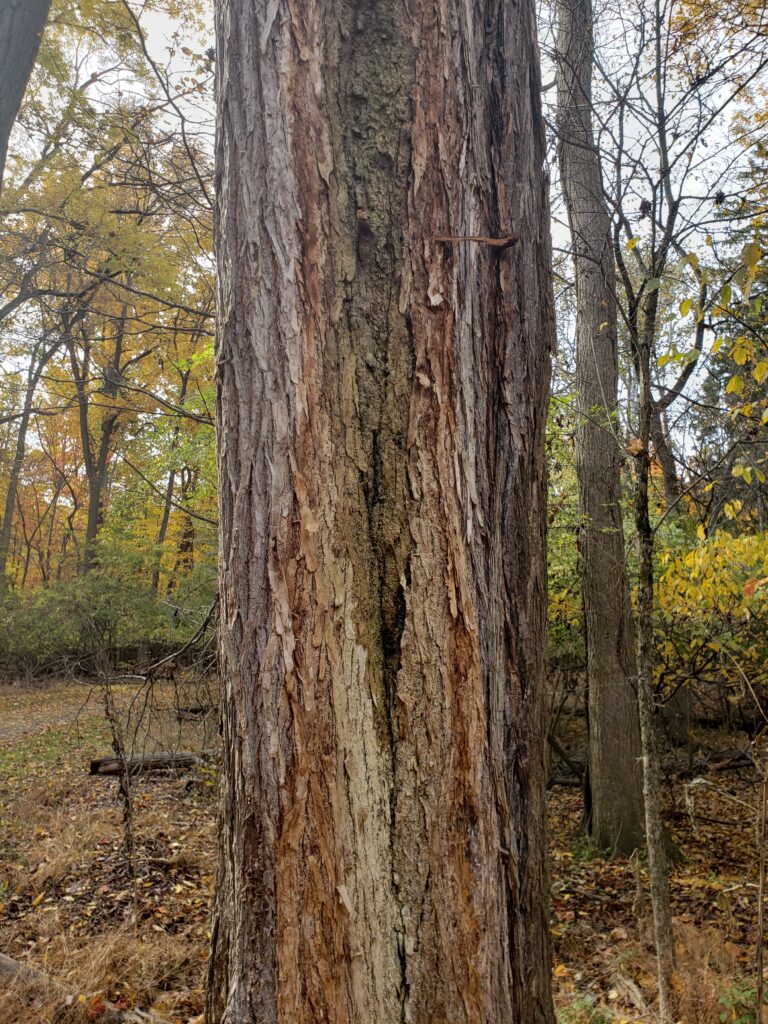
A canker is a **sunken, dead area of bark and underlying tissue on a tree’s trunk, limb, or twig. It disrupts the tree’s ability to transport water and nutrients, and when severe, can girdle branches or the main trunk—leading to dieback or total failure.
Cankers may appear as:
– Discolored or sunken bark patches
– Oozing sap or gum
– Fungal fruiting bodies (mushrooms or crusts)
– Cracks or splits in bark
– Callus tissue forming around old wounds
Common Causes in Ohio
Ohio’s climate and tree diversity make it vulnerable to several types of canker-causing agents:
1. Fungal Pathogens
– Cytospora canker (affects spruce, peach, and poplar)
– Nectria canker (targets maple, beech, and birch)
– Hypoxylon canker (common on oaks)
– Botryosphaeria canker (seen on cherry, pear, and dogwood)
These fungi often invade through wounds caused by pruning, frost cracks, or storm damage.
2. Bacterial Infections
– Bacterial canker on cherry and plum trees causes sunken lesions and twig dieback.
– Spread through insect feeding sites, pruning cuts, or mechanical injury.
3. Environmental Stress
– Drought, frost, sunscald, and pollution weaken trees, making them more susceptible to opportunistic infections.
4. Insect Damage
– Borers and beetles create entry points for pathogens.
– Walnut twig beetle spreads Thousand Cankers Disease, a serious threat to black walnut trees in Ohio.
Trees at Risk in Northeast Ohio
– Maples, cherries, and pears are prone to branch cankers.
– Oaks and walnuts face heart-rot and Thousand Cankers Disease.
– Spruce and pine suffer from Cytospora and pitch cankers.
Prevention and Management
– Prune during dry weather to reduce infection risk.
– Avoid wounding trees with lawn equipment or improper trimming.
– Remove infected branches promptly and dispose of them away from healthy trees.
– Improve tree vigor with proper watering, mulching, and fertilization.
– Consult a certified arborist for diagnosis and treatment options.
Tree cankers are more than cosmetic blemishes—they’re warning signs of deeper health issues. If you spot symptoms in your yard, especially on ornamental or shade trees, early action can prevent costly removals and protect nearby vegetation.