What kind of bushes can be planted immediately after tree stump grinding in Cleveland, Ohio?
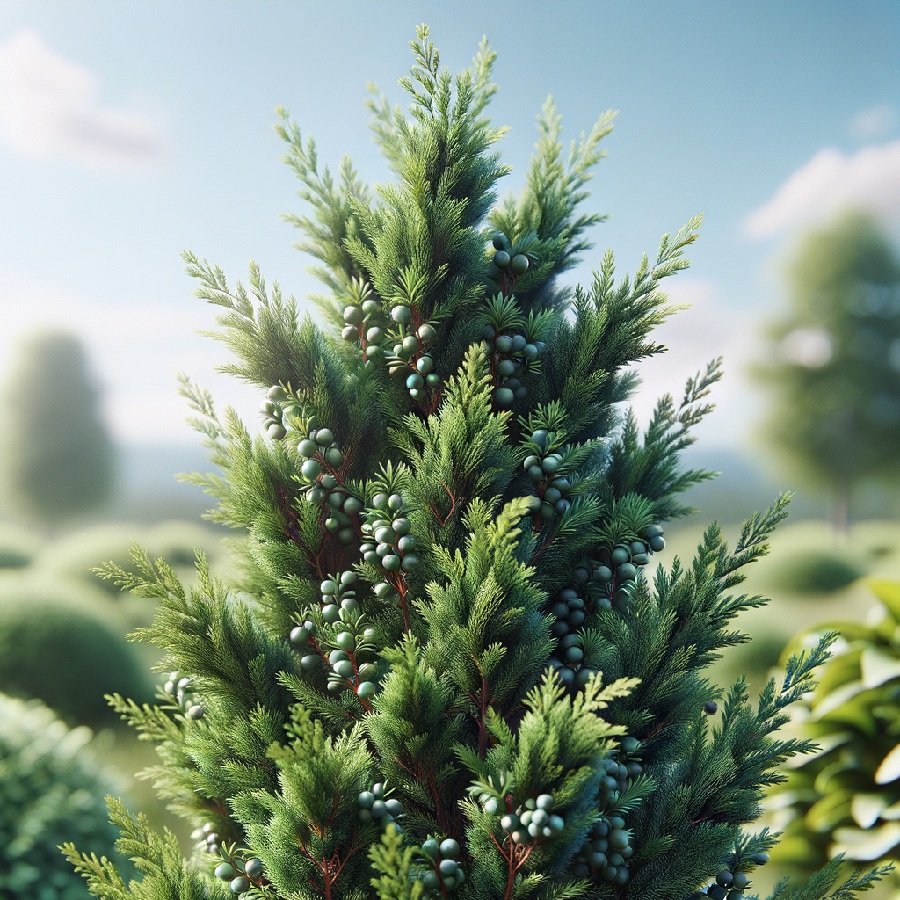


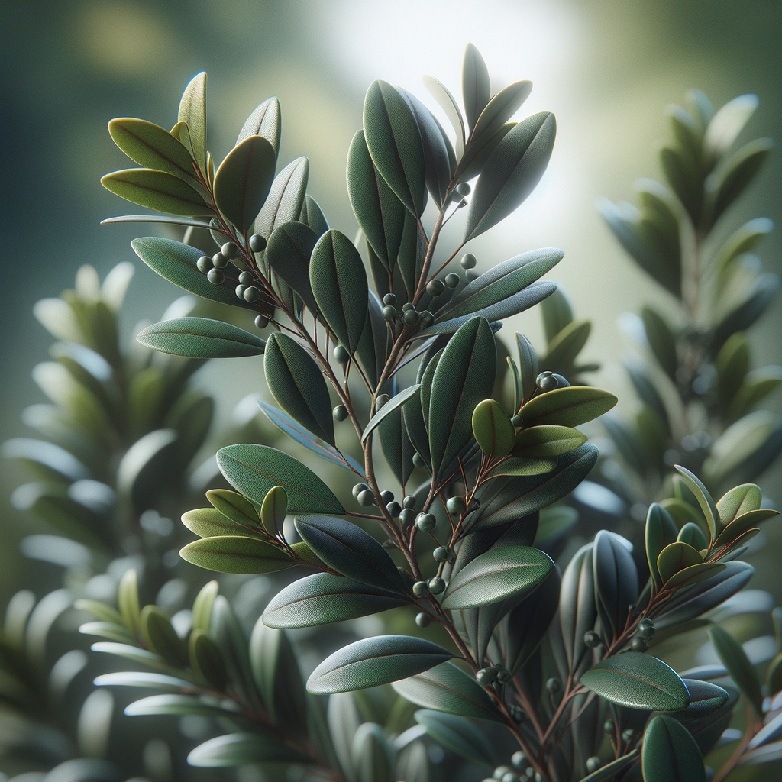
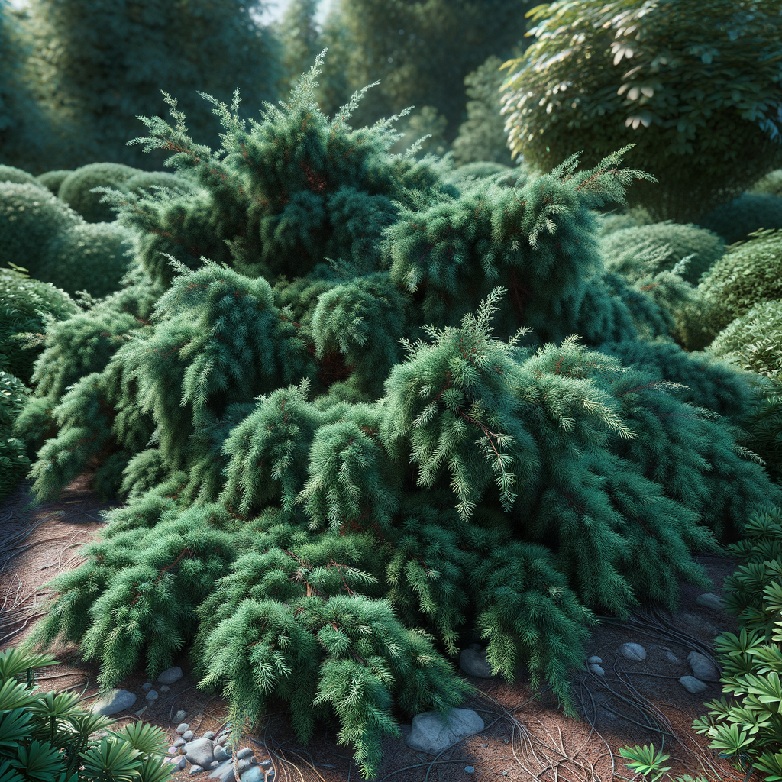
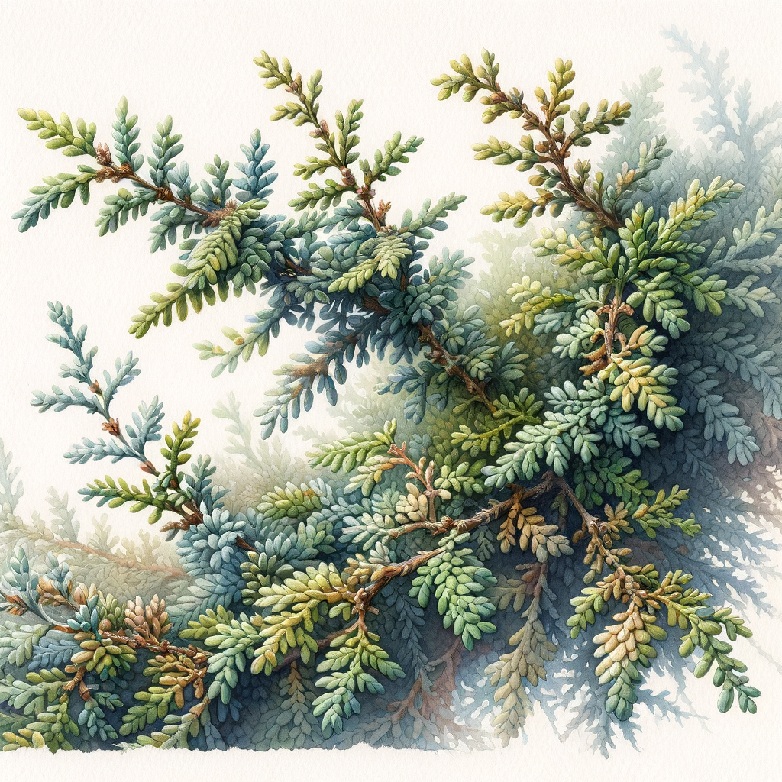
Creeping Juniper – wildlife-friendly, salt-tolerant, great for tough spots.
Creeping juniper thrives in loose, poor soil because its fibrous roots spread wide, anchoring easily in sandy or disturbed ground. It evolved for rocky slopes, needs little nutrients, and shrugs off drought thanks to its tough, waxy foliage.
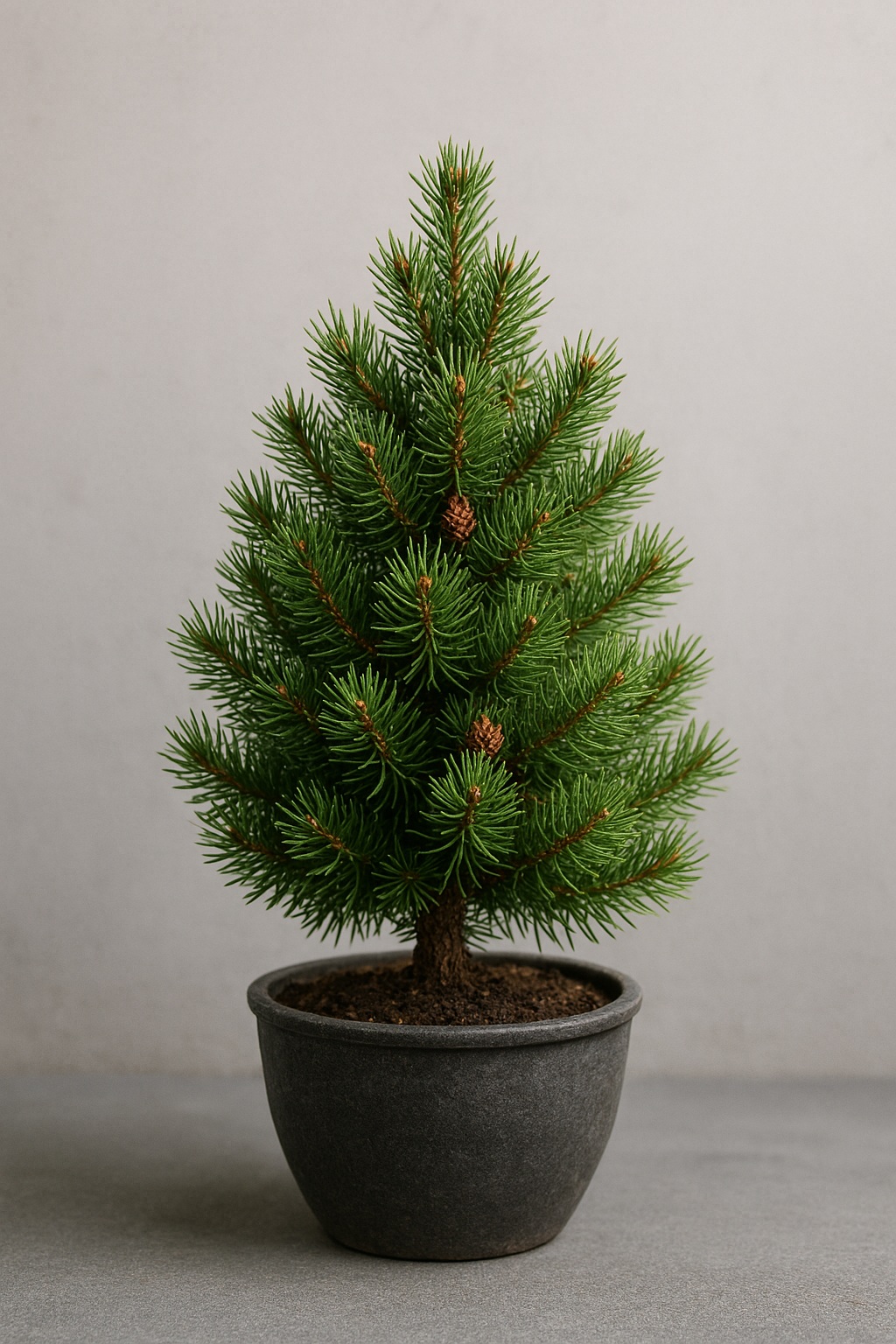
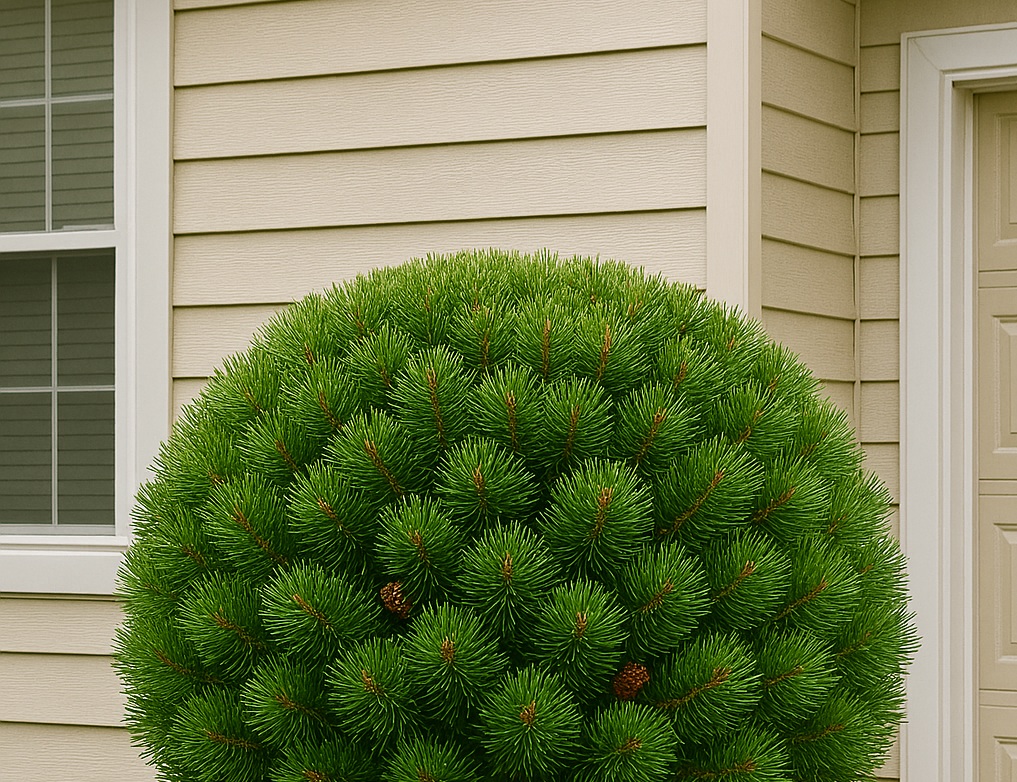
Mugo Pine – slow-growing evergreen, thrives almost anywhere.
Mountain pine thrives in poor soil because it evolved on rocky, nutrient‑thin slopes. Its deep, sturdy roots anchor well in loose ground, and its tough needles conserve moisture, letting it handle drought, wind, and low fertility with ease.
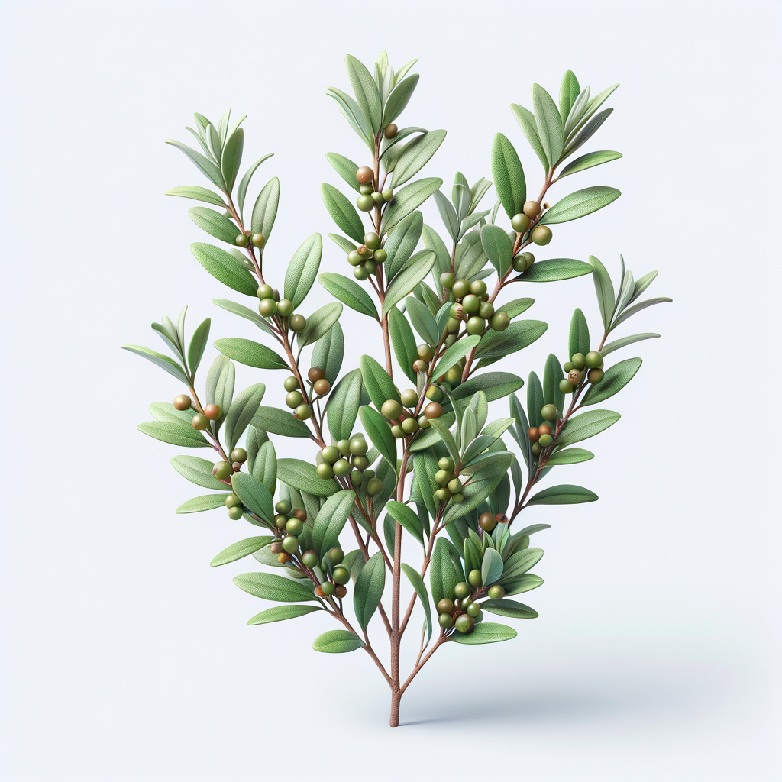
Bayberry – wildlife-friendly, salt-tolerant, great for tough spots.
Bayberry thrives after stump removal because it tolerates wide pH swings, fixes its own nitrogen, and loves loose, disturbed soil. As the old roots decompose, they create airy, organic‑rich conditions Bayberry quickly claims and stabilizes.

Potentilla – long bloom season, compact, hardy in rocky soil.
Potentilla thrives after stump grinding because it loves loose, well‑drained soil, tolerates nutrient swings, and quickly roots into the organic‑rich mix created as old roots decompose—perfect conditions for this tough, sun‑loving shrub.
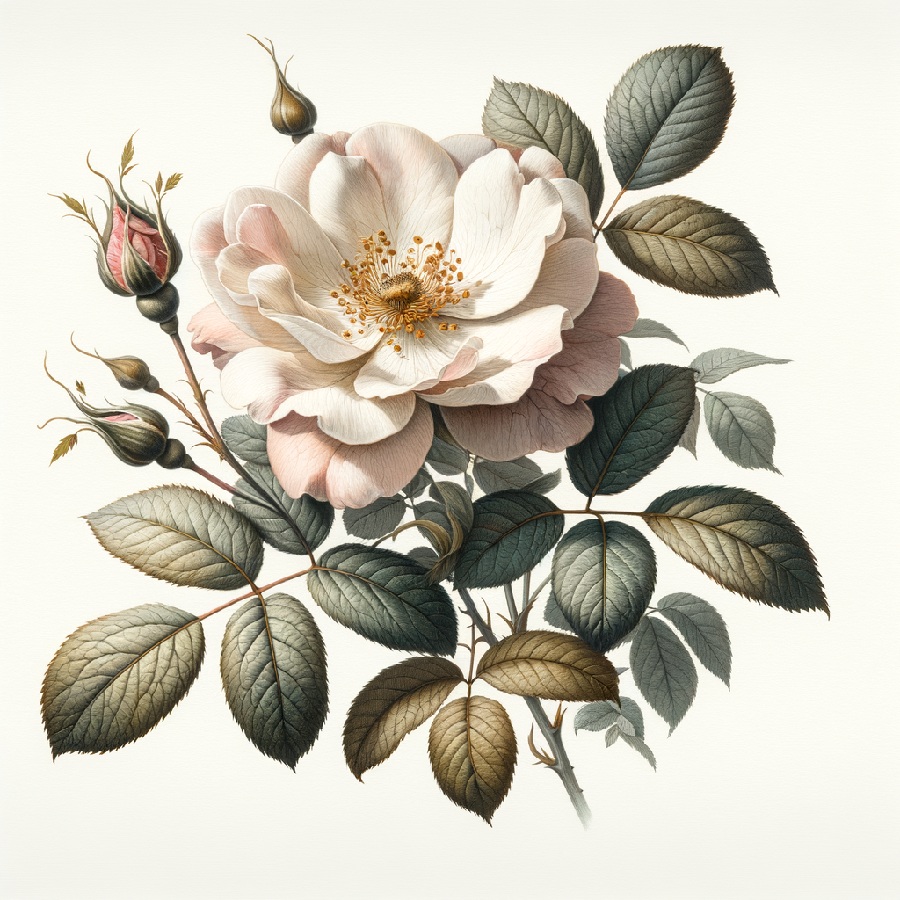
Rugosa Rose – fragrant, disease-resistant, loves sandy soil.
Rugosa Rose roots fast after stump grinding because it loves loose, sandy, disturbed soil. As old roots break down, they add organic matter and airflow—perfect conditions for this hardy, salt‑tolerant shrub to anchor and spread quickly.

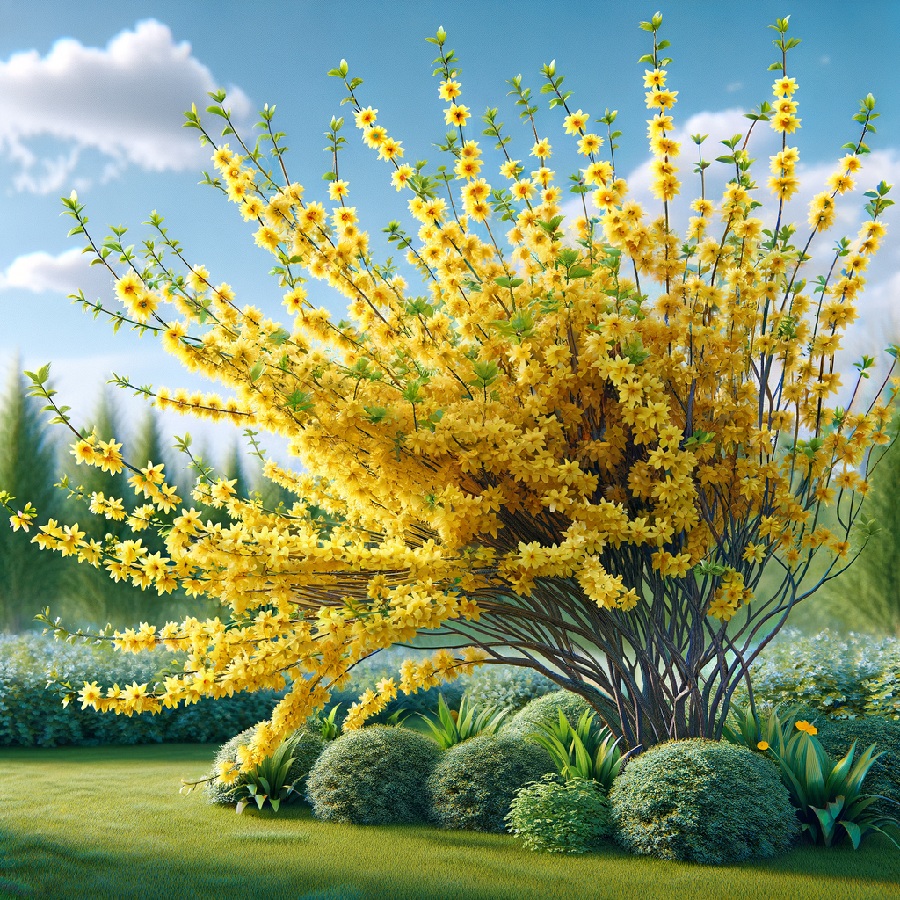
Forsythia – bursts of yellow in spring, grows even in clay.
Forsythia grows well after stump grinding because it tolerates wide pH swings, thrives in loose, disturbed soil, and quickly roots into the organic‑rich mix created as old roots decompose—ideal conditions for this resilient shrub.
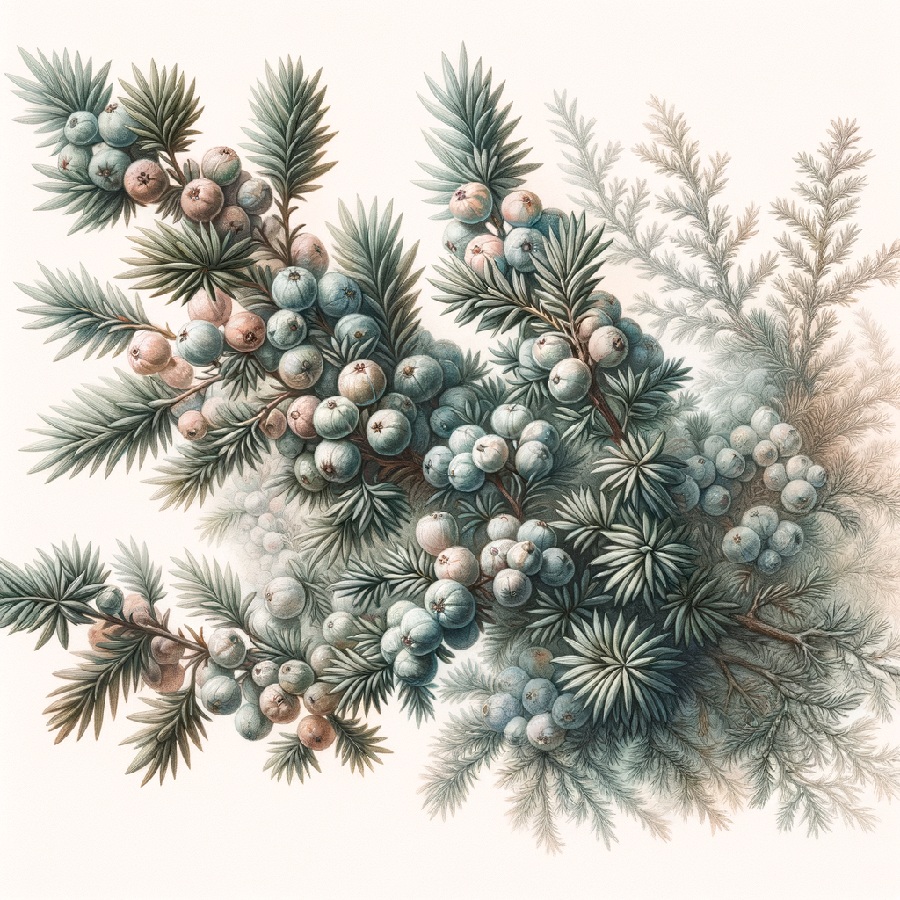
Juniper – evergreen, drought-tolerant, perfect for slopes & erosion control.
Juniper grows well in sawdust‑enriched soil because it thrives in dry, low‑nutrient, well‑drained conditions. Sawdust keeps the soil loose and airy, and juniper’s tough, drought‑tolerant roots adapt easily to the lean environment.