Will grass grow after stump grinding?
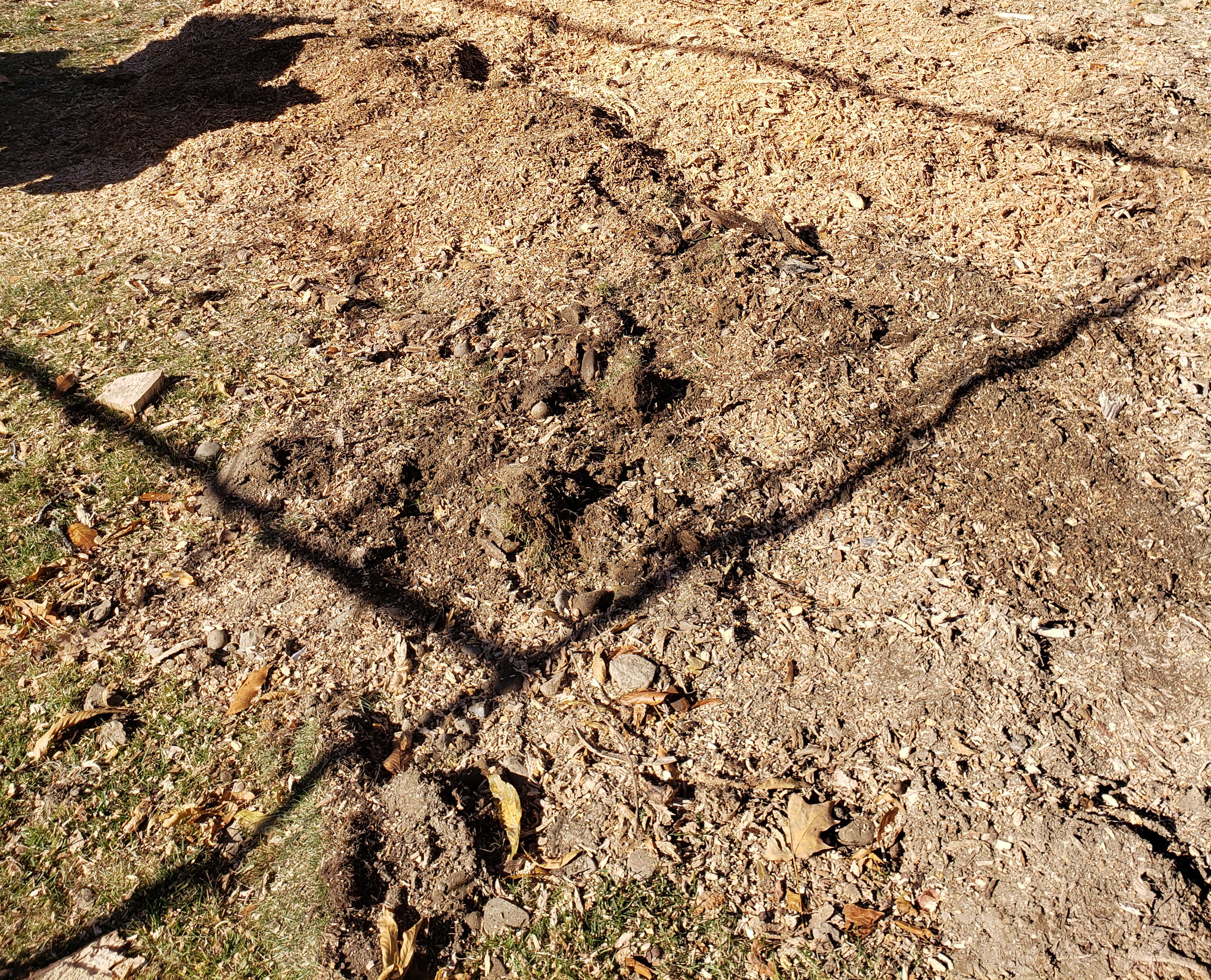
Remove excess mulch.
The thick layer of mulch left after grinding the stumps suppresses the growth of new grass. It blocks sunlight, retains too much moisture, and binds nitrogen during the decomposition process. The roots of the seedlings cannot penetrate the loose woody debris, they do not take root, and the lawn, not receiving enough nutrients from the soil, does not establish itself.
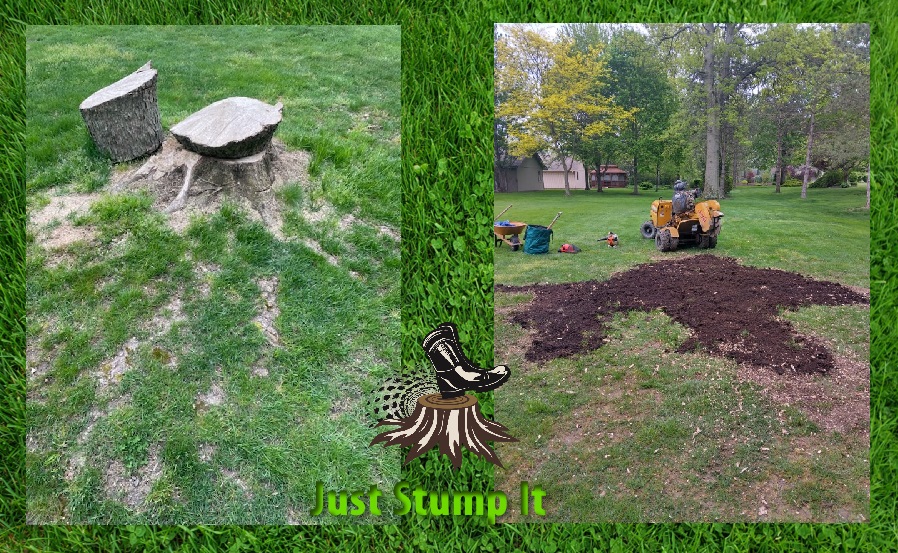
Refresh the top layer of soil.
Add a layer of fresh garden soil to fill the hole. Keep in mind that the soil in this area may settle as the remaining wood chips and roots decompose. At this stage, you can add fertilizer or compost to restore the balance of nutrients.
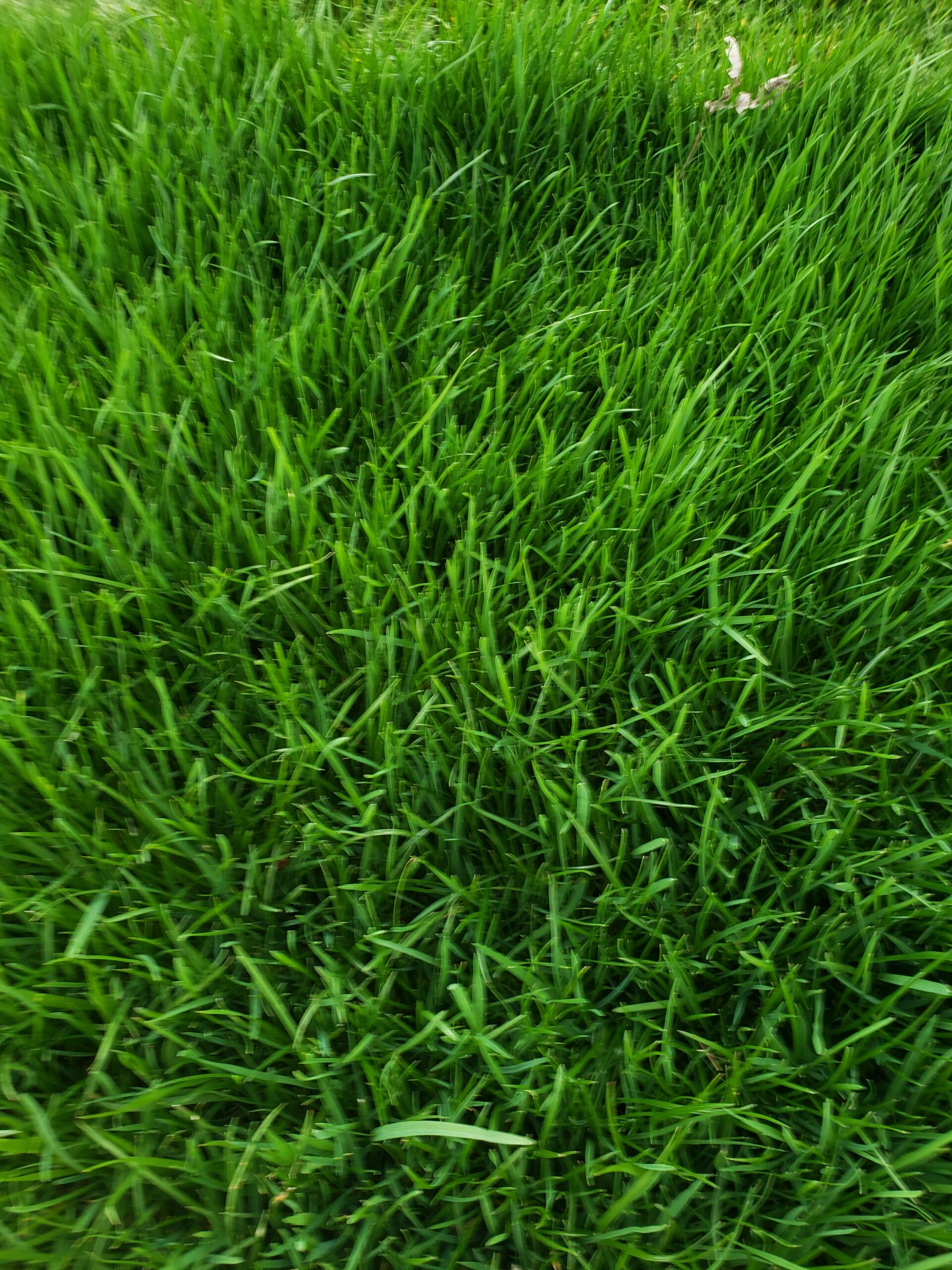
Now you can sow grass or lay ready-made turf. With proper care, the grass will grow strong and healthy.
Maintain constant moisture levels on the surface, protect the area from being trampled, and mow only after the new grass has reached the required height.