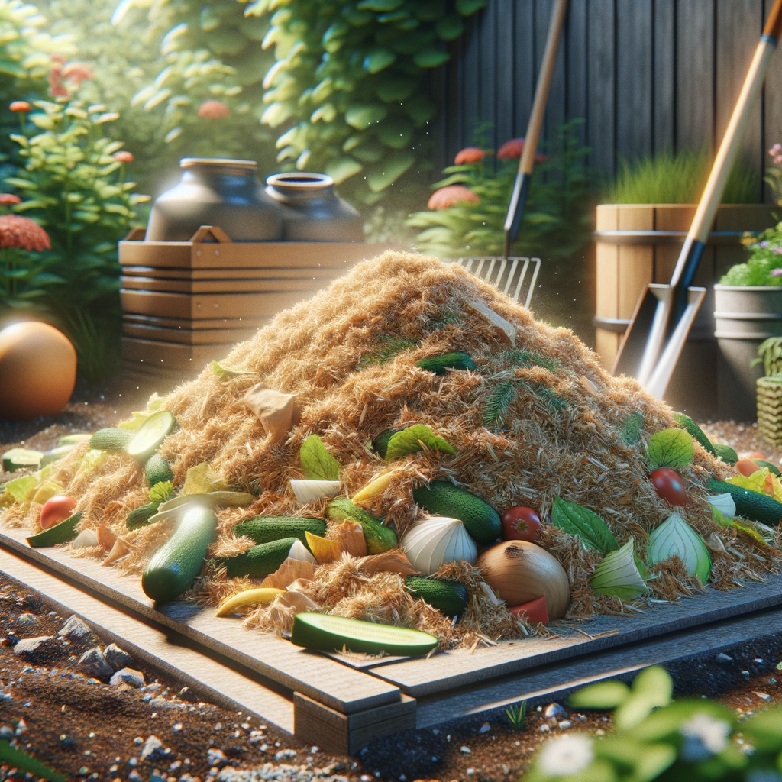
During decomposition, microbial activity generates heat—often reaching 55–70°C (131–158°F)—that destroys harmful fungi, bacteria, and nematodes.
Beyond this thermophilic phase, compost becomes a living shield thanks to beneficial microorganisms.
Species such as *Bacillus subtilis* and *Pseudomonas fluorescens* produce antibiotics and enzymes that suppress pathogens, while *Streptomyces* (actinomycetes) degrade complex organic matter and release antifungal compounds.
Fungi like *Trichoderma* parasitize harmful fungi and stimulate plant immune responses, creating long-term protection.
Together, these microbes outcompete pathogens for nutrients and space, preventing reinfection.