• (216) 532-9138
  • office@juststumpit.com
  • OHIO

Composting mulch after stump grinding as a way to protect against infections
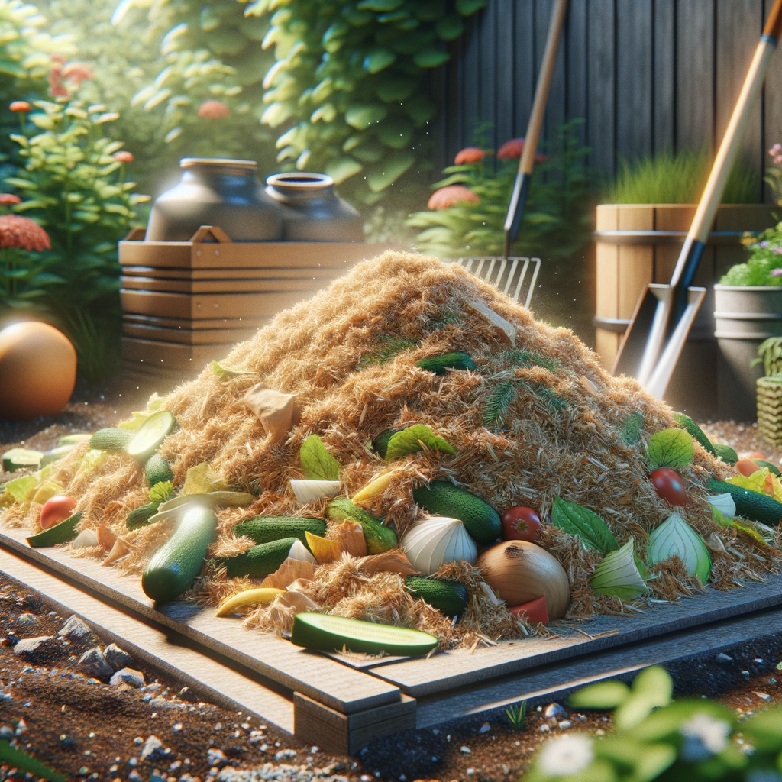
Add stump grindings to your compost pile. – They provide carbon (“brown” material) that balances food scraps and grass clippings (“green” material). – Over time, this creates nutrient-rich compost for your plants.

Composting plant residues is a natural and safe way to eliminate many plant diseases while enriching the soil.

When organic matter such as leaves, stems, and garden waste is placed in a compost pile, it undergoes controlled decomposition.

The heat generated during the composting process—often reaching 55–70°C (131–158°F) —destroys harmful pathogens, fungi, and bacteria that could otherwise spread to healthy plants.

In addition, beneficial microorganisms thrive in compost, outcompeting disease-causing organisms and creating a balanced microbial environment.

By breaking down residues into stable humus, composting prevents infected material from serving as a reservoir for future outbreaks.

The result is a nutrient-rich, disease-free amendment that improves soil structure, fertility, and water retention. Using compost not only recycles garden waste but also reduces reliance on chemical treatments, making it an eco-friendly and sustainable practice.

In short, composting transforms potential sources of infection into a safe, valuable resource for healthier gardens and landscapes. 🌱🌿

Share your gardening wins, lessons, and composting experiences in the comments — your insights might be exactly what someone else needs. Wishing you steady growth, healthy soil, and success in every corner of your garden. 🌿

Leave a Reply

Your email address will not be published. Required fields are marked *

Translate »