• (216) 532-9138
  • office@juststumpit.com
  • OHIO

What to do with mulch after grinding a stump?
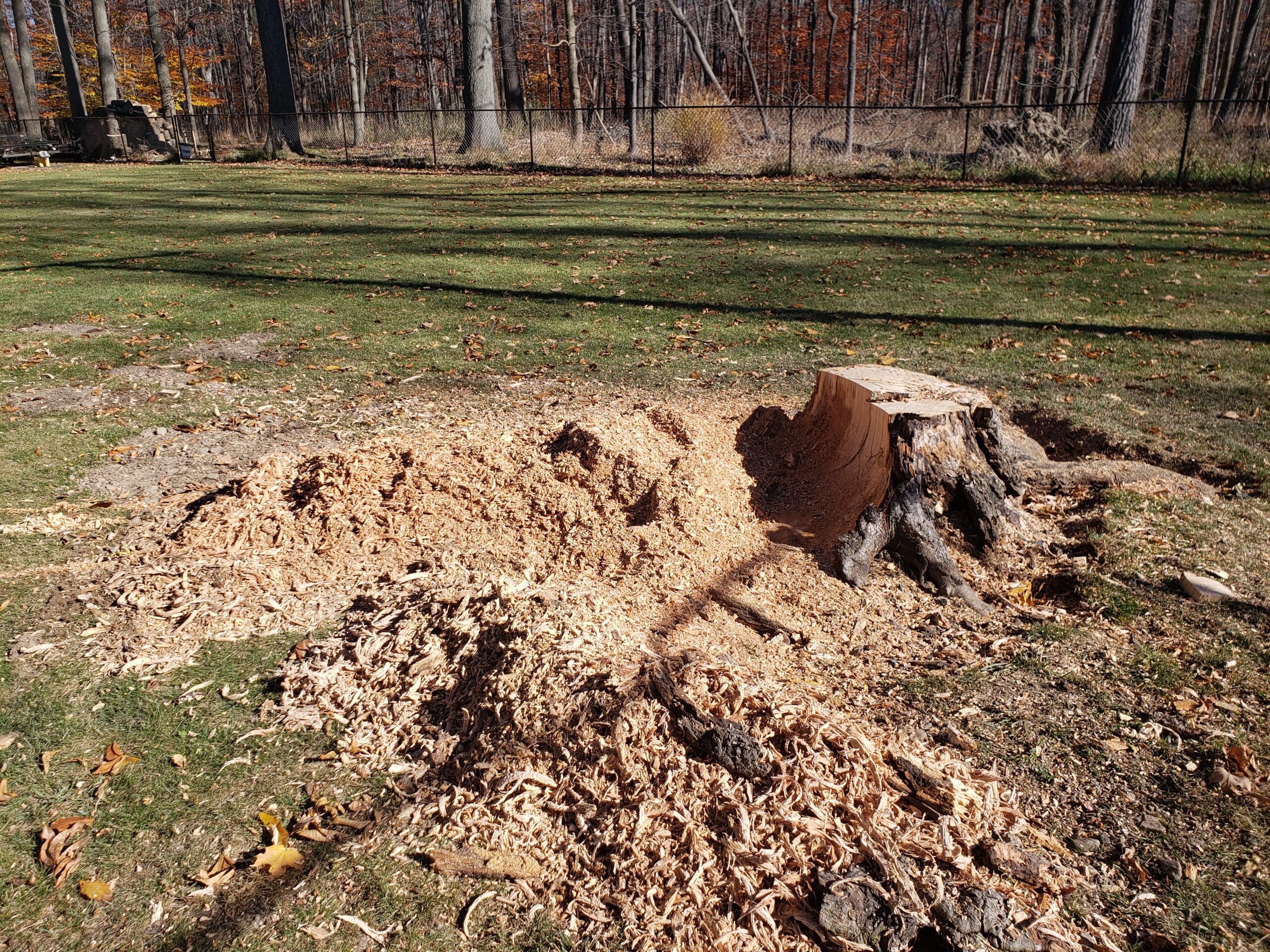
Mulch left after stump grinding doesn’t have to go to waste — it can be reused for soil improvement, landscaping, composting, erosion control, or pathways.
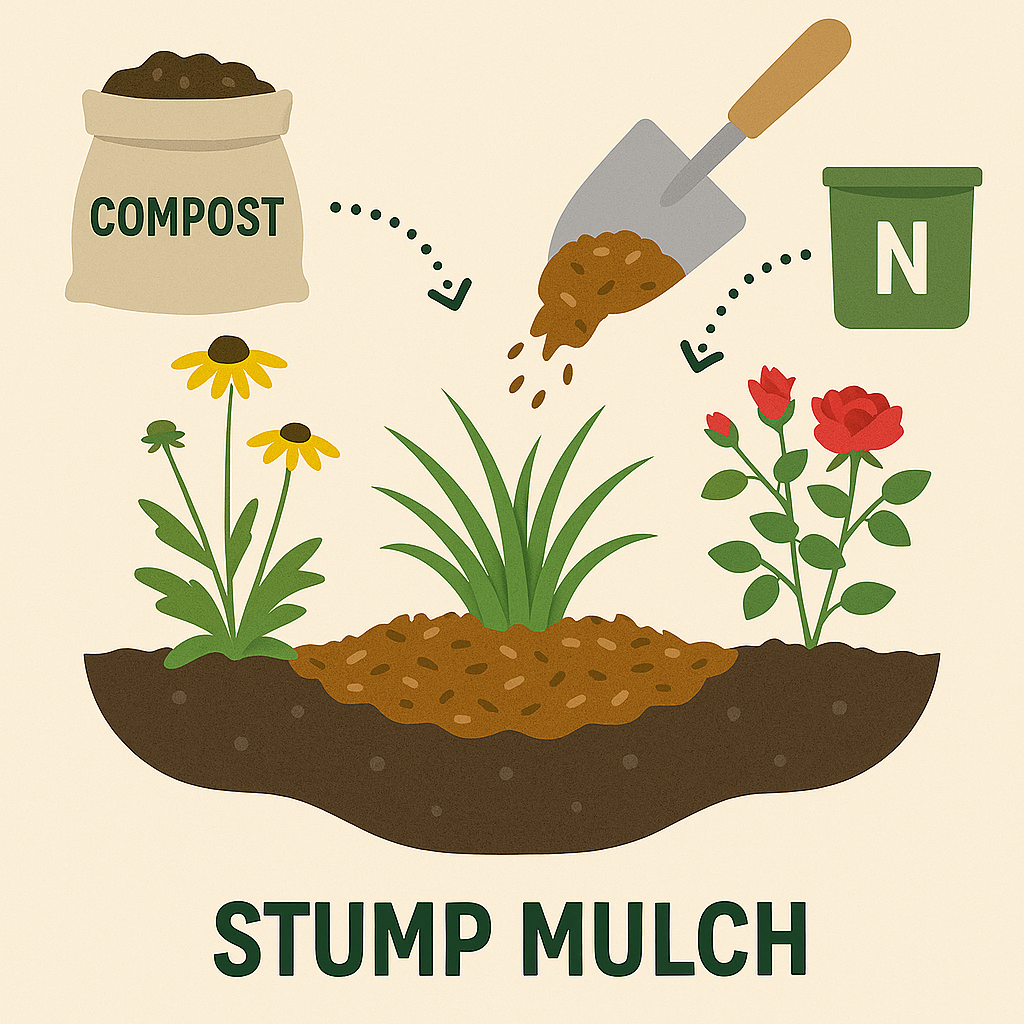
Five Practical Uses for Stump Grinding Mulch

Mulch left after stump grinding doesn’t have to go to waste — it can be reused for soil improvement, landscaping, composting, erosion control, or pathways.

Add some stump mulch to your garden beds to improve soil structure. – It helps retain moisture and adds organic matter as it decomposes. – It's best used after composting or mixing with nitrogen-rich materials to balance nutrients.

Soil Amendment

Add some stump mulch to your garden beds to improve soil structure. It helps retain moisture and adds organic matter as it decomposes. It's best used after composting or mixing with nitrogen-rich materials to balance nutrients.
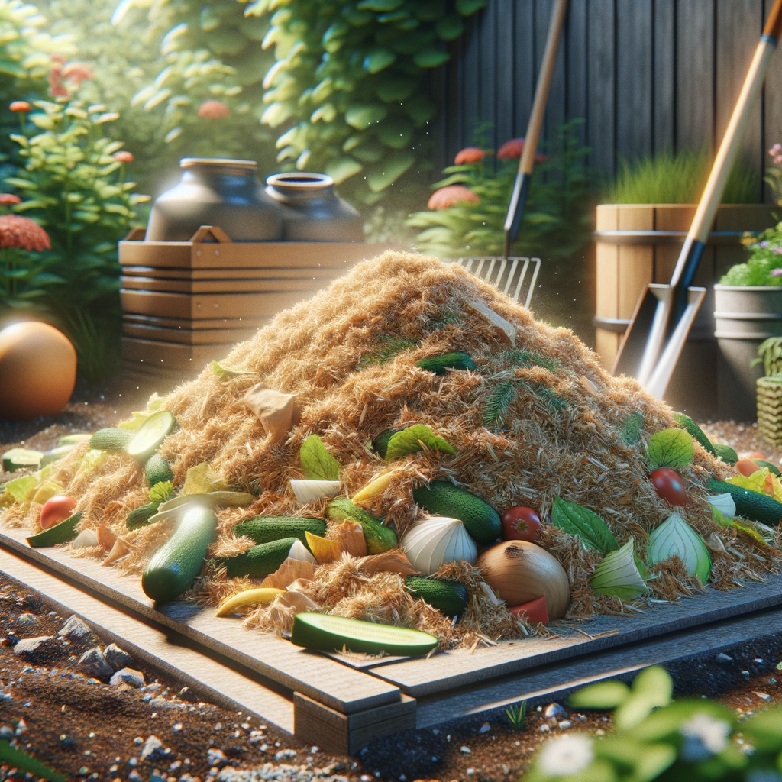
Add stump grindings to your compost pile. – They provide carbon (“brown” material) that balances food scraps and grass clippings (“green” material). – Over time, this creates nutrient-rich compost for your plants.

Composting Material

Add stump grindings to your compost pile. They provide carbon (“brown” material) that balances food scraps and grass clippings (“green” material). Over time, this creates nutrient-rich compost for your plants.
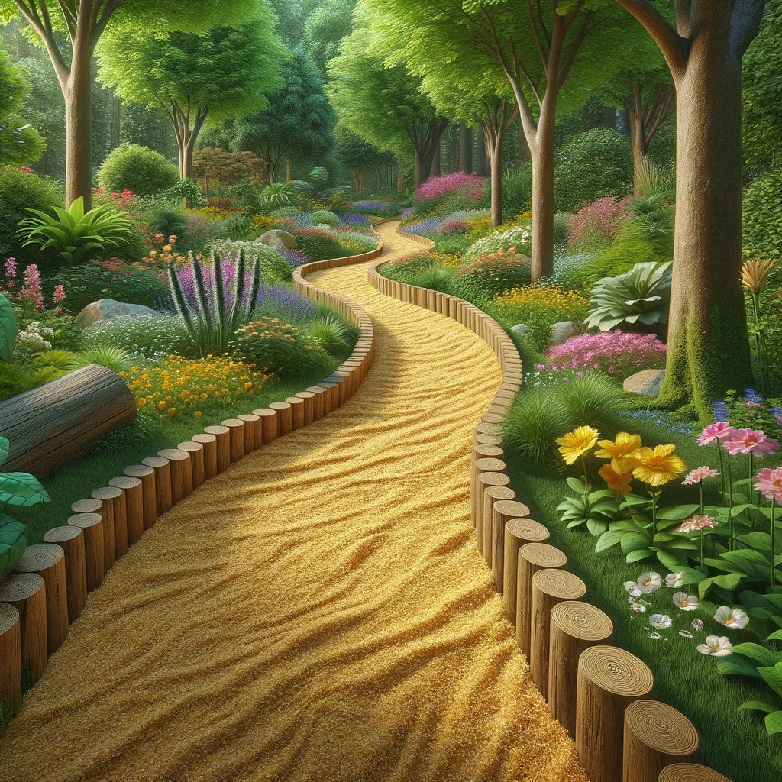
Use stump mulch to create natural-looking garden paths. – It cushions foot traffic, suppresses weeds, and gives a rustic aesthetic. – Works well in informal landscapes or woodland gardens.

Pathways and Trail

Use stump mulch to create natural-looking garden paths. It cushions foot traffic, suppresses weeds, and gives a rustic aesthetic. Works well in informal landscapes or woodland gardens.
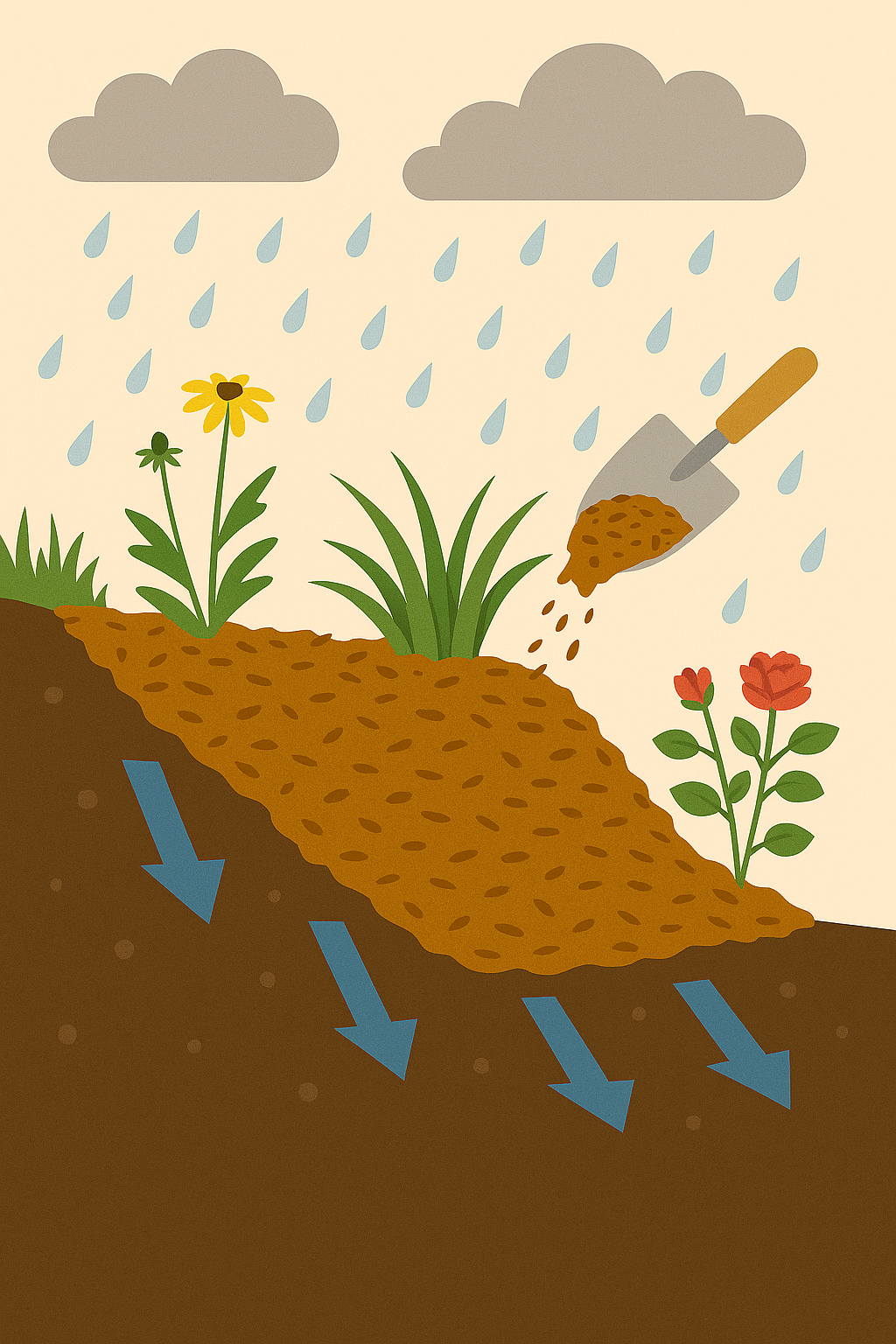
Erosion Control

Spread mulch on slopes or bare soil to reduce runoff and soil erosion. – The wood chips act as a protective layer, keeping soil in place during heavy rains.
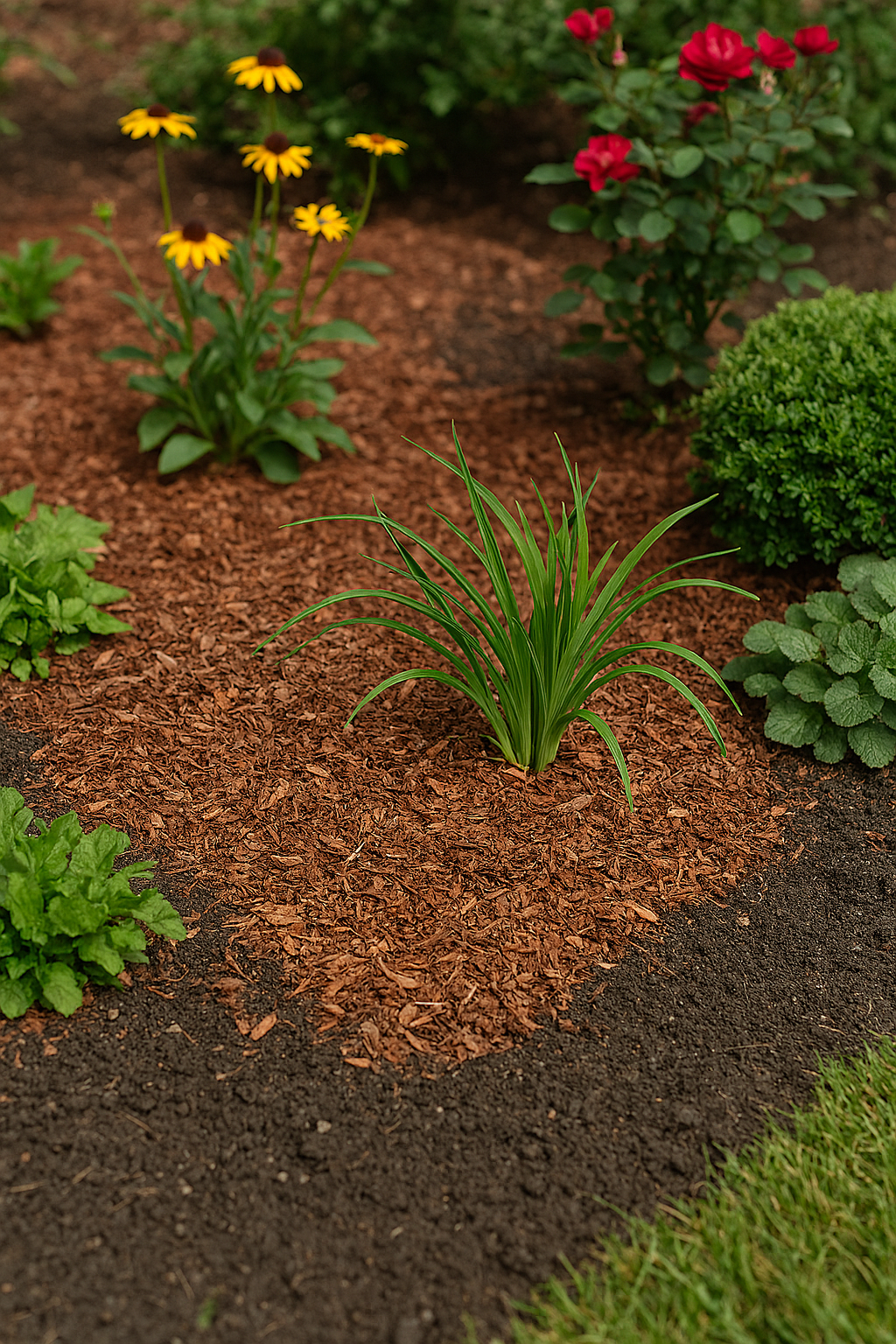
Use stump mulch around flower beds, shrubs, or trees as a top layer. – It creates a neat, finished look while insulating roots and conserving water. – Just be cautious: fresh grindings may be acidic, so let them age before applying directly.

Decorative Landscaping

Use stump mulch around flower beds, shrubs, or trees as a top layer. It creates a neat, finished look while insulating roots and conserving water. Just be cautious: fresh grindings may be acidic, so let them age before applying directly.

Things to Keep in Mind

Fresh stump mulch may contain sawdust and be acidic, so composting or aging it first is recommended.

Avoid piling mulch against tree trunks or foundations, as it can trap moisture and attract pests.
Mix with nitrogen-rich materials (like grass clippings or manure) to prevent nutrient lock-up in soil.

We’d love to hear how you use mulch in your yard or garden! Drop your favorite methods in the comments — whether it’s for planting, erosion control, or something creative. Wishing you great success in all your landscaping adventures!

Leave a Reply

Your email address will not be published. Required fields are marked *

Translate »